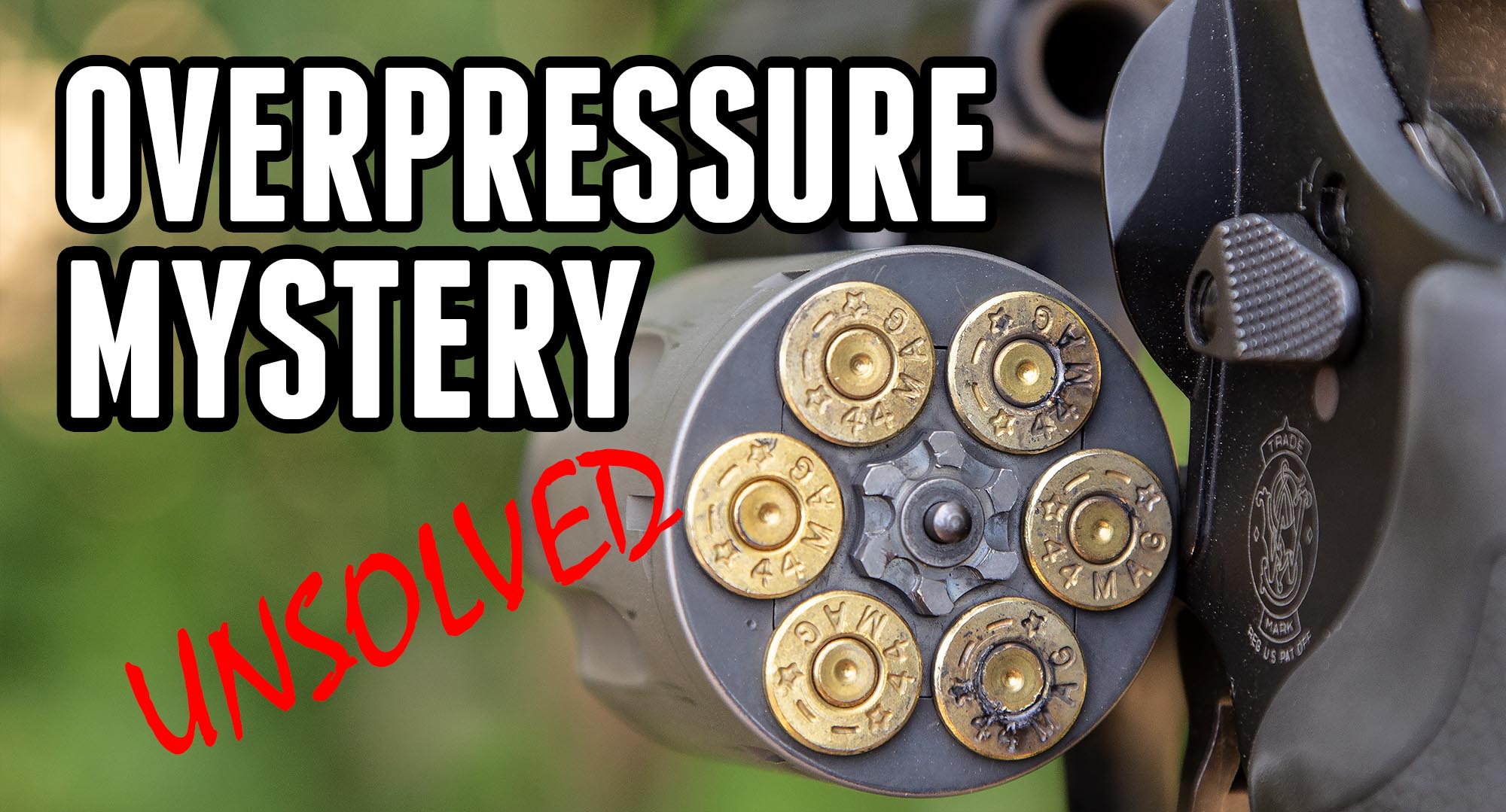
It’s no secret it’s possible to run an oversized caliber brake on your firearm. The question remains: should you? In this video, we will explore what happens! Disclaimer Ultimate Reloader LLC / Making with Metal Disclaimer: (by reading this article and/or watching video content you accept these terms). The content on this website (including videos, […]
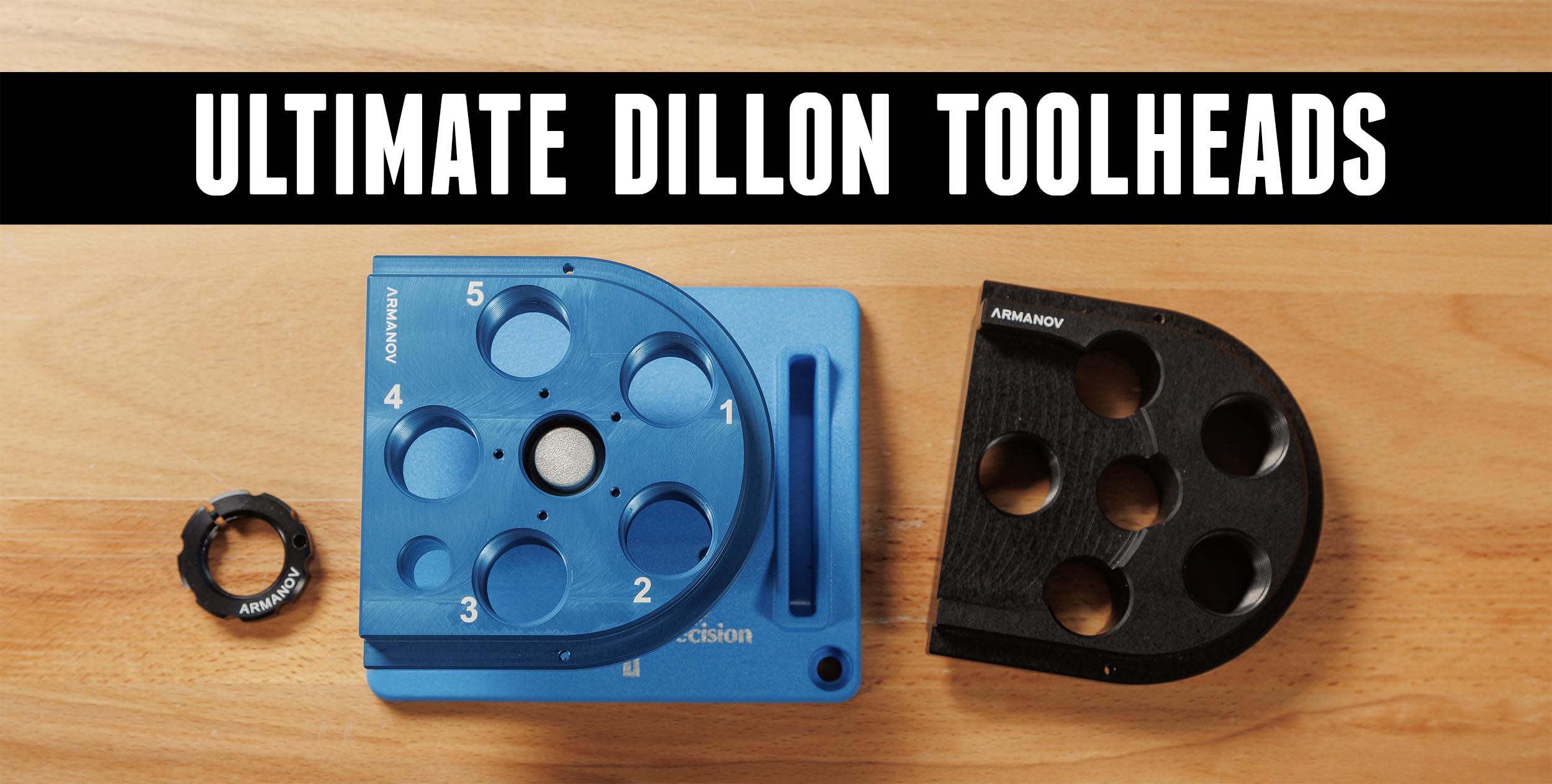
Ultimate Dillon Toolheads: Zero Play, Free Float & More!
We’ve previously shown a number of Armanov upgrades for Dillon presses including the RL1100 quick change toolhead. This time, we’re looking at all of Armanov’s upgraded toolheads for Dillon presses and how their free floating lock rings work in tandem. Disclaimer Ultimate Reloader LLC / Making with Metal Disclaimer: (by reading this article and/or watching […]
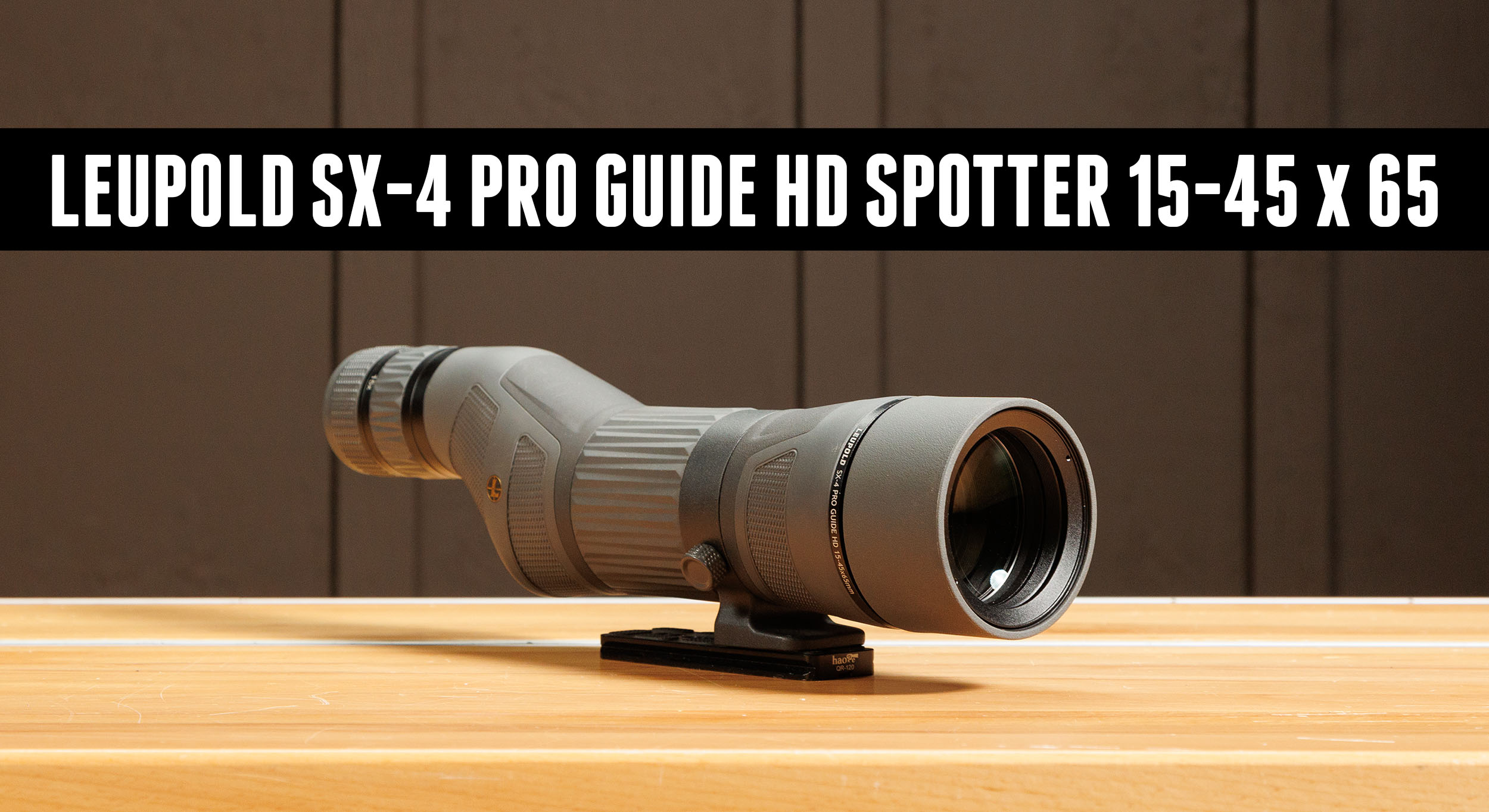
Leupold SX-4 Pro Guide HD Spotting Scope
We’ve been having a lot of fun with the Longshot Hawk on Leupold’s SX-4 Pro Guide HD spotting scope. This time we’re taking a closer look at the optic! Disclaimer Ultimate Reloader LLC / Making with Metal Disclaimer: (by reading this article and/or watching video content you accept these terms). The content on this website […]

TESTED: Longshot Hawk Spotting Scope Camera
Rather than a downrange camera system, today we’re looking at the Longshot Hawk, which attaches directly to your spotting scope. Disclaimer Ultimate Reloader LLC / Making with Metal Disclaimer: (by reading this article and/or watching video content you accept these terms). The content on this website (including videos, articles, ammunition reloading data, technical articles, gunsmithing […]
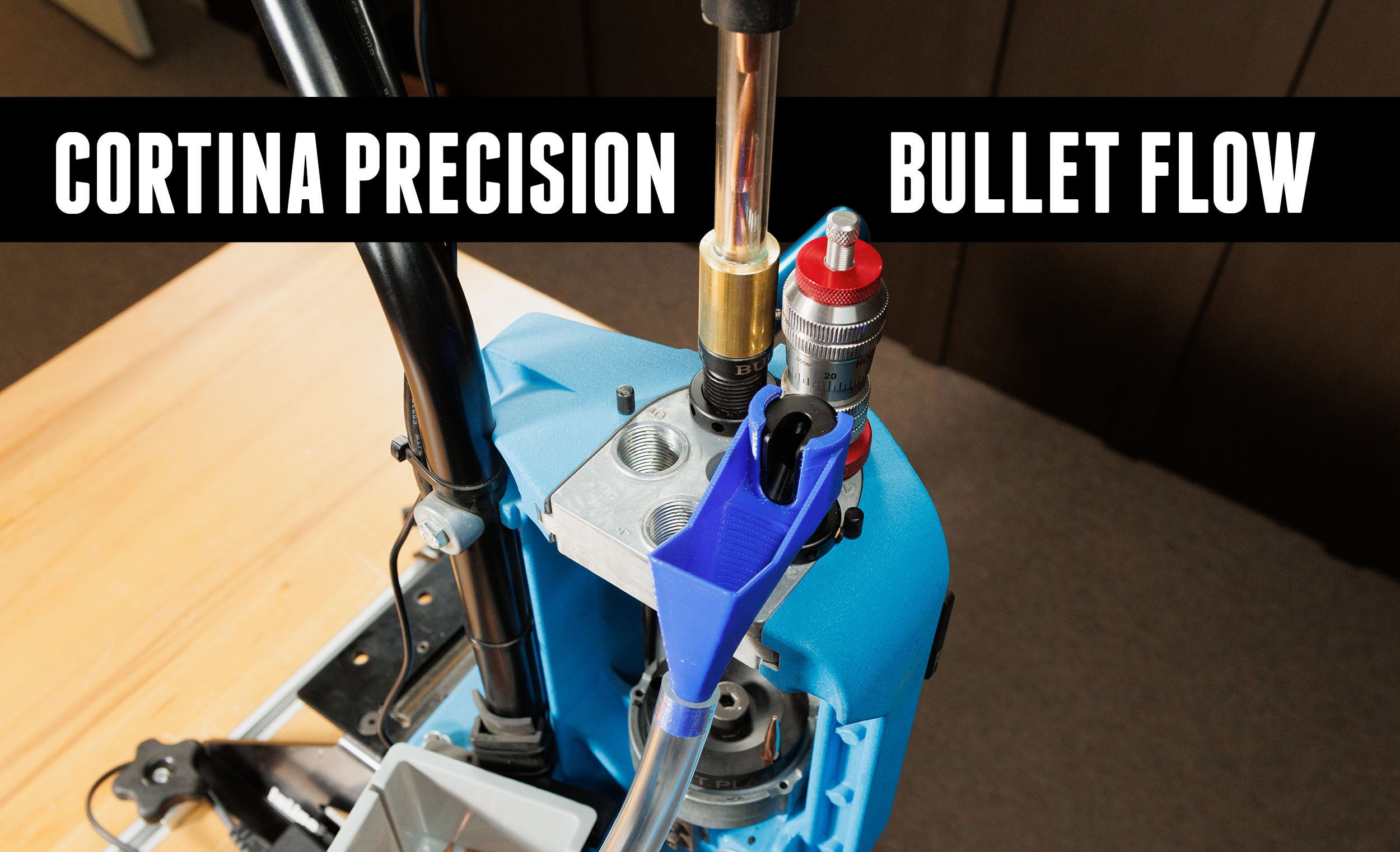
Cortina Precision Bullet Flow System
The Cortina Precision Bullet Flow System is designed to expedite bullet tip uniforming for more consistent BC’s bullet to bullet on a progressive press. Disclaimer Ultimate Reloader LLC / Making with Metal Disclaimer: (by reading this article and/or watching video content you accept these terms). The content on this website (including videos, articles, ammunition reloading […]

Flashbangs from Caldwell! (Awesome Target Hit Indicators)
A huge part of shooting steel is the resulting “ping.” Sometimes it’s hard to hear, especially when the targets are far away. Caldwell’s Flash Bang target hit indicators solve this problem, providing visual feedback for the shooter, spotter, and any spectators. Disclaimer Ultimate Reloader LLC / Making with Metal Disclaimer: (by reading this article and/or […]

Paul Harrell Fundraiser – Please Help Paul’s Family
Hello all, as many of you may have heard, Paul Harrell‘s health is not doing well, he’s been battling cancer in the recent months, and things aren’t getting any better. This article will outline some ways that you can help Paul and his family. T-Shirt Fundraiser From the fundraiser website: Everything I need to survive […]
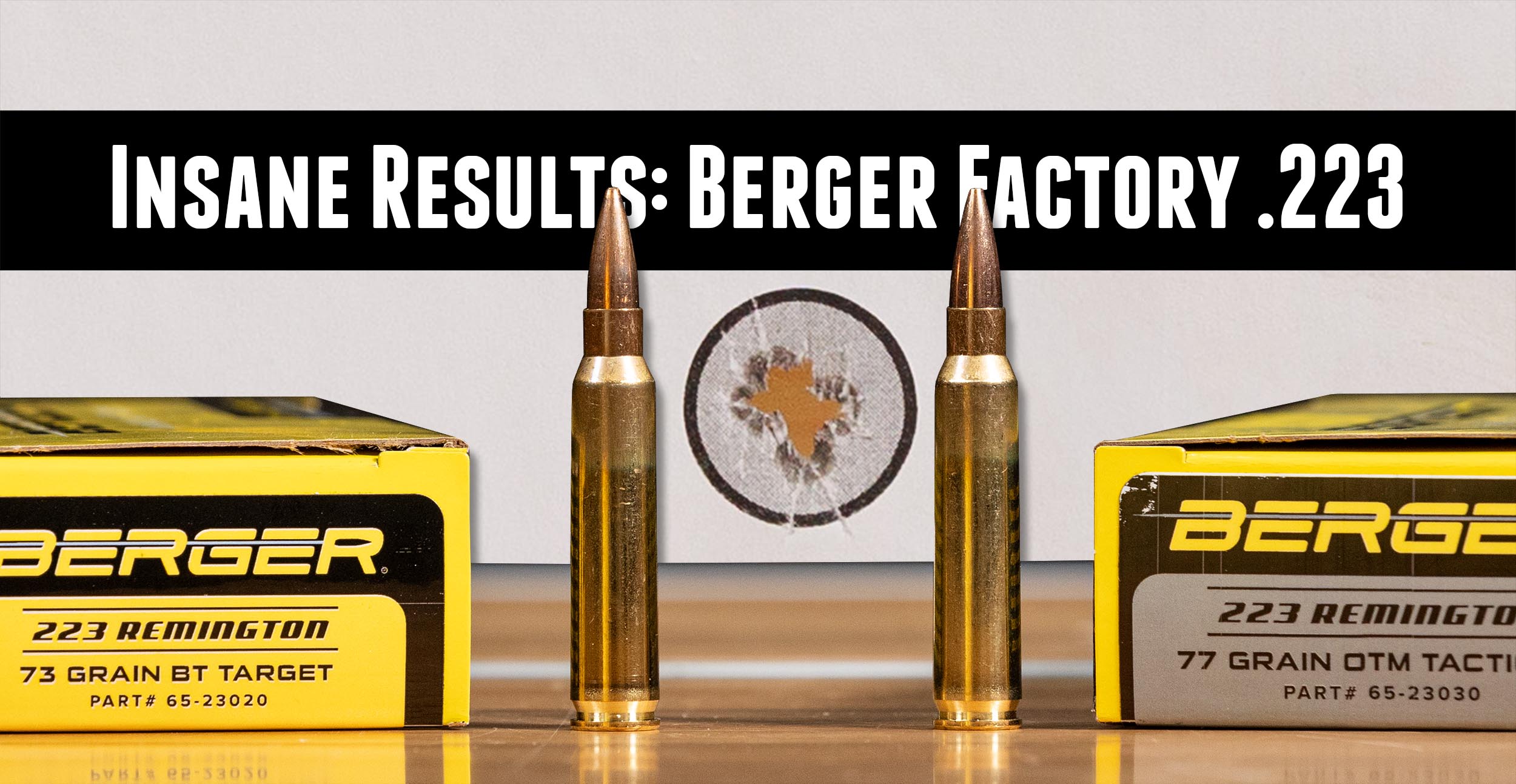
Berger Factory .223 Ammo Compared!
We’ve previously recreated Berger’s 77 grain OTM Tactical load and had great results with our .223 trainer. This time we decided to directly compare Berger’s two .223 factory loads: 77 grain OTM Tactical and 73 Grain BT Target. Disclaimer Ultimate Reloader LLC / Making with Metal Disclaimer: (by reading this article and/or watching video content […]

SHOT Show 2024: Hornady History with Steve Hornady
Hornady is celebrating 75 years in 2024. I took some time to talk to Steve Hornady at SHOT Show 2024 and hear about some of his experiences in the family business. Disclaimer Ultimate Reloader LLC / Making with Metal Disclaimer: (by reading this article and/or watching video content you accept these terms). The content on […]
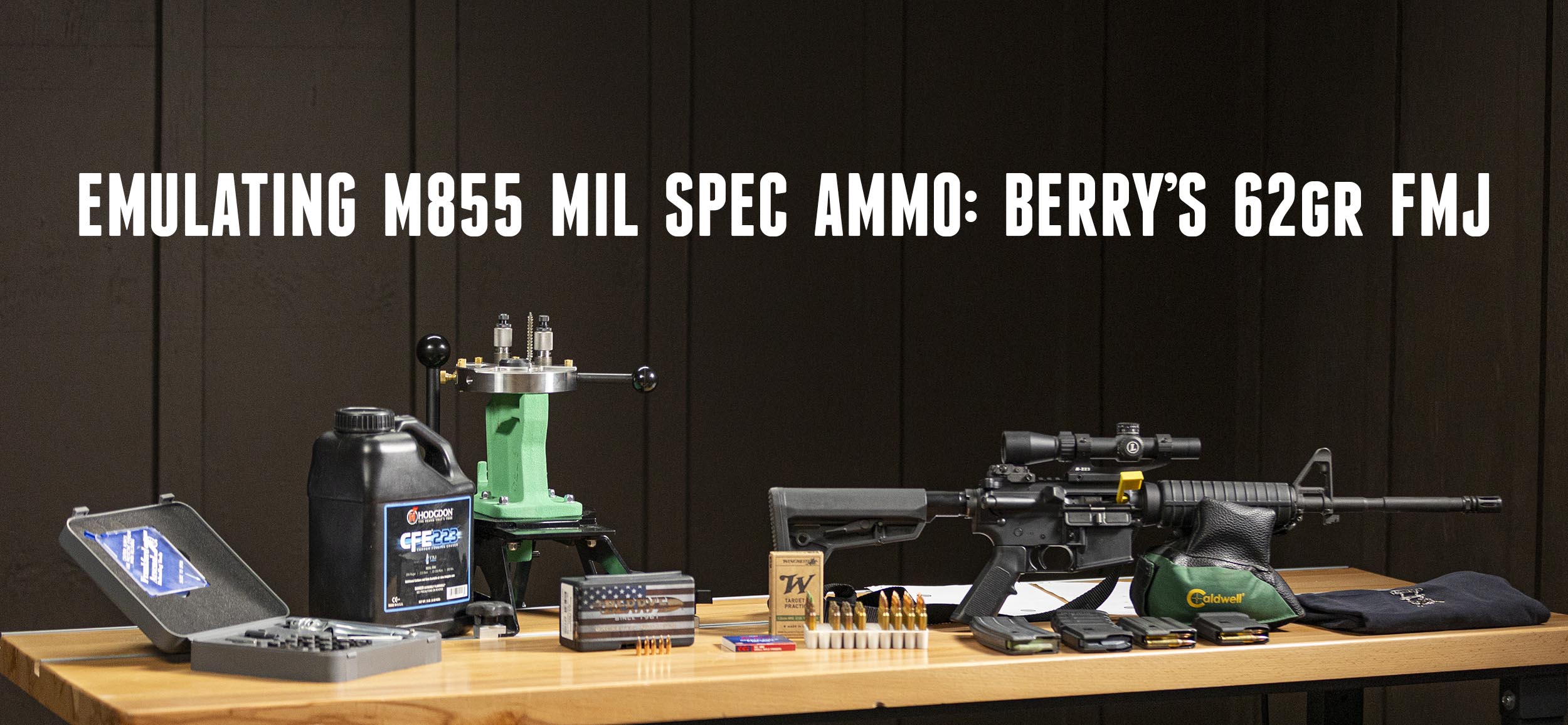
Economical .223 Loads: Berry’s 62 grain FMJ
I’ve spent many many hours with the AR-15 through decades of military and law enforcement experience. Disclaimer Ultimate Reloader LLC / Making with Metal Disclaimer: (by reading this article and/or watching video content you accept these terms). The content on this website (including videos, articles, ammunition reloading data, technical articles, gunsmithing and other information) is […]

New 22 ARC ELR Config with the Ultradyne UD5 Chassis
We’ve shown the UD Chassis in its shortest configuration with .308 Shorty in the UD3 and in its longest form — the UD7. Now we’re taking a look at the last variation of the UD chassis: the UD5. Disclaimer Ultimate Reloader LLC / Making with Metal Disclaimer: (by reading this article and/or watching video content […]
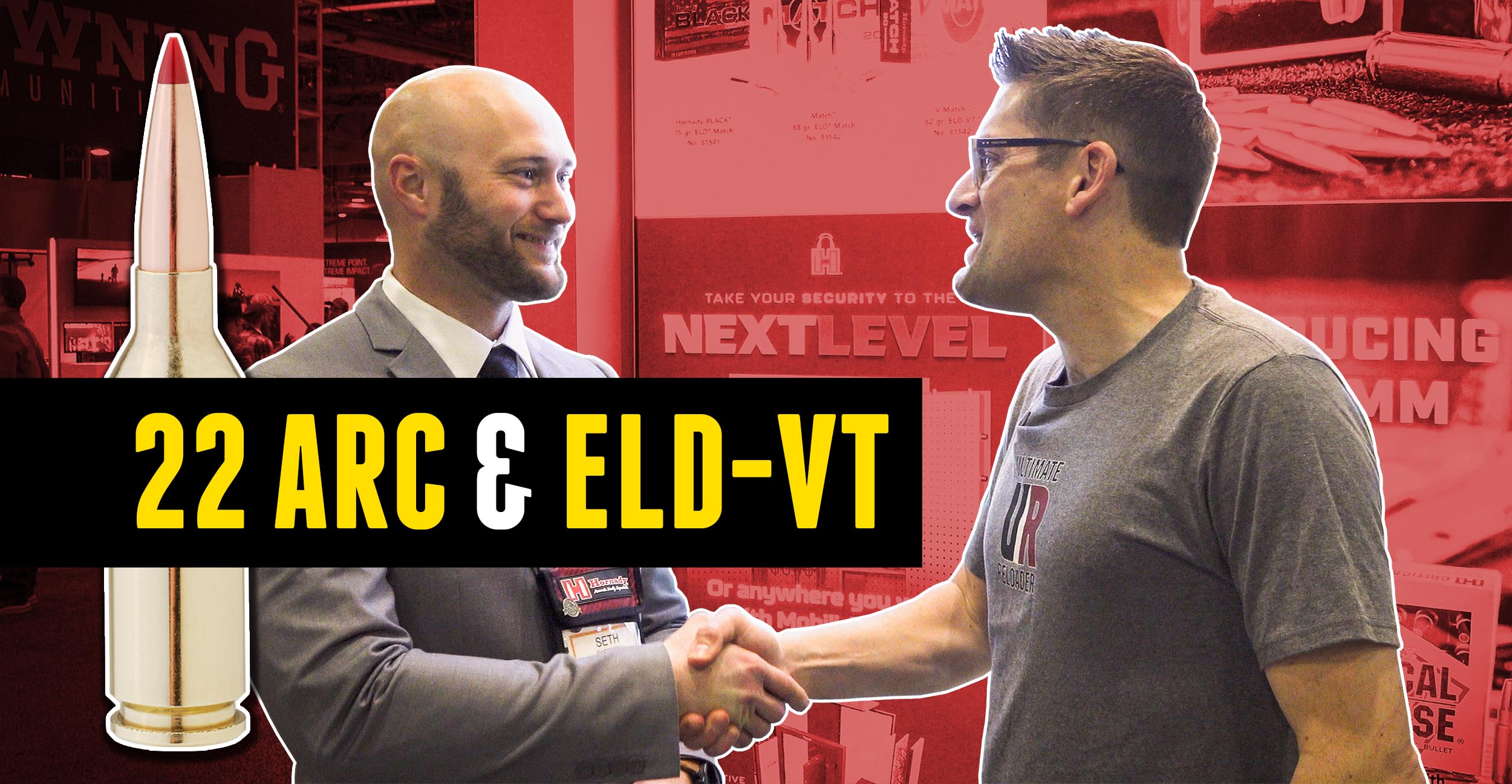
SHOT Show 2024: Hornady’s New 22 ARC and ELD-VT Bullets
I recently completed my 22 ARC Build and showed progressive reloading for the cartridge on the Dillon XL-750. I took some time at the 2024 SHOT Show to speak with Hornady’s Seth Swerczek about Hornady’s 22 ARC and new ELD-VT bullet. Disclaimer Ultimate Reloader LLC / Making with Metal Disclaimer: (by reading this article and/or […]

From Zero to Craftsman: Hear from CST students about their journey inside the school
We’ve shown a tour of the Colorado School of Trades as well as covered their programs. This time, I’m talking to the students to get their first-hand experiences! Disclaimer Ultimate Reloader LLC / Making with Metal Disclaimer: (by reading this article and/or watching video content you accept these terms). The content on this website (including […]

SHOT Show 2024: Bergara’s New Rifles
This year at SHOT Show we met with Bergara to talk about their four new rifles! Disclaimer Ultimate Reloader LLC / Making with Metal Disclaimer: (by reading this article and/or watching video content you accept these terms). The content on this website (including videos, articles, ammunition reloading data, technical articles, gunsmithing and other information) is […]
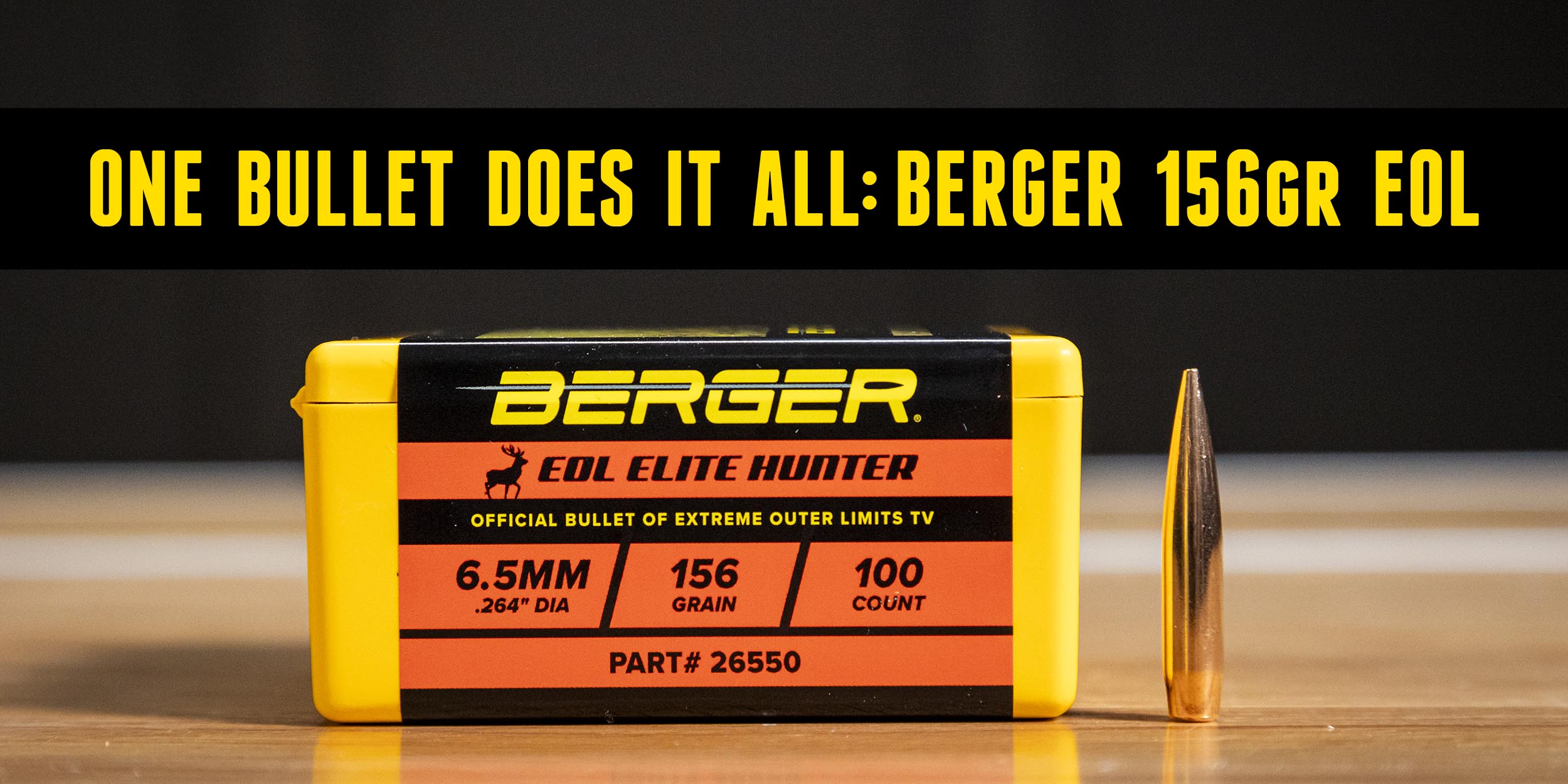
One Bullet Does it All: Berger 156 Grain 6.5mm EOL
I’ve done more testing and field work with Berger’s 6.5mm 156 grain Extreme Outer Limits (EOL) Elite Hunter rifle bullet than any other rifle bullet. Today, I’m revisiting those experiences. Disclaimer Ultimate Reloader LLC / Making with Metal Disclaimer: (by reading this article and/or watching video content you accept these terms). The content on this […]
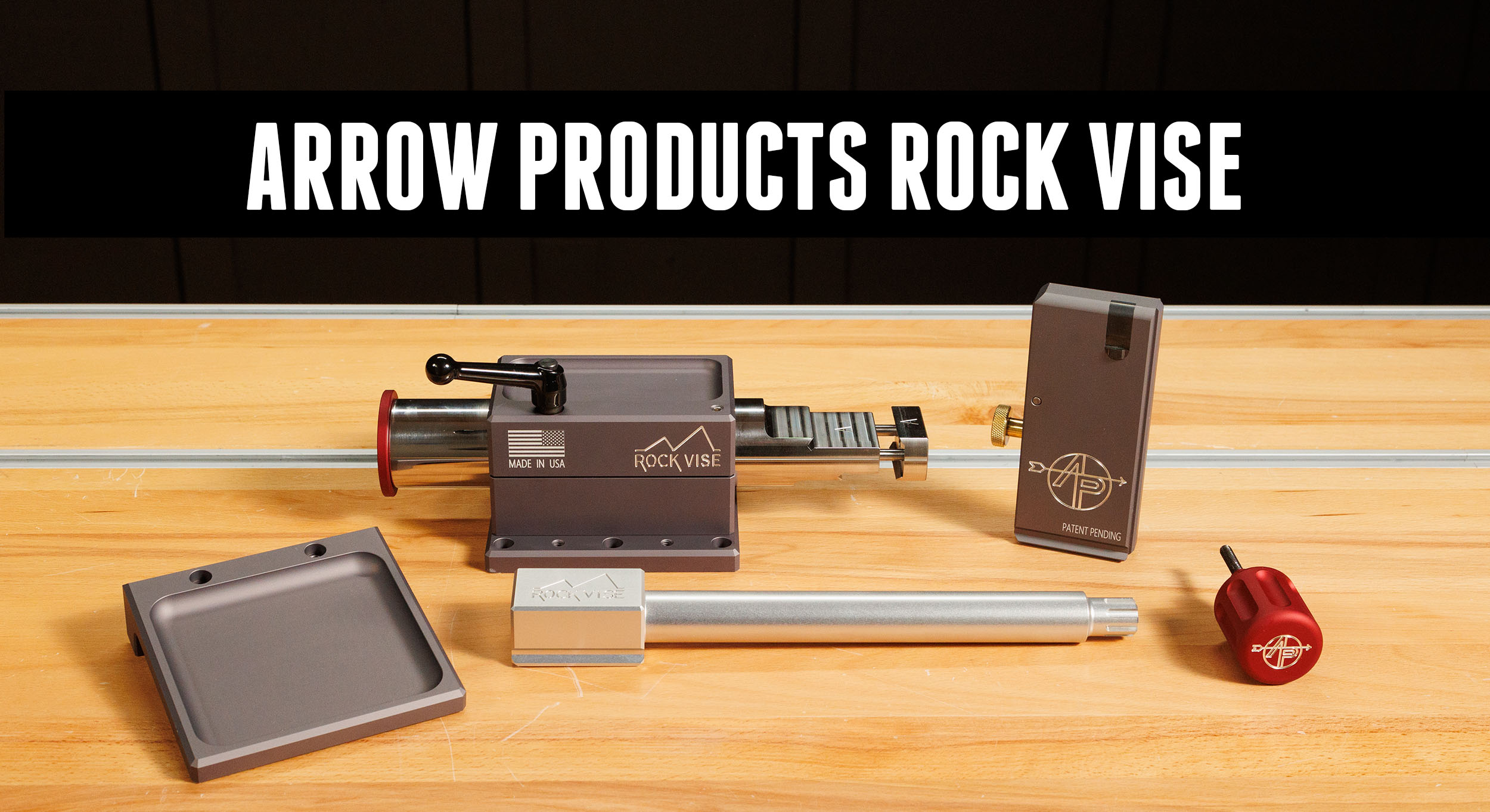
Arrow Products Rock Vise
Made in the USA is the new Arrow Products Rock Vise, a compact tool designed for gunsmiths! Disclaimer Ultimate Reloader LLC / Making with Metal Disclaimer: (by reading this article and/or watching video content you accept these terms). The content on this website (including videos, articles, ammunition reloading data, technical articles, gunsmithing and other information) […]

Part 3: 7 PRCW Bedding and Break In
Ever since I met Erik Cortina, I’ve been curious about F-Class. It’s finally time to shoot my very own 7 PRCW! Disclaimer Ultimate Reloader LLC / Making with Metal Disclaimer: (by reading this article and/or watching video content you accept these terms). The content on this website (including videos, articles, ammunition reloading data, technical articles, […]
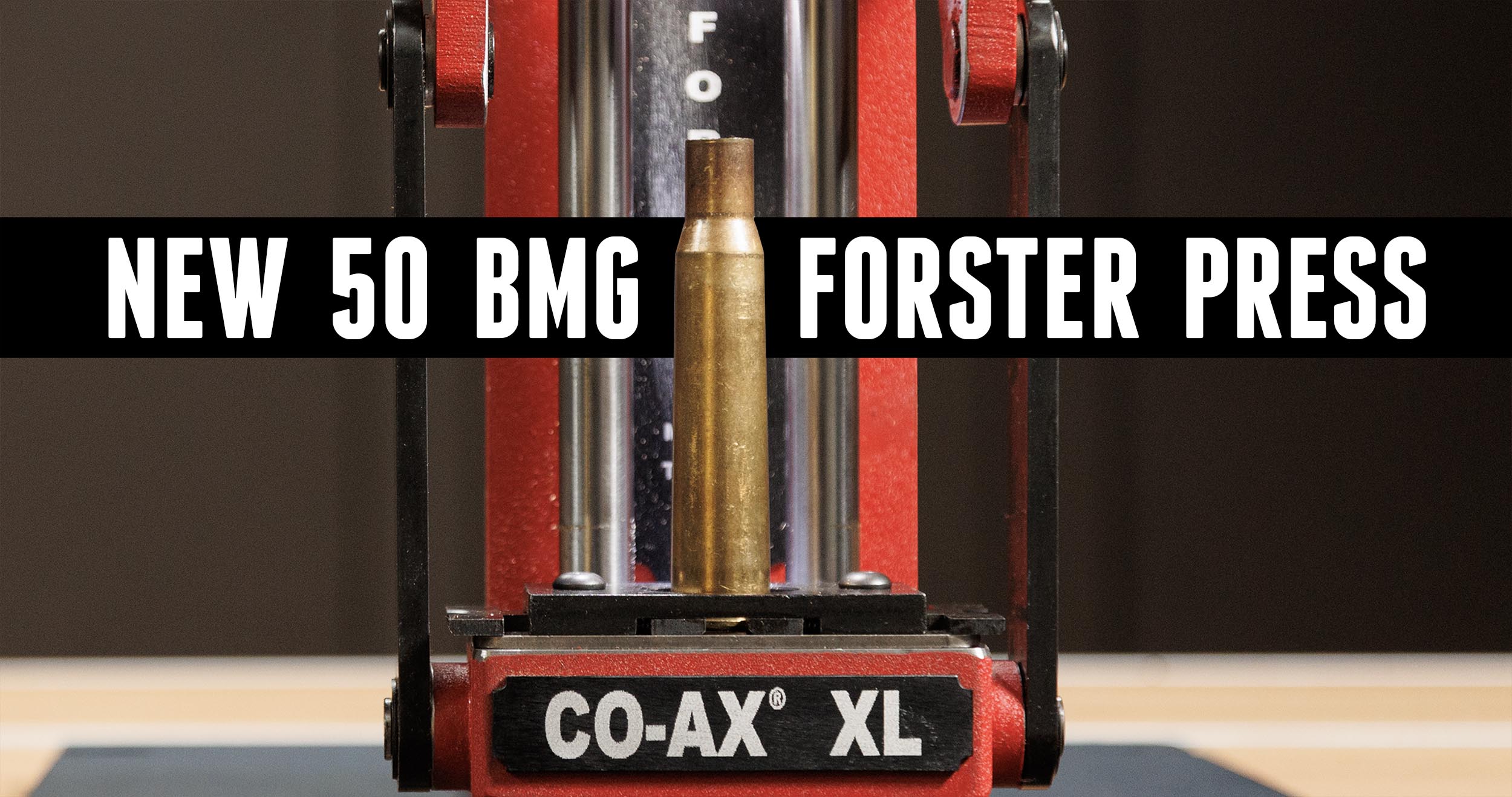
Forster Co-Ax XL
We first saw the Forster Co-Ax XL at SHOT Show 2023. Now we’re getting hands-on! Disclaimer Ultimate Reloader LLC / Making with Metal Disclaimer: (by reading this article and/or watching video content you accept these terms). The content on this website (including videos, articles, ammunition reloading data, technical articles, gunsmithing and other information) is for […]
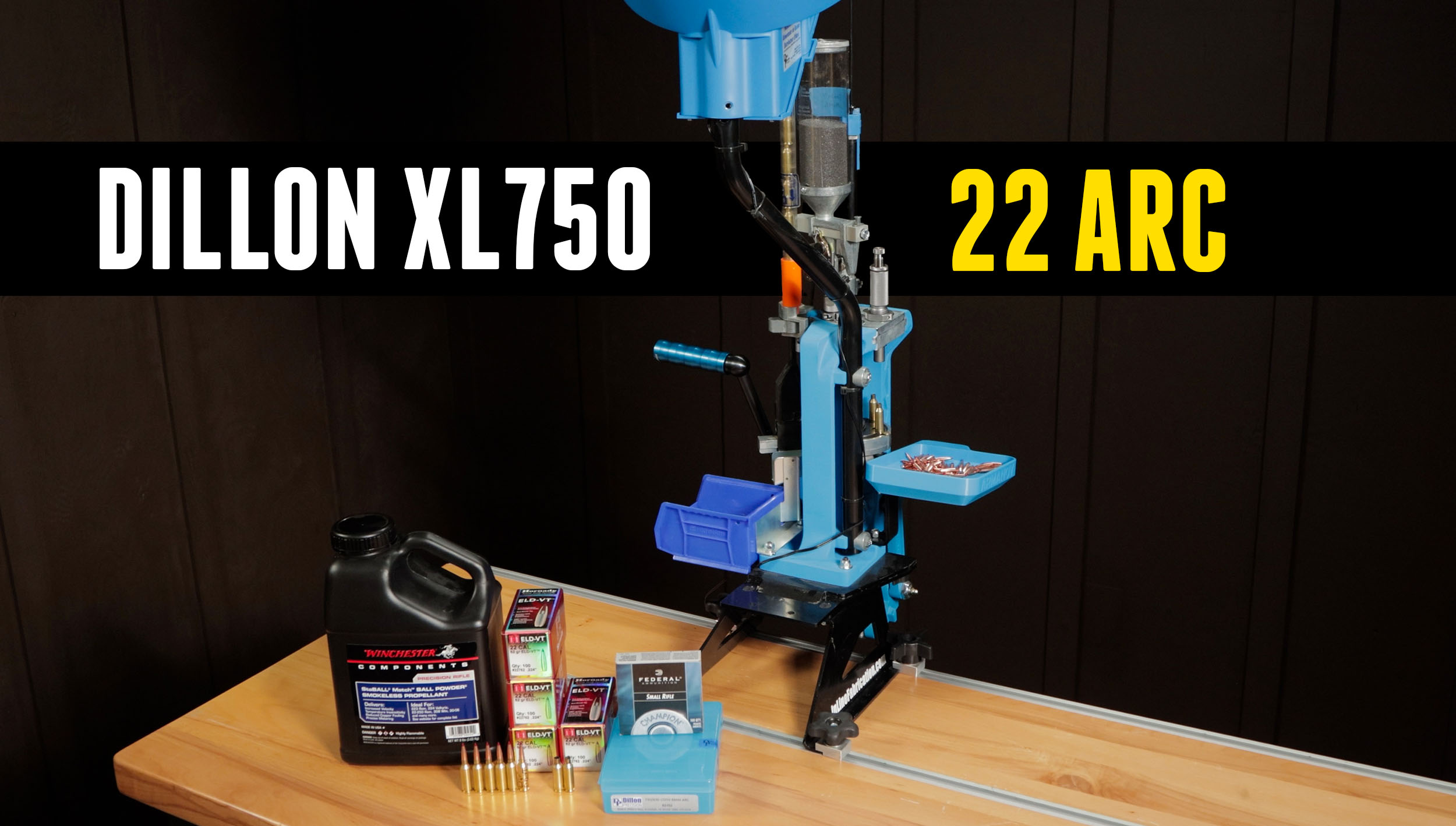
Bulk Loading 22 ARC on the Dillon XL-750
Hornady just released the 22 ARC and I’ve completed my first rifle build for it! Now it’s time to work up a load on the Dillon XL-750. Disclaimer Ultimate Reloader LLC / Making with Metal Disclaimer: (by reading this article and/or watching video content you accept these terms). The content on this website (including videos, […]
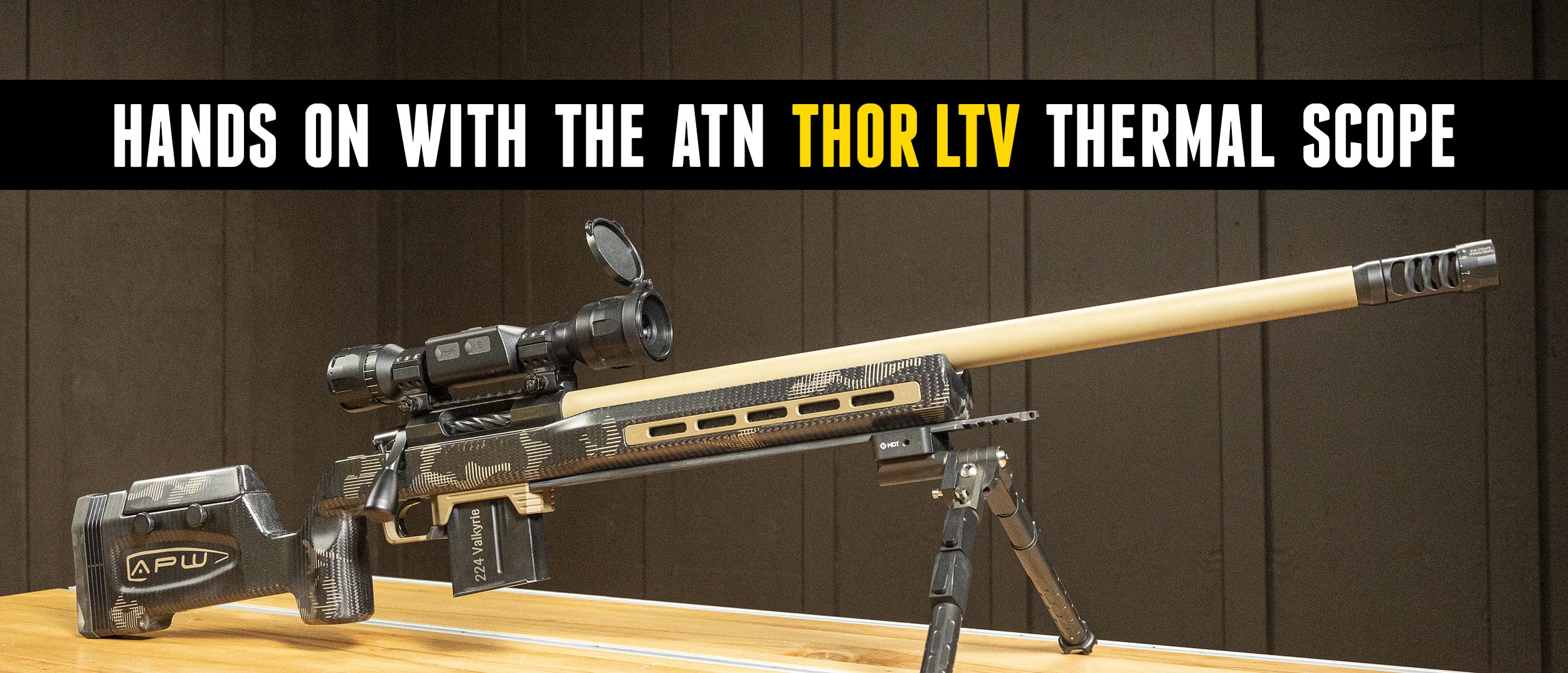
ATN ThOR LTV 320 4-12x
After working with the ATN X-Sight 4K Pro and the ATN X-Sight 5 5-25x, we’re taking a look at ATN’s ThOR LTV 320×240 4-12x thermal rifle scope! Disclaimer Ultimate Reloader LLC / Making with Metal Disclaimer: (by reading this article and/or watching video content you accept these terms). The content on this website (including videos, […]
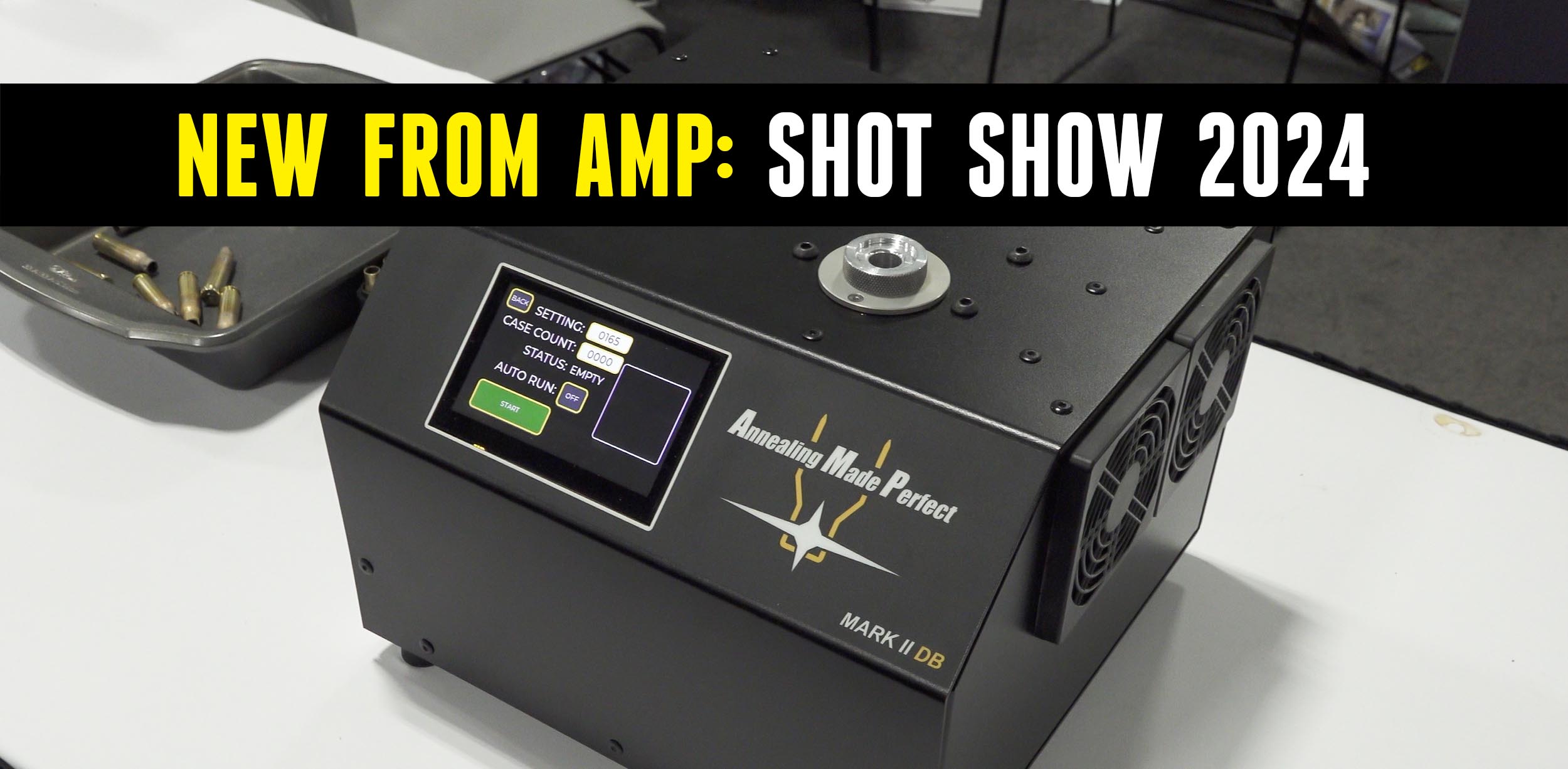
New from AMP: Mark II DB and RAMP Bipod at SHOT Show 2024
We met with Annealing Made Perfect at the 2024 SHOT Show to see an upgraded Mark II and a brand new product! Disclaimer Ultimate Reloader LLC / Making with Metal Disclaimer: (by reading this article and/or watching video content you accept these terms). The content on this website (including videos, articles, ammunition reloading data, technical […]
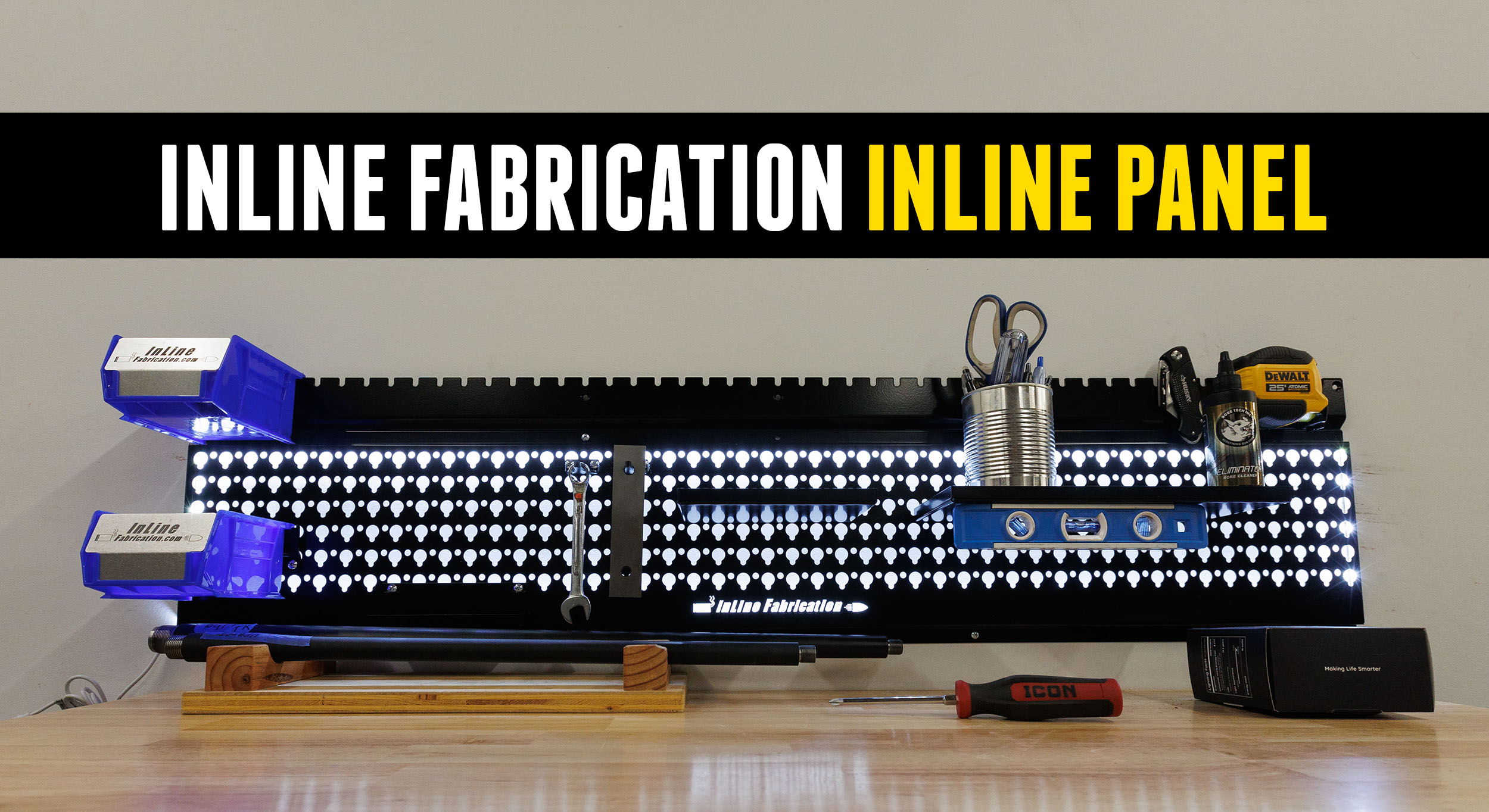
NEW: InLine Panel and InLine Rail from Inline Fabrication
It’s extremely important to keep your reloading equipment organized. Inline Fabrication’s new wall organizer helps you do just that! Disclaimer Ultimate Reloader LLC / Making with Metal Disclaimer: (by reading this article and/or watching video content you accept these terms). The content on this website (including videos, articles, ammunition reloading data, technical articles, gunsmithing and […]
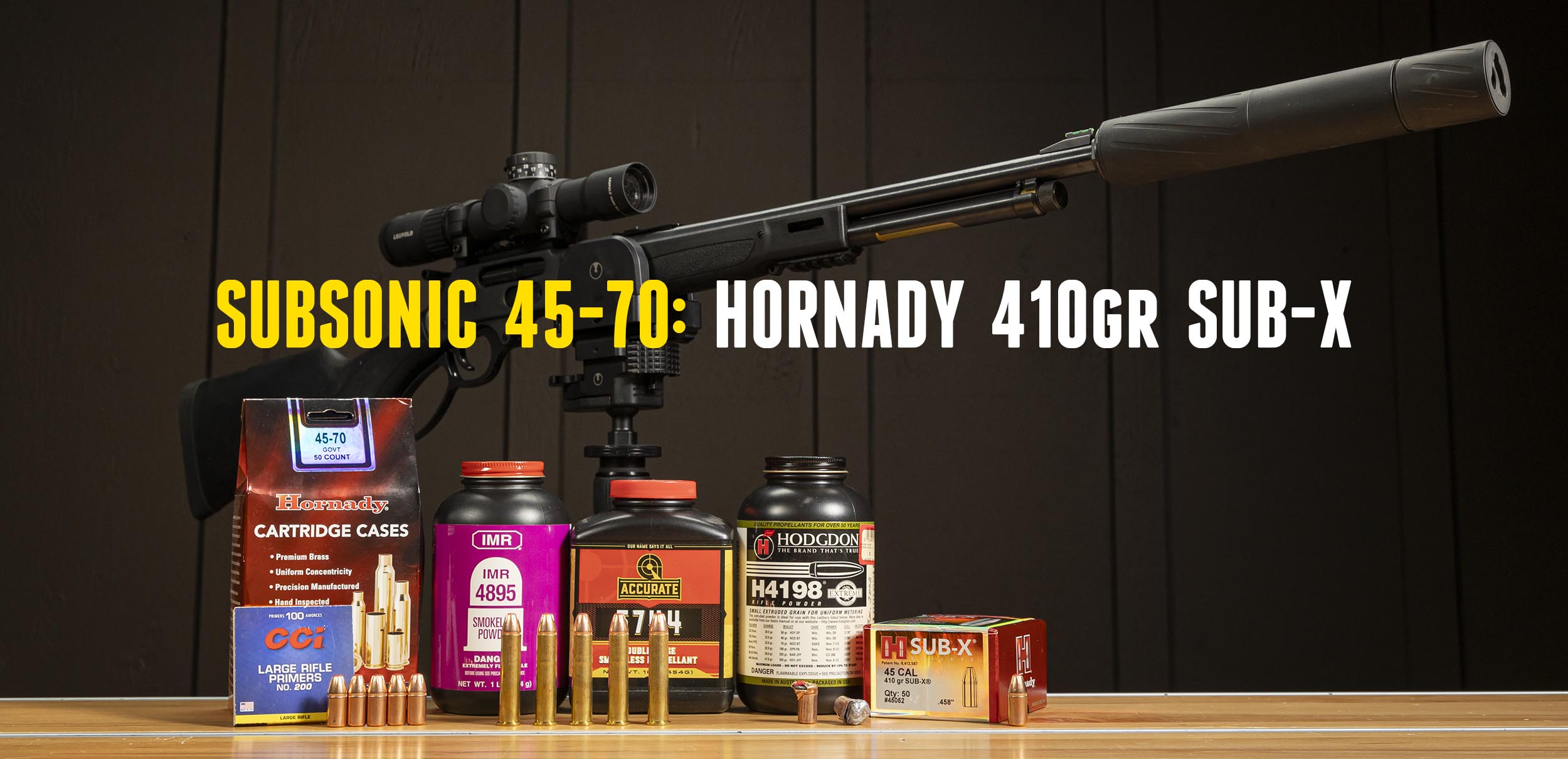
Hornady 410 Grain Sub-X .45-70 Hunting Rounds
The 150-year-old .45-70 has retained its popularity with a variety of new ammunition and reloading components available. Hornady’s newest jacketed hunting bullet is a big one! The 410 grain Sub-X is a large bullet intended for a specific hunting niche. Let’s take a closer look! Disclaimer Ultimate Reloader LLC / Making with Metal Disclaimer: (by […]
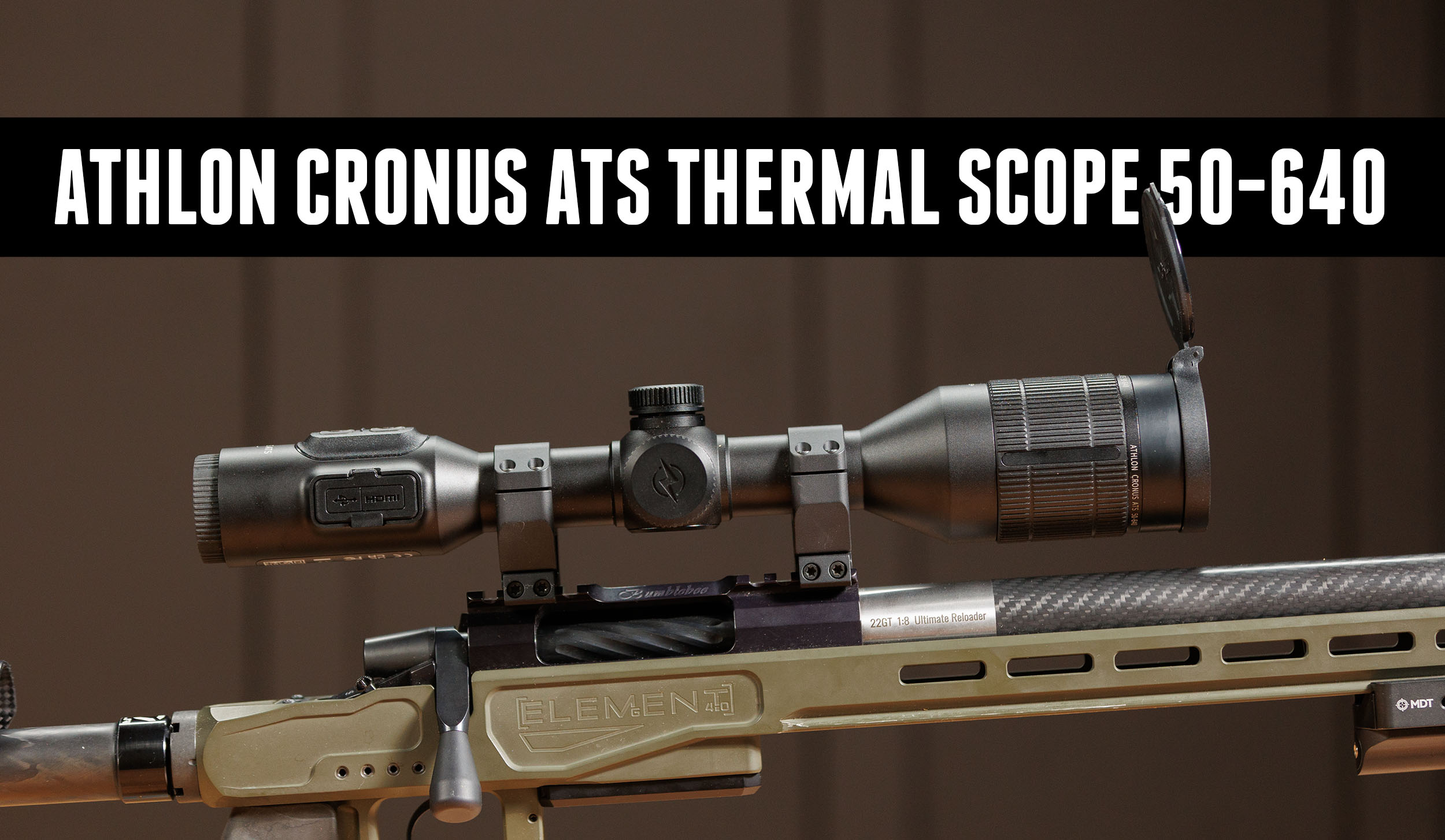
Athlon Cronus ATS Thermal Scope 50-640
Thermal scopes and predator hunting are things I’ve taken a recent interest in. In pursuit of those, I’m testing the new Athlon Cronus ATS Thermal Scope. Disclaimer Ultimate Reloader LLC / Making with Metal Disclaimer: (by reading this article and/or watching video content you accept these terms). The content on this website (including videos, articles, […]

Longshot’s Affordable Target Camera for 2024
You asked, Longshot answered! That’s right. The Longshot Target Camera company is responding to feedback from the public. They have engineered a target camera system that builds on the LR3 system, and is in reach for the everyday shooter, at a better price! Disclaimer Ultimate Reloader LLC / Making with Metal Disclaimer: (by reading […]