
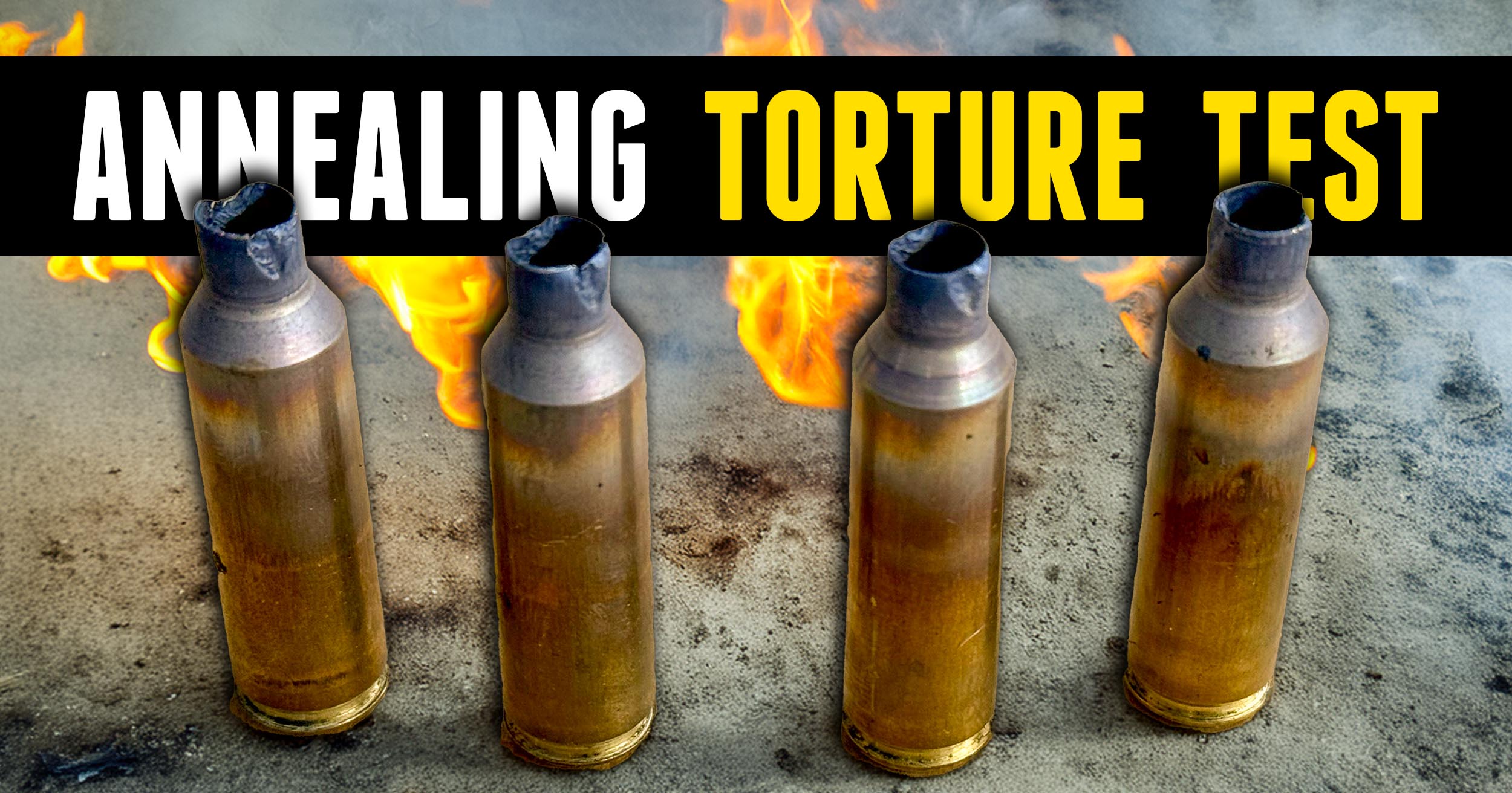
If you anneal brass, you are bound to encounter a piece of brass that you just aren’t sure about. How many times has it been annealed? What effect could this have on performance? In this video, I torture test brass with Annealing Made Perfect’s AMP Mark II DB and analyze the results. Watch and read on to find out what happens!
Disclaimer
Ultimate Reloader LLC / Making with Metal Disclaimer: (by reading this article and/or watching video content you accept these terms). The content on this website (including videos, articles, ammunition reloading data, technical articles, gunsmithing and other information) is for demonstration purposes only. Do not attempt any of the processes or procedures shown or described on this website. All gunsmithing procedures should be carried out by a qualified and licensed gunsmith at their own risk. Do not attempt to repair or modify any firearms based on information on this website. Ultimate Reloader, LLC and Making With Metal can not be held liable for property or personal damage due to viewers/readers of this website performing activities, procedures, techniques, or practices described in whole or part on this website. By accepting these terms, you agree that you alone are solely responsible for your own safety and property as it pertains to activities, procedures, techniques, or practices described in whole or part on this website.
Overview
Annealing prolongs brass life, enhances consistency and accuracy, and helps you achieve consistent shoulder bump.
Concerned what may happen if I accidentally anneal some cases twice, I asked annealing experts Alex and Matt Findlay at the SHOT Show.

The Annealing Made Perfect founders assured me that double-annealing would have no negative effect, but this led me to wonder….what would?

I decided to anneal my brass 5x and 10x and compare the performance. I am not talking about overannealing—overheating the brass, but about using the correct setting in the AMP Mark II DB multiple times. (I let the brass cool between annealings.)

I loaded each case with a load I know shoots well, allowing comparison between virgin brass, once-annealed brass, five-time annealed brass, and 10x annealed brass.
Case Preparation
I immediately set the virgin Lapua cases aside, but proceeded to decap 15 twice-fired cases that hadn’t been annealed.

I had previously used AMP’s Aztec technology to determine the proper setting for my 6.5 Creedmoor Lapua cases, so I pulled the information from the internal database and annealed all 20 cases.

Letting each case cool to the touch, I annealed five cases another four times and another five cases another nine times.

I sized each piece of brass on a Redding T7 turret press equipped with the enhanced press head from Creedmoor Sports and Forster dies.
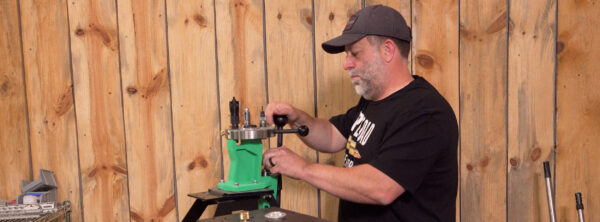
Next, I primed them with Federal small rifle primers on a Primal Rights Competition Primer Seater.
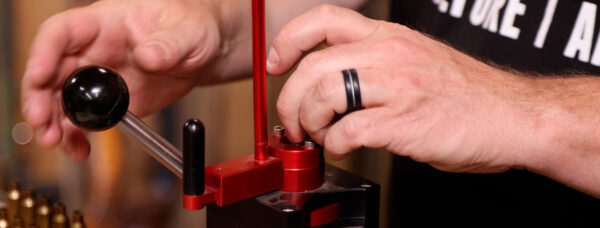
I threw charges of H4350 with the RCBS MatchMaster before seating Sierra’s new 6.5mm 142 Grain MatchKing X bullets over top.

Test and Results
I fired each of the cases out of a Ultimate Reloader Custom 6.5 Creedmoor built around a BAT action with a Foundation stock and Leupold scope.
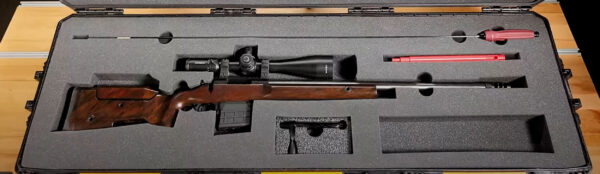
I selected this rifle as it is incredibly accurate, making it ideal for a baseline test such as this.
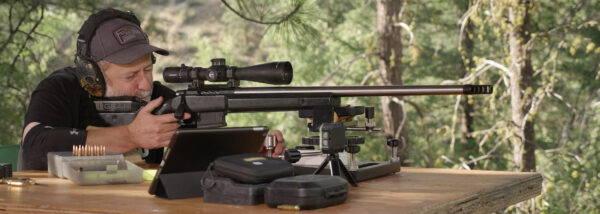
I headed to the 100-yard bench and fired groups with each of the sets of the brass. I recorded the test through the Longshot app and collected data with the Athlon Rangecraft Velocity PRO Radar Chronograph.
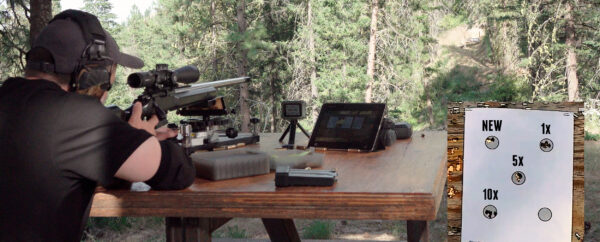
The five rounds loaded in new brass landed in a 0.35” group at 100 yards with an average velocity of 2,825.4 fps, SD of 12.8 fps, and extreme spread of 34.4 fps. This was exactly what I expected — good accuracy but some variability in the unfired cases. The group size expanded by 0.13” with the once-annealed cases. The SD and ES decreased while the average velocity was only slightly higher than the unfired brass.
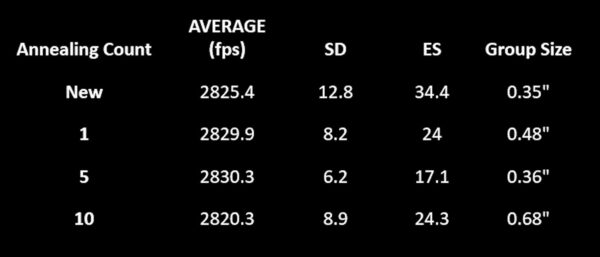
Surprisingly, five-times annealed brass showed a reduction in group size, SD, and ES! There was almost no change in velocity from the once-annealed brass.

The 10x annealed brass had a group size just over half an inch (though I suspect some of that was my shooting) with an SD and ES right in line with the once-annealed brass. There was a very minimal reduction in velocity
Conclusion
While there is some indication that the more times you anneal the more consistent your numbers may be over time, I can safely say that annealing more than once doesn’t have any negative effect on group size and only a negligible effect on standard deviation and extreme spread.
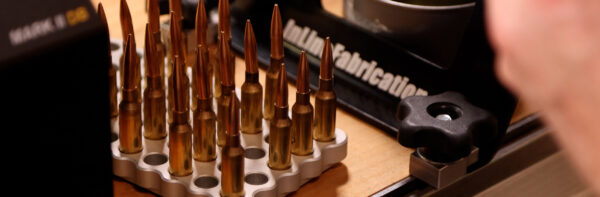
The moral of the story? Don’t fret about annealing brass more than once. It’s better to make sure that all of your cases are annealed at least once than by skipping some!

Get the Gear
AMP Mark II DB at Creedmoor Sports
Lapua 6.5 Creedmoor Small Rifle Primer Brass at Creedmoor Sports and Midsouth Shooters Supply
Redding T7 Turret Press at Creedmoor Sports
Creedmoor Sports Redding T7 Upgrade Kit
Creedmoor Enhanced T7 Turret Head
Forster Dies at Creedmoor Sports and Midsouth Shooters Supply
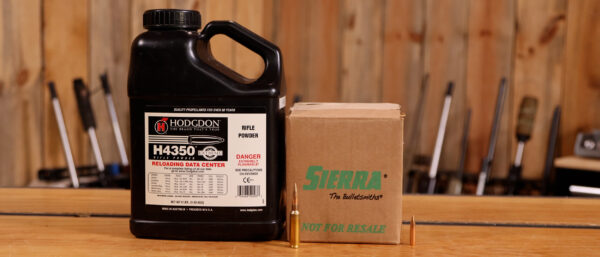
Hodgdon H4350 at Midsouth Shooters Supply
Sierra MatchKing X 6.5mm 142 Grain HPBT Bullets
RCBS MatchMaster Powder Dispenser at Midsouth Shooters Supply
Primal Rights Competition Primer Seater
Area 419 Loading Block at Midsouth Shooters Supply
InLine Fabrication Ultramounts
Athlon Rangecraft Velocity PRO Radar Chronograph at Midsouth Shooters Supply
Don’t miss out on Ultimate Reloader updates, make sure you’re subscribed!
Thanks,
John Masek
About the author