Here at Ultimate Reloader we’re all about data. We’ve shown a few pressure tests featuring Alpha Munitions Brass but are approaching this one with a new methodology. Follow along as we push Alpha Munitions 7mm SWC brass to the limit, but don’t try this at home!
Disclaimer
Ultimate Reloader LLC / Making with Metal Disclaimer: (by reading this article and/or watching video content you accept these terms). The content on this website (including videos, articles, ammunition reloading data, technical articles, gunsmithing and other information) is for demonstration purposes only. Do not attempt any of the processes or procedures shown or described on this website. All gunsmithing procedures should be carried out by a qualified and licensed gunsmith at their own risk. Do not attempt to repair or modify any firearms based on information on this website. Ultimate Reloader, LLC and Making With Metal can not be held liable for property or personal damage due to viewers/readers of this website performing activities, procedures, techniques, or practices described in whole or part on this website. By accepting these terms, you agree that you alone are solely responsible for your own safety and property as it pertains to activities, procedures, techniques, or practices described in whole or part on this website.
Methodology
John Miller, an engineer at DEWESoft, is joining me for this experiment as we work towards collecting data with some of their data acquisition solutions.
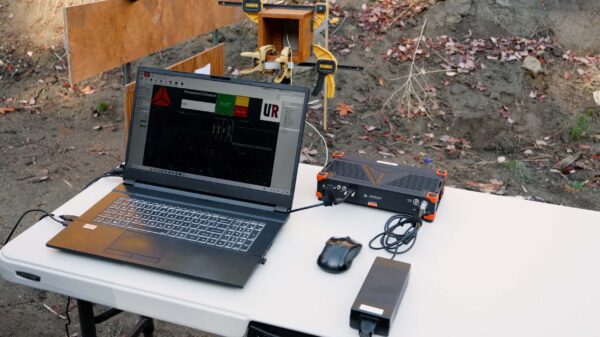
We’ve previously used their equipment to measure recoil, sound, and pressure.
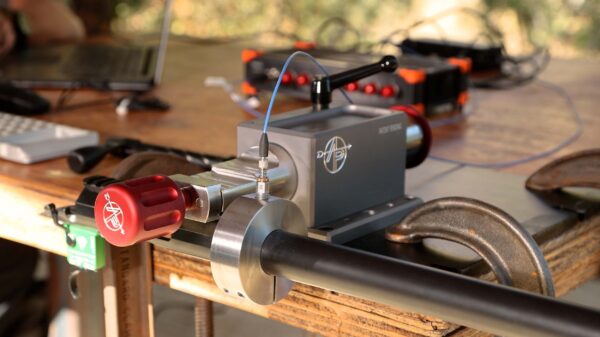
One of the advantages of using DEWESoft is how easy their software is to use. It allows us to see data in real time rather than scrubbing through Excel sheets at the conclusion of a test.

Alpha Munition’s OCD cases are known for their quality. I’ve demonstrated this multiple times, proving precision and longevity. I have never had a primer pocket open up – something I cannot say about any other brass.
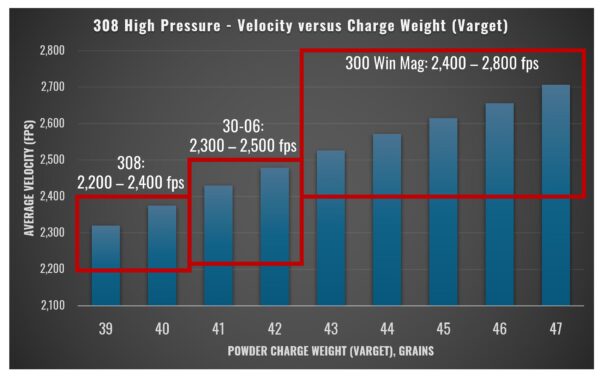
In our “pushing .308 Win to .300 Win Mag” experiment we estimated pressures with QuickLoad. When we pushed 6GT to its limits, we drilled a hole through the barrel to collect pressure after the bullet went by.
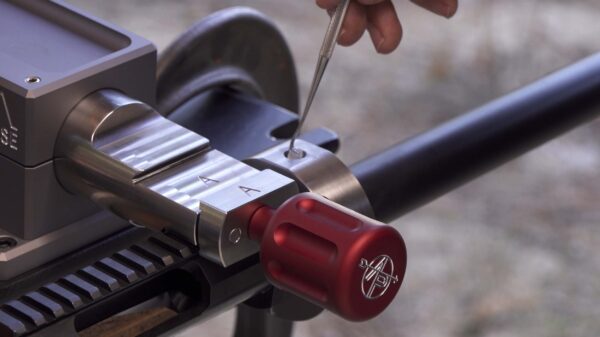
This method wasn’t perfect as we lost some of the peak pressures and had to reverse engineer the data. This time, we’re collecting pressures in a non-destructive way!
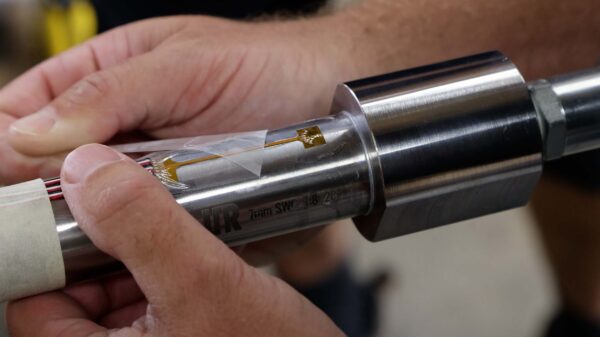
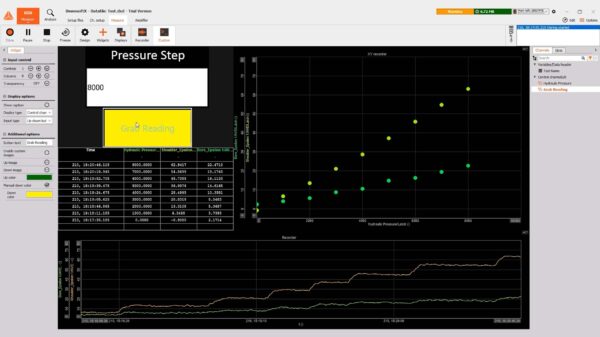
John Miller explained that by using strain gauges, gauges that measure the deformation of an object when force is applied through changes in electrical resistance, there is no need to drill an otherwise unnecessary hole in a good barrel.
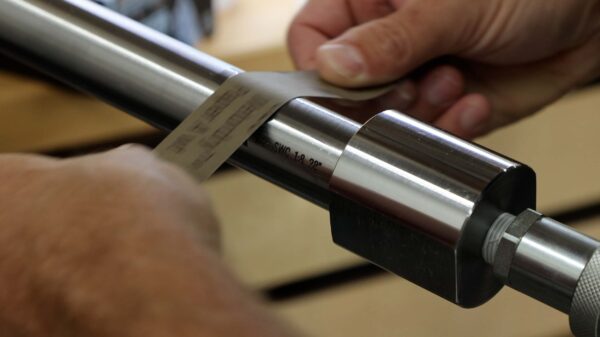
The only negative is you have to strip the barrel to its raw materials. In other words, remove any coating and clean the barrel with acetone before applying the gauges.
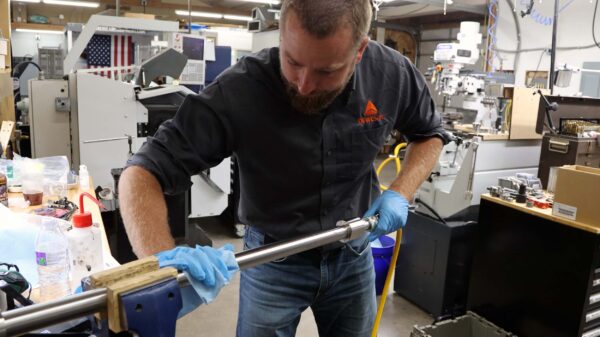
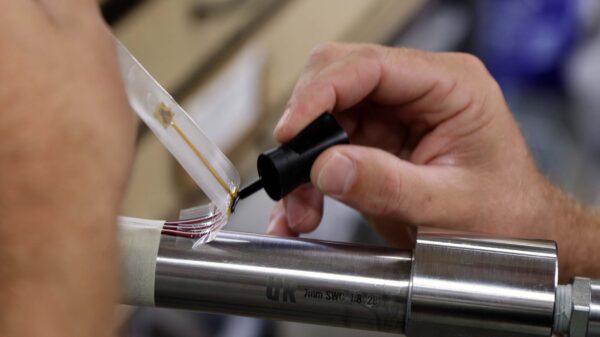
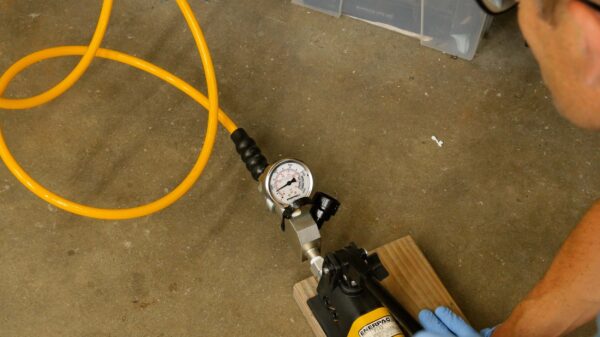
In order to accurately calculate the pressure inside the vessel (barrel), we calibrated it using a hydraulic system.
About the Rifle
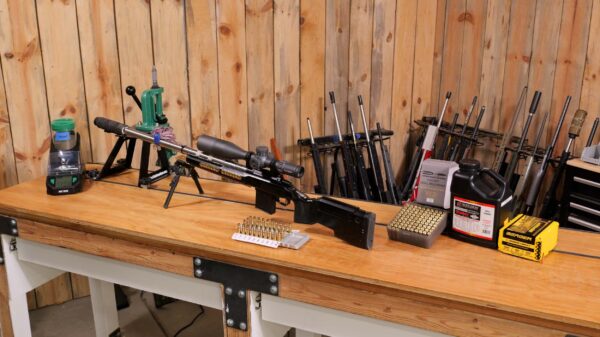
For this experiment, I am using my custom 7mm SWC.
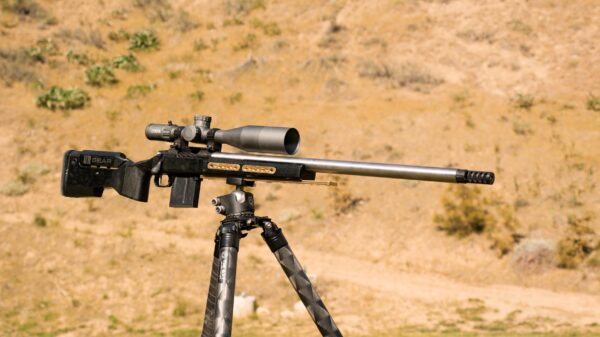
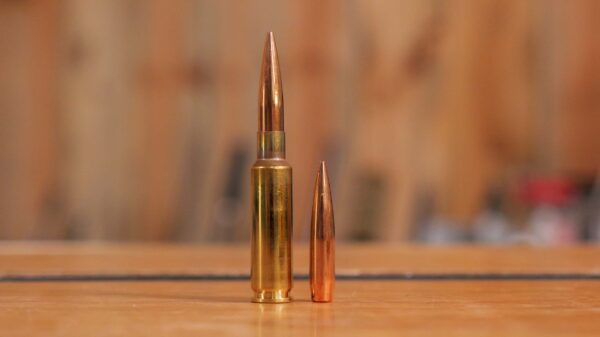
7mm SWC or 7 SWC is a short action cartridge with magnum performance and a .308 bolt face, ideal for long, high BC 7mm bullets.
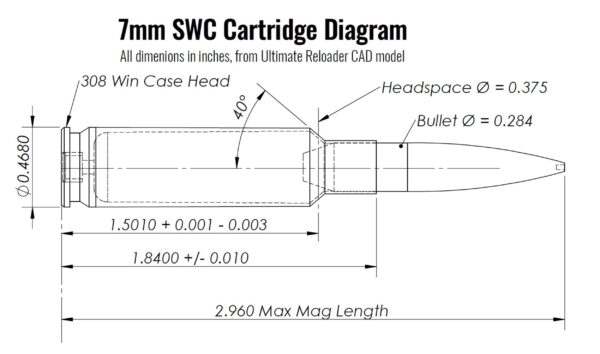
With a 40 degree shoulder the 7mm SWC has the appearance of an Ackley Improved cartridge and is optimized for bullets in the 180 to 195 grain range.
This rifle is centered around BAT Machine’s Hammerhead Action with a Foundation Samson Stock, Hawkins Precision M5 DBM, and Bix’n Andy TacSport PRO-X from Bullet Central.
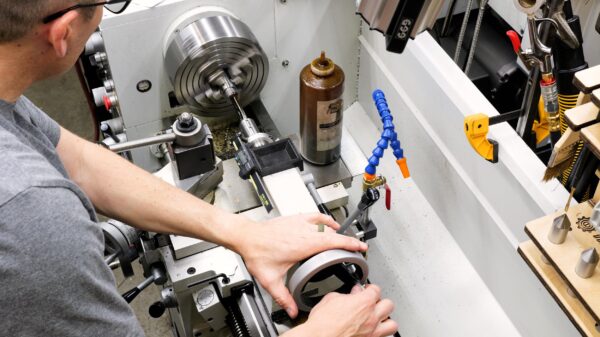
I chambered a Custom Rifle Barrels blank on my Precision Matthews PM-1440HVT-2 with reamers and gauges from Manson Precision. I finished off this build with an Element Optics Theos 6-36x56mm FFP scope.
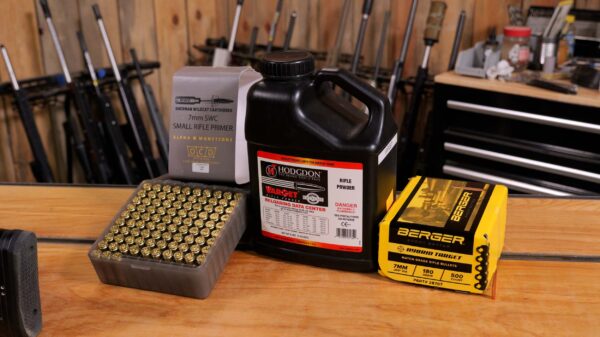
I had previously observed stellar accuracy in this rifle with the same components, Varget, Berger 7mm 180 Grain Hybrid Target Bullets, and Alpha Munitions brass.
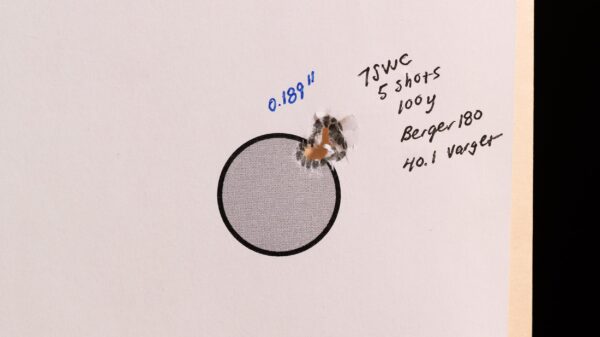
Five shots at 100 yards with 40.1 grains of Varget measured 0.189” with an average velocity of 2649.3 fps.
Conducting the Test
I loaded a series of Alpha Munitions 7mm SWC cases with Varget under Berger 7mm 180 Grain Hybrid Target Bullets.
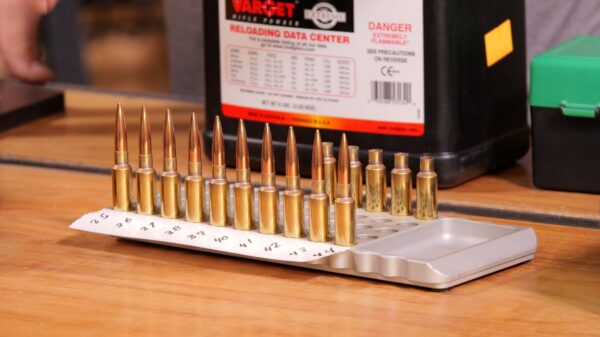
I loaded 10 cases in one grain increments, moving from 35.0 grains of Varget to 44.0 grains. We conducted this test in 100 degree weather but kept the ammunition out of direct sunlight.

I fired each round while John Miller watched the DEWESoft data stream and velocities on Athlon’s Rangecraft Velocity PRO Radar Chronograph.
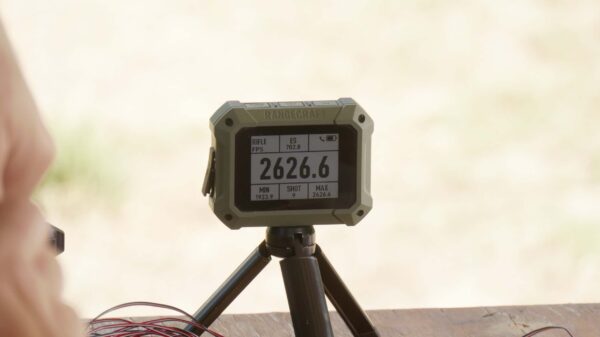
After the first round of pressure testing, I hadn’t observed any signs of pressure, including stiff bolt lift, and we reached 2,626.6 fps. We decided to run the test a second time, this time loading up to 46.0 grains of Varget.
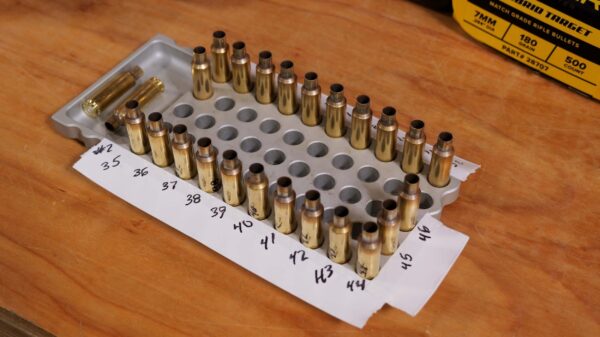
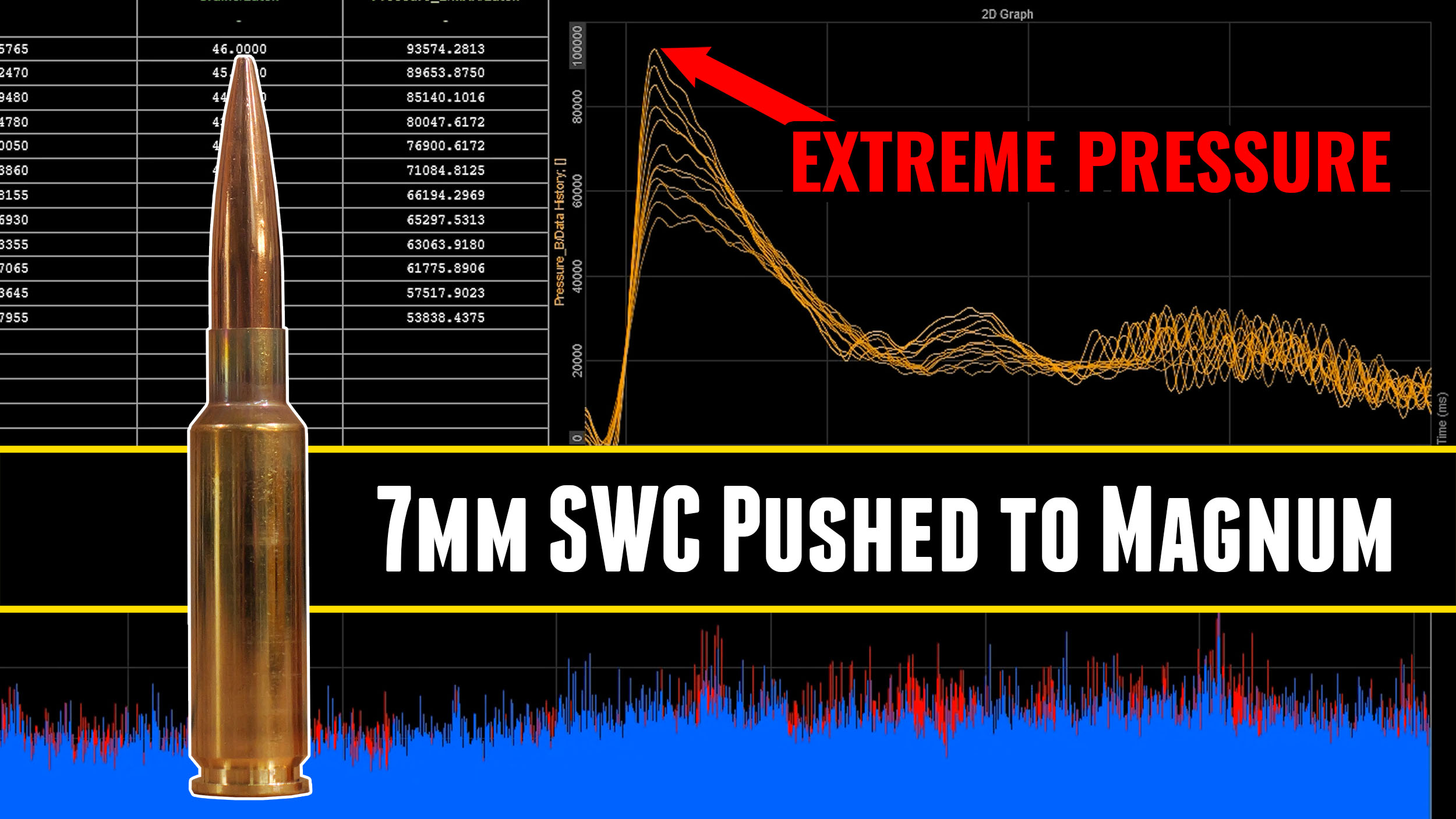
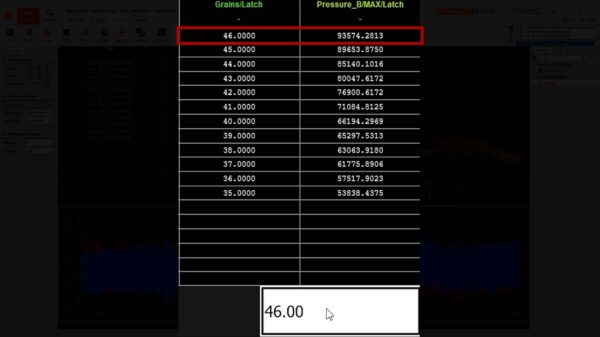
We sustained some ejector swipe with 46.0 grains of Varget and a pressure of 93,574 psi.
Results
We didn’t observe any pressure signs in the brass when we conducted our first round of testing with rounds ranging from 35.0 grains of Varget to 44.0 grains.
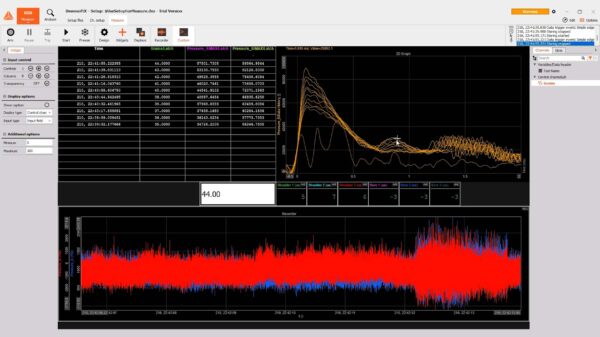
The second round of testing included the initial loads but also 45.0 grains and 46.0 grains of Varget.

The velocities started at 2196.5 fps for 35.0 grains and increased to 2,782.8 fps with 46.0 grains.
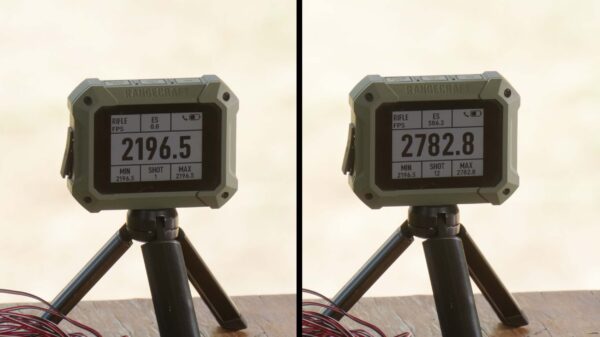
I referenced data in the Hornady reloading manual and found that we met the capabilities of 7mm SAUM and were within 50 fps of the maximum load for 7mm Rem Mag with the 7mm SWC.
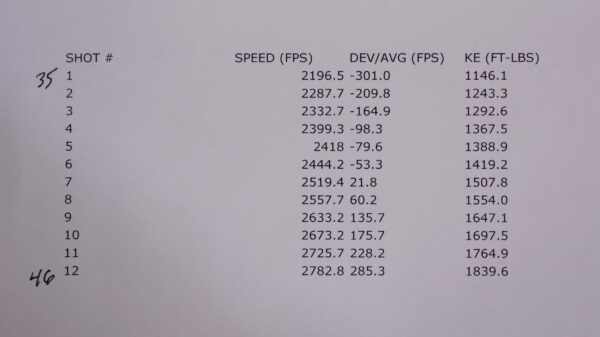
Keep in mind that the 7mm SWC short action utilizes a .308 bolt face, not a magnum bolt face like the 7mm SAUM! (The 7mm SAUM data was with a 175 grain bullet, not a 180 grain.)
The pressure data revealed a starting pressure of 53,838 psi with 35.0 grains and an ending pressure of 93,574 psi with 46.0 grains.
At 46.0 grains we noticed a very slight impression of the ejector pocket and slight amount of swipe.
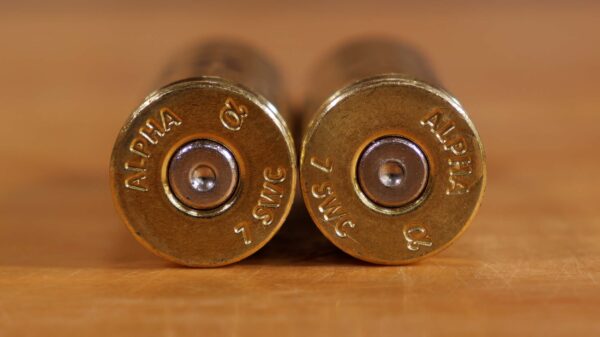
I’ve noticed this exact thing with multiple types of factory ammunition in cooler temperatures!
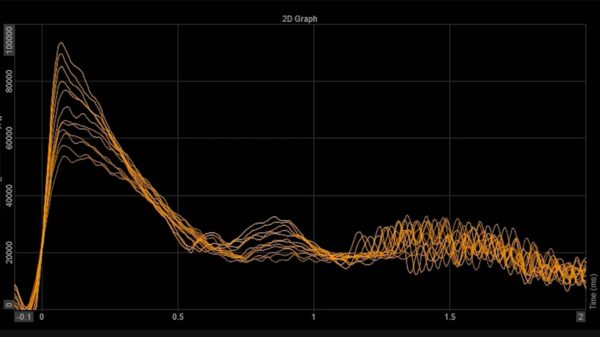
John Miller and I also discussed the validity of the data set, considering strain gauge locations as well as the calibration process.
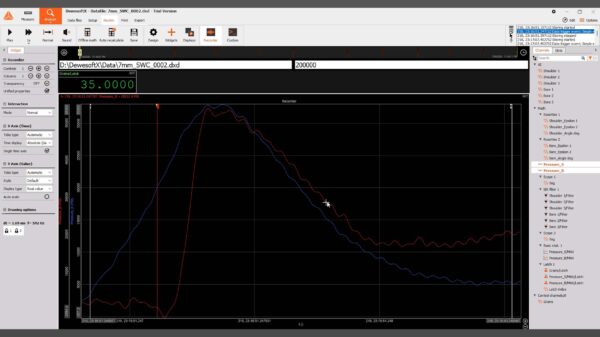
We both agreed we’d like to revisit the calibration process but Miller pointed out that the relative differences between shots as well as the graphs indicated the data was accurate.
Conclusion
The combination of Alpha Munitions brass and 7mm SWC resulted in some impressive velocities and magnum performance near 7mm SAUM and 7mm Rem Mag.
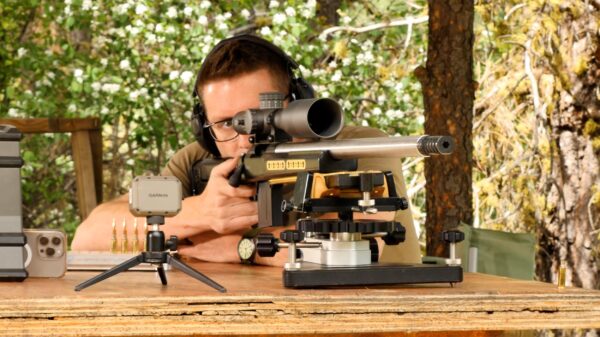
We ran multiple strain gauges with one at the shoulder and one at the bore and would like to conduct two parallel tests in the future including different sensor locations and calibration processes.

Once again, Alpha Munitions brass allowed us to push the 7mm SWC further than we otherwise would and DEWESoft’s DAQ provided us a newer, cleaner data set. Remember, do NOT try this at home!
Get the Gear
Alpha Munitions 7mm SWC OCD Brass from Sherman Wildcat Cartridges
Berger 7mm 180 Grain Hybrid Target Bullets at Creedmoor Sports and Midsouth Shooters Supply
Hodgdon Varget at Midsouth Shooters Supply
Area 419 Loading Block at Midsouth Shooters Supply
Athlon Rangecraft Velocity PRO Radar Chronograph
Hornady Reloading Manual at Midsouth Shooters Supply
Rifle Build:
Purchase the BAT Hammerhead Action at Unknown Munitions! (BAT Machine’s Authorized Hammerhead Dealer)
Custom Rifle Barrels 7mm Barrel Blank
Bix’n Andy TacSport Pro-X Trigger from Bullet Central
Element Optics Theos 6-36×56 FFP
Precision Matthews PM-1440HVT-2 Lathe
Manson Precision Reamers and Gauges
Don’t miss out on Ultimate Reloader updates, make sure you’re subscribed!
Thanks,
Gavin Gear