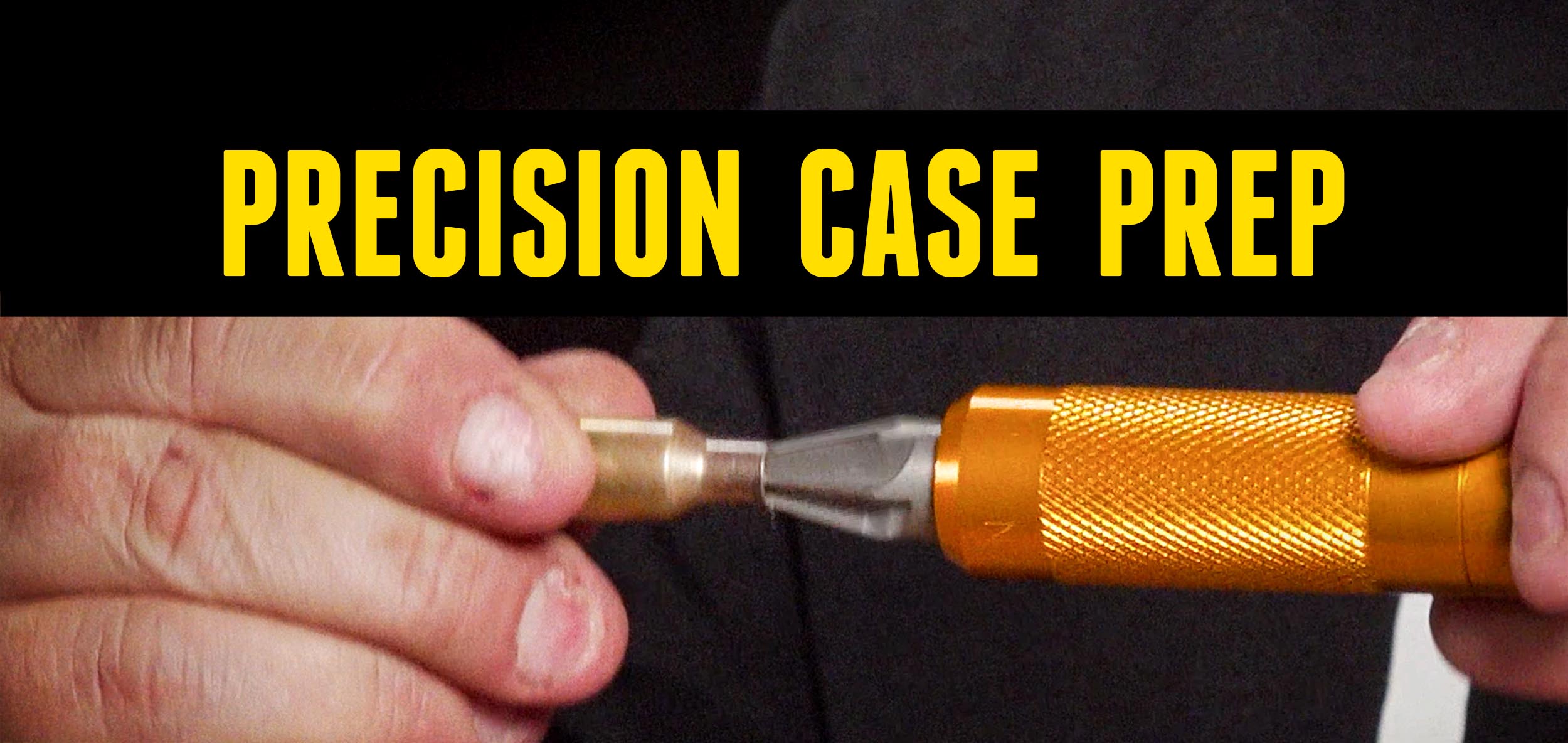
There is much more to brass prep than decapping and sizing when you’re looking for the utmost precision. In this video, I’ll outline the steps I take to prepare my cases with a variety of Lyman equipment and share the one process I believe makes all the difference.
Disclaimer
Ultimate Reloader LLC / Making with Metal Disclaimer: (by reading this article and/or watching video content you accept these terms). The content on this website (including videos, articles, ammunition reloading data, technical articles, gunsmithing and other information) is for demonstration purposes only. Do not attempt any of the processes or procedures shown or described on this website. All gunsmithing procedures should be carried out by a qualified and licensed gunsmith at their own risk. Do not attempt to repair or modify any firearms based on information on this website. Ultimate Reloader, LLC and Making With Metal can not be held liable for property or personal damage due to viewers/readers of this website performing activities, procedures, techniques, or practices described in whole or part on this website. By accepting these terms, you agree that you alone are solely responsible for your own safety and property as it pertains to activities, procedures, techniques, or practices described in whole or part on this website.
Cleaning
Cleaning starts brass preparation. You need to choose whether to wet or dry tumble. Depriming before or after tumbling is also a personal choice.
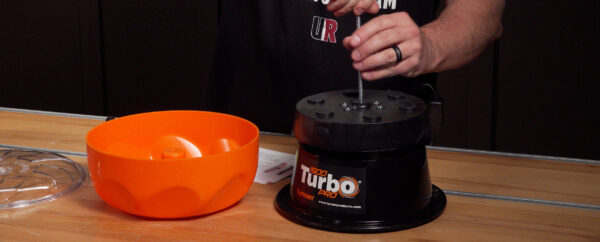
I opted to dry tumble with corncob media using the Lyman 1500 Turbo Pro. Dry tumbling does not get the cases as shiny as wet tumbling does, but the process is faster.
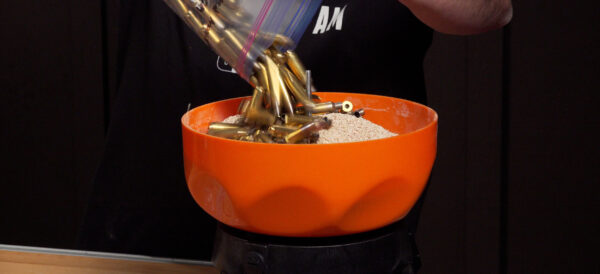
I really only care that any dirt and debris is eliminated. I use a rotary case/media separator to remove the corncob from all of the cases while keeping all of the media contained.
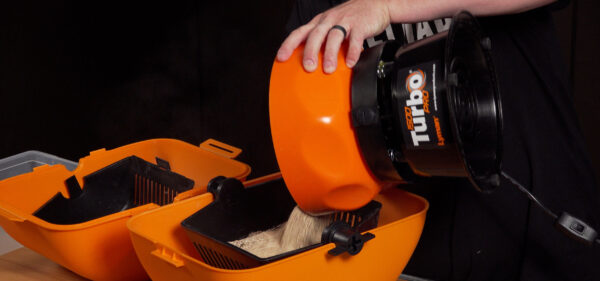
As you turn the basket, the cases remain in the basket while the media falls into the base of the separator.
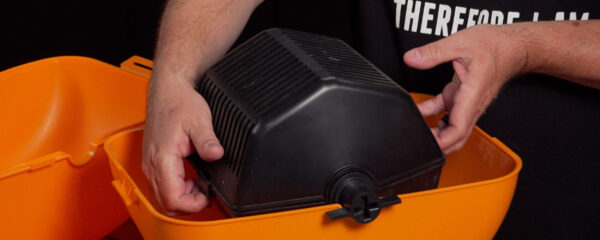
A locking lid keeps all of the mess inside and prevents you from losing media. I like to turn the basket in both directions to ensure all of the media is knocked loose.

When I’m finished, I dump the cleaned brass into whatever container I have handy — generally a shoebox.

Case Preparation
I started this demonstration with ten Lapua cases. The first five pieces of brass were from the twice-fired batch I just cleaned. The others were brand new. Many people believe that virgin cases need no work, but this isn’t necessarily true.
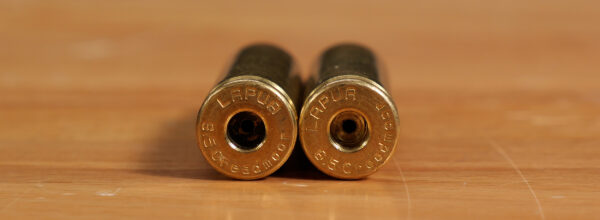
Prep all of your brass if you want to glean as much precision and consistency as possible! I started by cleaning the primer pockets of the fired brass with a multi-tool.
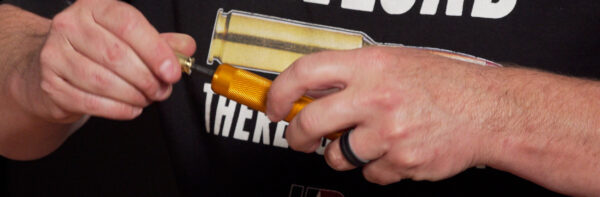
If you want something more advanced, the motorized Lyman Xpress Case Prep Center or Universal Case Prep Accessory Tool Set are good options.

Both of these have a primer pocket uniformer, which the multi-tool does not have. The Xpress is nice as you have less manual work to do, but you can still feel the process.
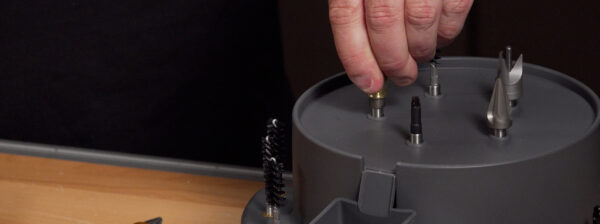
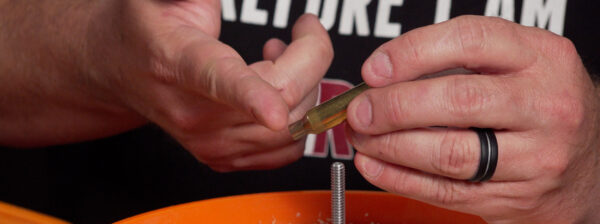
After taking care of the primer pockets, it was time to turn my attention to the necks. I used a brush on the Xpress case prep center to ensure that my cases were free of debris, but you can also screw any standard cleaning brush into the threaded handles of the case prep accessory set.

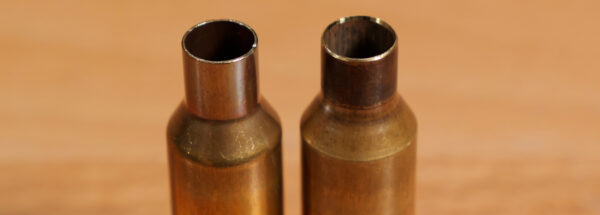
The one step to NEVER skip is chamfering/deburring. I chamfered with the VLD side of the multi-tool for a steeper 22-degree angle that optimizes bullet performance.

This angle guides the bullet during seating, preventing it from being damaged. Flipping the multi-tool over, I used the outside deburring tool to put a bevel on the outside.

This adds a bevel and removes any burs that may inhibit chambering. Both of these processes only take a few quick turns.
All three of the Lyman tools shown, the Xpress Case Prep Center, Multi-Tool, and Universal Accessory Set, all have large and small primer pocket reamers.
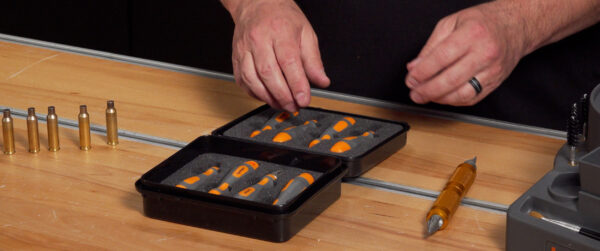
These are used to remove crimps from military brass. Once a crimp is removed, you do not have to ream that case again. It is not necessary with many cases, like the Lapua I’m using.
Conclusion
Keep in mind that you can use hand tools, motorized equipment, or a combination to properly prepare your brass.
Primer pocket cleaning and uniforming are good practices, but chamfering/deburring are absolutely essential. Do not skip them, even if you are short on time! Precision on the firing line starts with case preparation – what equipment are you using to gain an edge?
Get the Gear

Lyman Case Prep Multi-Tool at Midsouth Shooters Supply
Lyman 1500 Turbo Pro Tumbler at Midsouth Shooters Supply
Lyman Corncob Media at Midsouth Shooters Supply
Lyman Rotary Case/Media Separator at Midsouth Shooters Supply
Lyman Xpress Case Prep Center at Midsouth Shooters Supply
Lyman Universal Case Prep Accessory Set at Midsouth Shooters Supply
Lapua Brass at Creedmoor Sports and Midsouth Shooters Supply
Don’t miss out on Ultimate Reloader updates, make sure you’re subscribed!
Thanks,
John Masek
About the author