
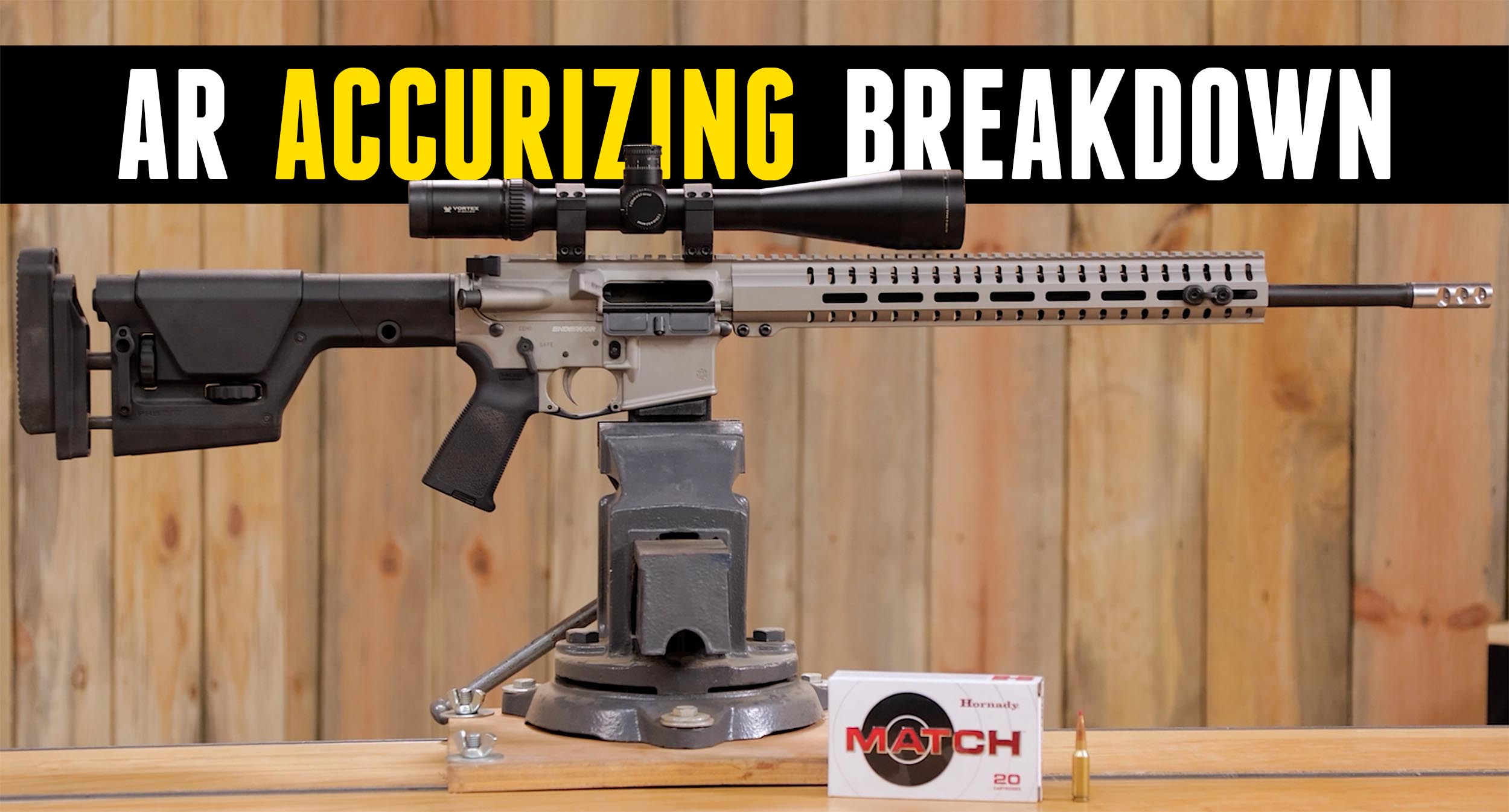
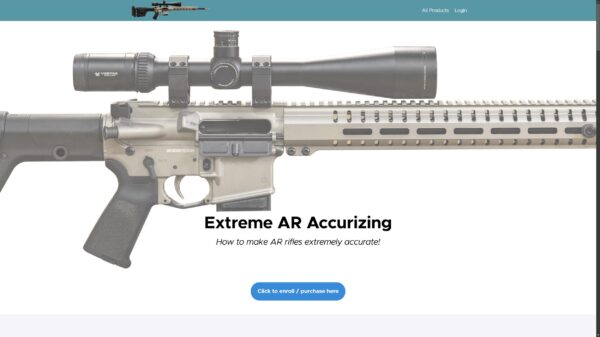
If you want to maximize the accuracy of your AR rifle, there’s a lot more to it than just buying high-end components. In our online accuracy course at G4Precision.com, co-developed by myself and Gordy Gritters, we dive deep into the processes that can take your rifle from average to extreme precision. In this article, we’ll cover the key steps involved in the implementation of accurizing processes.
Disclaimer
Ultimate Reloader LLC / Making with Metal Disclaimer: (by reading this article and/or watching video content you accept these terms). The content on this website (including videos, articles, ammunition reloading data, technical articles, gunsmithing and other information) is for demonstration purposes only. Do not attempt any of the processes or procedures shown or described on this website. All gunsmithing procedures should be carried out by a qualified and licensed gunsmith at their own risk. Do not attempt to repair or modify any firearms based on information on this website. Ultimate Reloader, LLC and Making With Metal can not be held liable for property or personal damage due to viewers/readers of this website performing activities, procedures, techniques, or practices described in whole or part on this website. By accepting these terms, you agree that you alone are solely responsible for your own safety and property as it pertains to activities, procedures, techniques, or practices described in whole or part on this website.
Evaluating Your Rifle
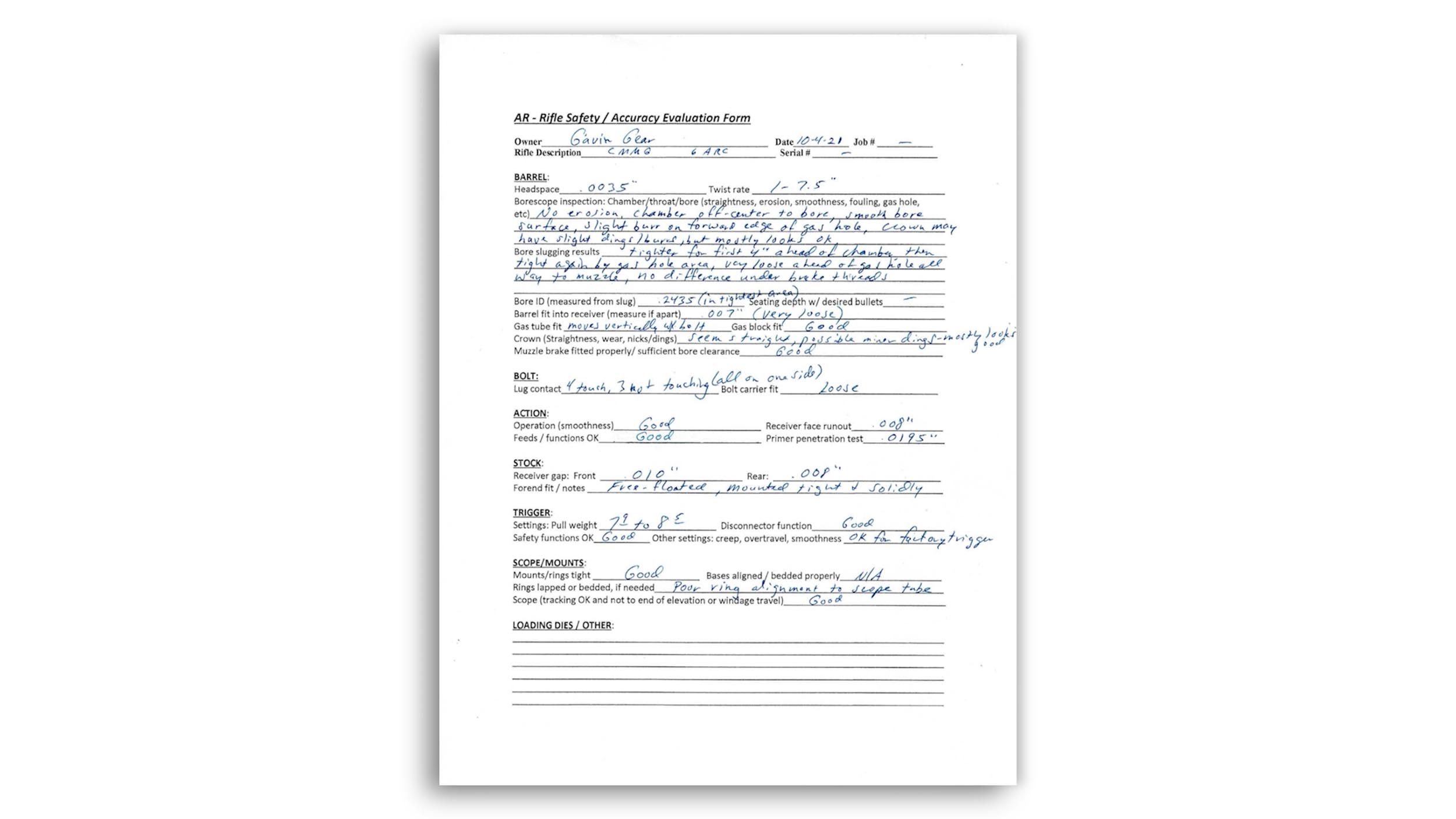
Before diving into modifications, it’s crucial to evaluate your AR’s current performance. The previous video in this series detailed the assessment process, which results in a scorecard with specific metrics and observations. Once this step is complete, we can start making precision-enhancing modifications.
Gunsmithing
Optimizing the Trigger

One of the most immediate and impactful improvements is the trigger. Due to liability concerns, the recommended approach is usually a drop-in trigger replacement. This simple upgrade can significantly enhance shooting consistency and accuracy.
Lapping the Bolt Lugs

Lapping the bolt lugs ensures proper contact between the lugs and the lug seats. When firing, high pressures force these components into contact. If they weren’t already in full engagement before firing, the result is an upsetting harmonic that degrades accuracy. This process differs slightly between bolt-action rifles and AR-15s, but the principle remains the same.
Refitting the Gas Block and Gas Tube
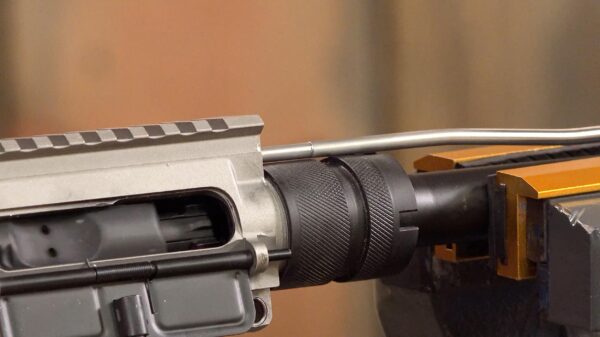
For optimal function, the gas tube must be perfectly aligned with the bolt carrier. Misalignment can lead to inconsistency in how the bolt carrier cycles, which in turn affects shot placement. The course covers step-by-step methods to ensure perfect alignment and minimize unwanted interference.
Slugging and Hand Lapping the Bore

One of the most critical steps in accurizing any rifle is ensuring consistent bore dimensions. Variations in the lands or grooves can cause a bullet to fly inconsistently. Precision shooters have long understood that match barrels are superior because of their consistent bore dimensions. However, with careful slugging and hand lapping, a standard barrel can be brought much closer to match-grade performance.
This process requires specific materials and techniques, all of which are detailed in the course.
Truing the Receiver and Barrel Fit

Poor fit between the barrel extension and the upper receiver can cause erratic shot placement. The course teaches how to tighten this interface to improve shot consistency. Another key factor is ensuring the squareness and trueness of the receiver face where the barrel extension seats. By measuring runout and performing precision cuts (if necessary), you can create a perfectly perpendicular mating surface, enhancing accuracy.

Even if you don’t have access to a lathe or mill, alternative techniques are provided so that anyone can perform these critical steps.
Recrowning the Barrel

After lapping the bore, the barrel crown can be slightly deformed. Recrowning restores this critical interface, ensuring that gas exits evenly around the bullet, which directly impacts accuracy. This step has its own dedicated lesson in the course.
Tightening the Upper-to-Lower Receiver Fit

Any movement between the upper and lower receivers can introduce inconsistency before the bullet even leaves the bore. The course covers methods to tighten this fit, eliminating unwanted play and further improving shot consistency.
Detailed Scope Mounting

A precision rifle demands precise optics installation. Proper scope mounting and ring alignment ensure that the scope functions as intended. This lesson covers how to align rings with the scope tube properly, ensuring optimal performance.
Why This Training Matters
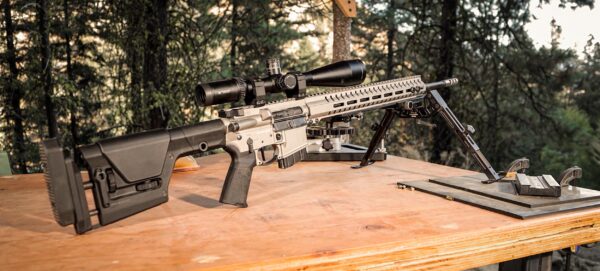
Each of these steps contributes to the overall equation of precision. If any variable is ignored, you’re leaving accuracy potential untapped. By following this detailed process, you’ll see a noticeable improvement in your AR’s performance.
For those interested in learning these techniques firsthand, visit G4Precision.com. You can browse the course curriculum and enroll in the training today. Whether you’re a dedicated shooter or a gunsmith looking to offer better service, this knowledge can give you an edge in achieving extreme accuracy from an AR platform.
Thanks for reading, and as always, stay tuned for more precision rifle insights!
Don’t miss out on Ultimate Reloader updates, make sure you’re subscribed!
Thanks,
Gavin Gear
About the author