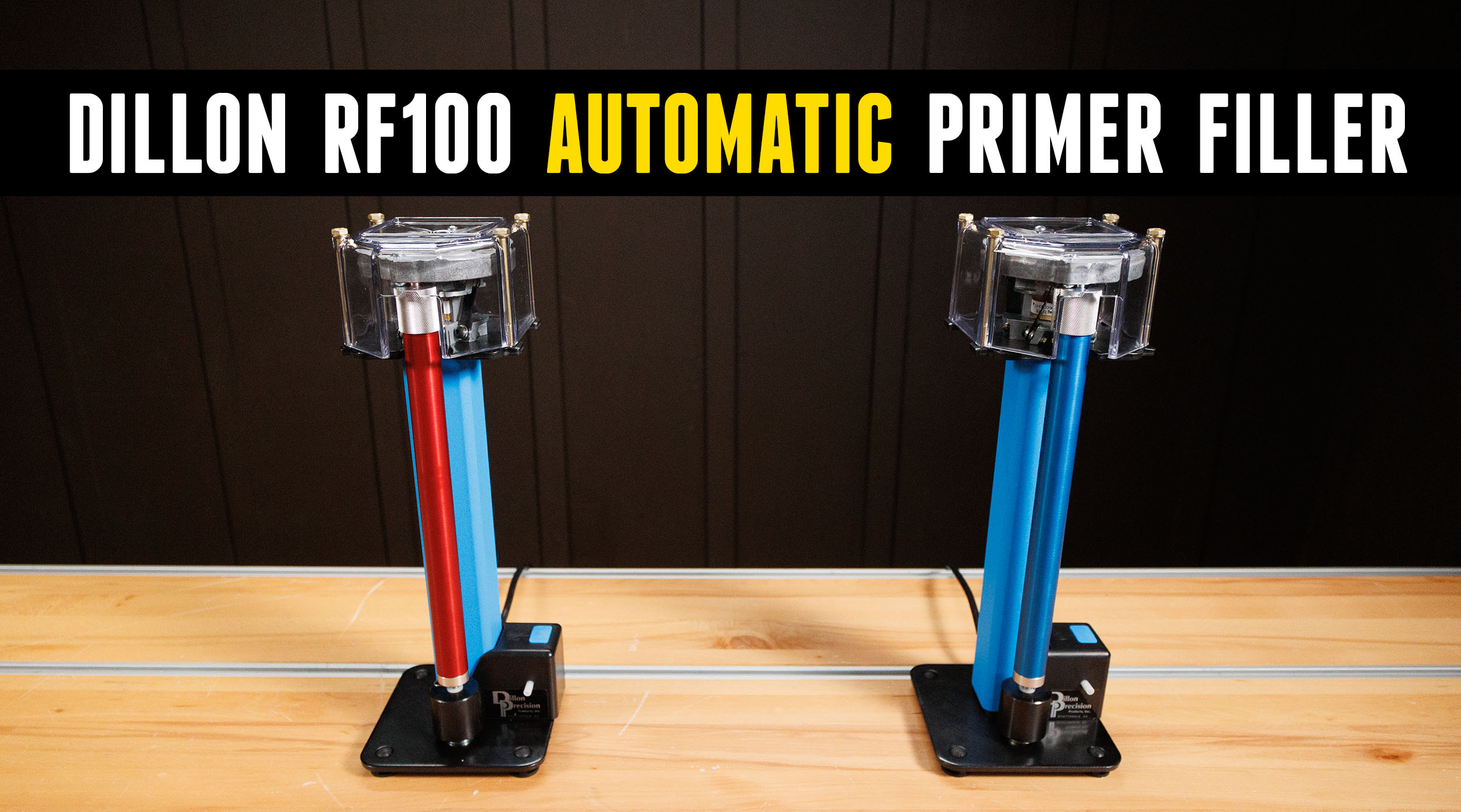
The Dillon RF100 Automatic Primer Filler promises to fill primers fast — but does it? I have wanted to find out just how much it could ease our priming workflow. Check it out!
Disclaimer
Ultimate Reloader LLC / Making with Metal Disclaimer: (by reading this article and/or watching video content you accept these terms). The content on this website (including videos, articles, ammunition reloading data, technical articles, gunsmithing and other information) is for demonstration purposes only. Do not attempt any of the processes or procedures shown or described on this website. All gunsmithing procedures should be carried out by a qualified and licensed gunsmith at their own risk. Do not attempt to repair or modify any firearms based on information on this website. Ultimate Reloader, LLC and Making With Metal can not be held liable for property or personal damage due to viewers/readers of this website performing activities, procedures, techniques, or practices described in whole or part on this website. By accepting these terms, you agree that you alone are solely responsible for your own safety and property as it pertains to activities, procedures, techniques, or practices described in whole or part on this website.
RF100 Overview
I had several questions I wanted answered as I embarked upon this test:
- How easy is it to set up?
- How fast is it?
- Will there be any complications filling 100 primers in the correct orientation?
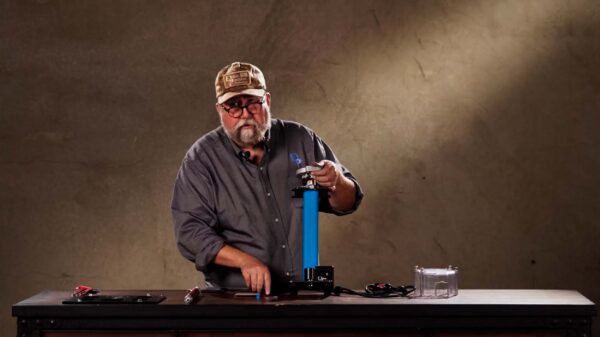
I had both the small and large primer versions of the RF100 to test. ( The small primer RF100 works with both small rifle and small pistol primers, just as the large primer RF100 works with both large rifle and pistol primers.)
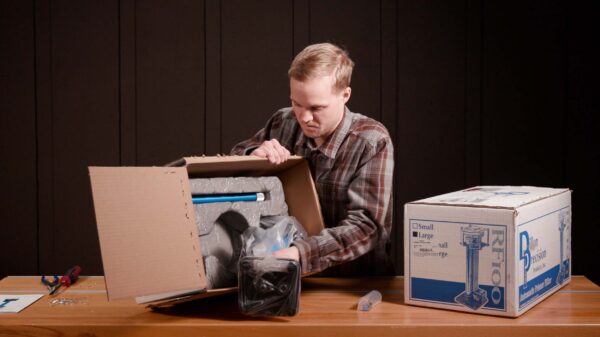
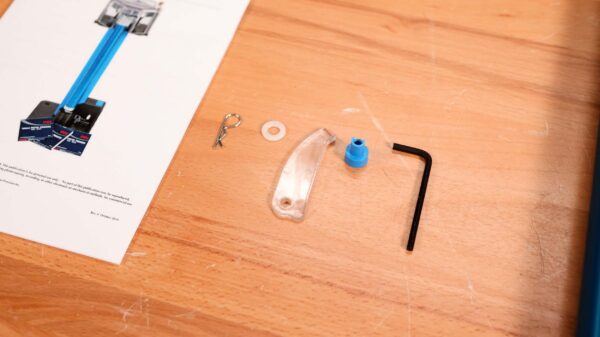
Each unit came with a primer filler tube, Allan key, spare parts, and instructions.
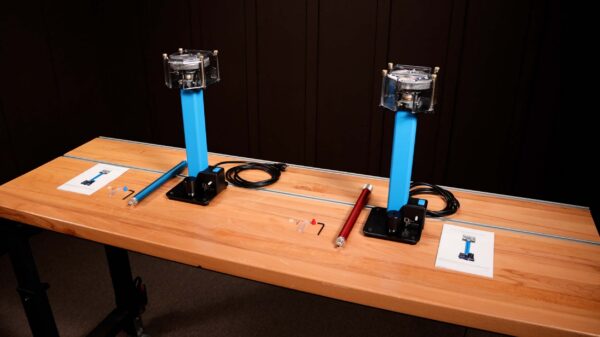
Both RF100 units are powder-coated in Dillon’s iconic blue, though the small version came with a blue primer filler tube and the large version came with a red one.
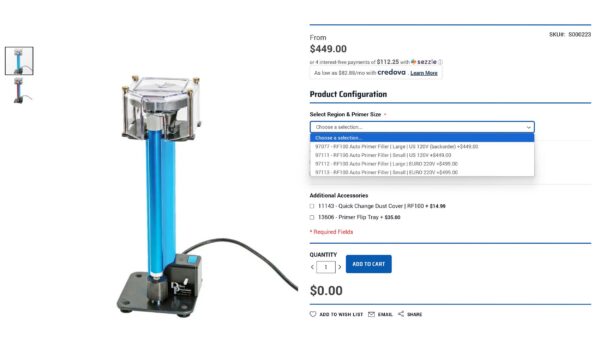
Dillon has conversion kits available to change one RF100 unit from small primer to large primer and vice versa. (Check out this instructional video from Dillon Precision!)
You do not have to own two separate units, though it may be more convenient depending upon what and how much you are loading. For European reloaders, be sure to select the 220V configuration.
Set-Up and Operation
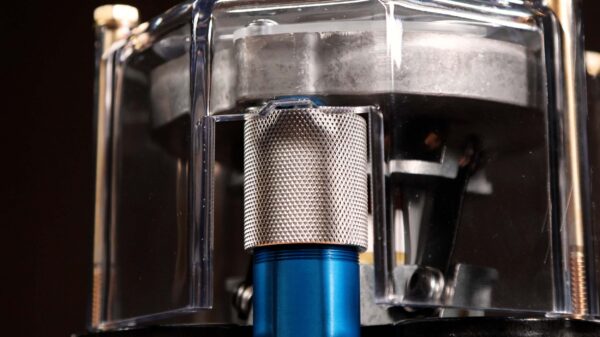
Before installing the primer tube, ensure the knurled knob at the top is snug (not tight), the retaining clip is in place, and that there are no obstructions in the tube.
Next, I torqued the top screws to five-inch-lbs. with a Wheeler torque wrench.
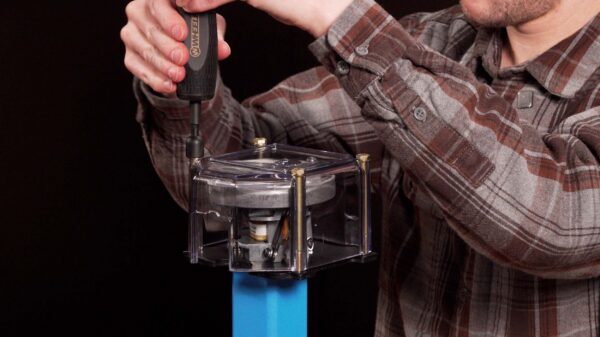
Do NOT adjust any other screws.
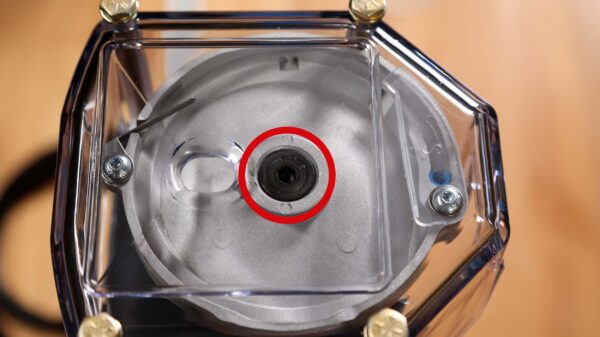
I connected the unit to power and dumped 100 primers onto the top tray. (It’s important to wear safety glasses when working with primers.)
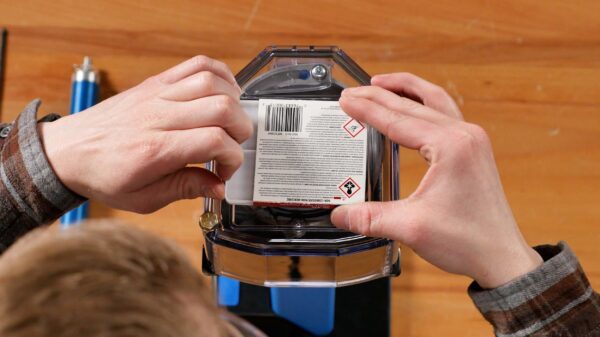
These primers fall through a hole into a secondary tray where they are oriented by an arm-wiper and small metal divots.
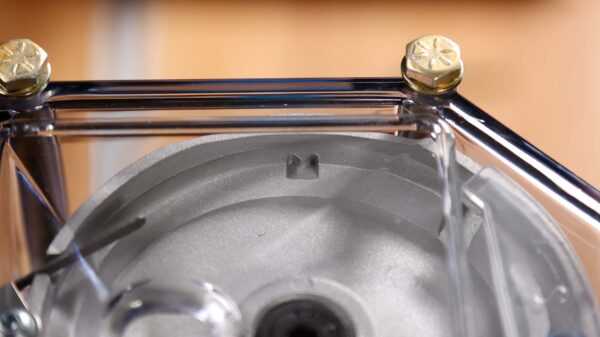
The arm “wipes away” any sideways primers back into the tray while the small divots redirect any incorrectly-oriented primers back into the tray.
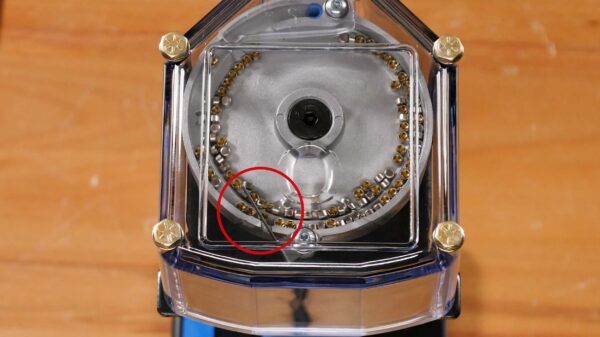
Pressing the blue power button spurs the unit to run for two minutes before automatically powering off. It takes two minutes or less for it to completely fill a primer tube, each of which holds 100 primers.
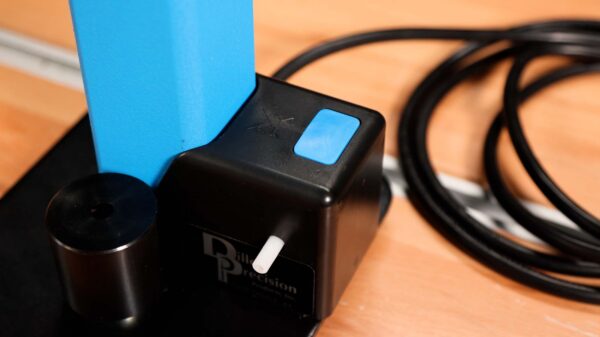
If you notice that the primers are sticking in the top tray, adjust the speed of the unit via the rheostat adjustment knob located near the base of the machine. Keep in mind that primer variances may necessitate adjustments to this knob for each primer type or lot.
Test
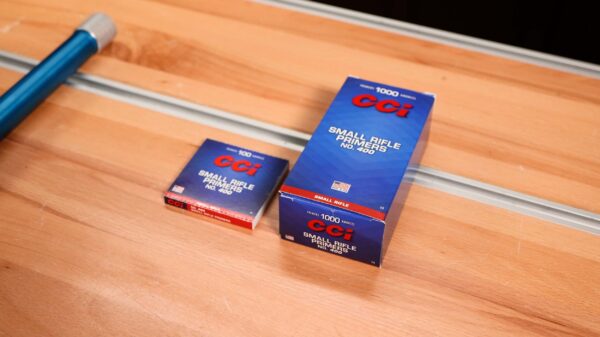
I decided to time exactly how long it would take the RF100 to fill a tube with 100 CCI Small Rifle Primers.
One fell off the top tray onto the bench and I had to help guide the last few primers into the hole of the top tray. This could be solved by making an adjustment to the speed of the unit. This initial run took 52 seconds, but all but one of the primers were in the tube by the 43- second mark.

In order to verify all are properly oriented, I carefully set the tube horizontally on the bench, removed the retention clip, and used a follower to push the primers out of the tube. I did not see any upside-down primers!
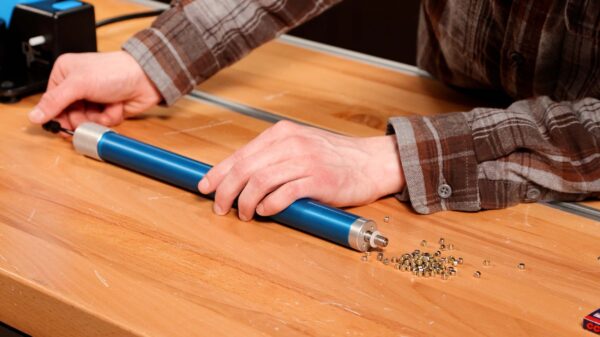
I repeated this experiment four more times and recorded the results. The first run was the fastest at 52 seconds with zero upside-down primers. Across all five tests, only one primer was improperly oriented. I had to use a bit more force than normal to clear the tube from run three, instantly alerting me to the mishap. I’m unsure if I induced this somehow.

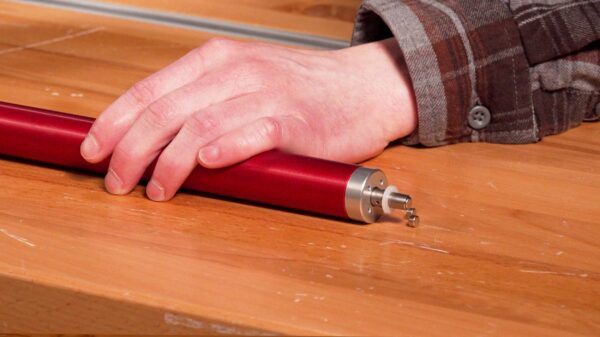
I was very pleased with these results and repeated the same run of tests on the second machine with large rifle primers. They filled significantly faster, all under one minute, with zero upside-down primers across all five runs!
Conclusion
I’ve experimented with a number of different ways of filling primer tubes and it’s always been tedious and time-consuming. I was legitimately impressed by the Dillon RF100 system.

Though less affordable than other options, the RF100 is a definite time-saver and should be of extreme interest to anyone looking to save time loading on a progressive press or reloading commercially.
Get the Gear

*Dillon Precision has since upgraded the RF100 to the second-generation Rapid Primer Filler*
Dillon Primer Filler Conversion/Tube Assembly
Dillon Precision RF100 Primer Filler Overhaul Service
Wheeler Professional Gunsmithing Tools
Primers at Midsouth Shooters Supply
Don’t miss out on Ultimate Reloader updates, make sure you’re subscribed!
Thanks,
Kyle Shields