
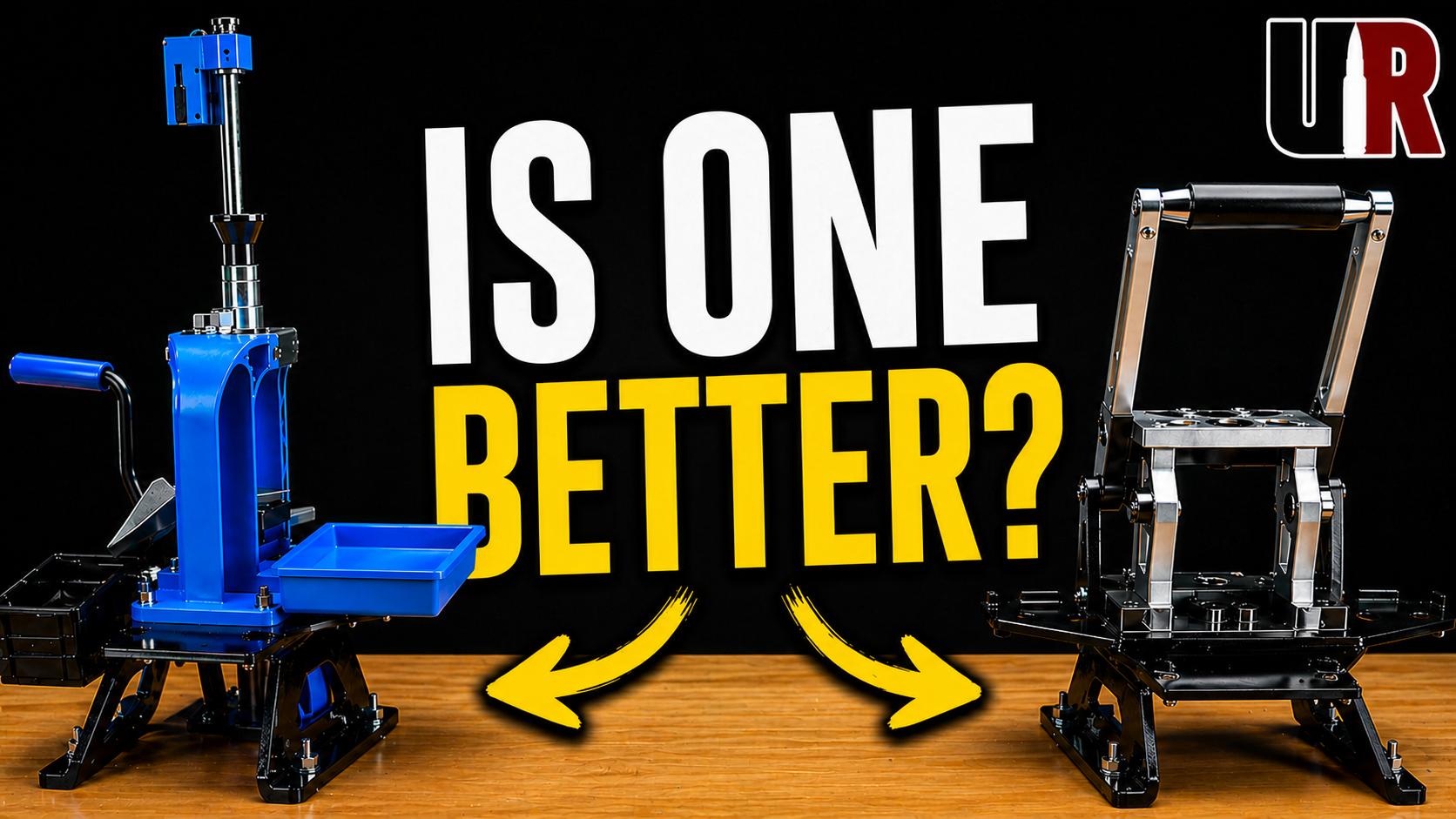
While progressive reloading is faster, many shooters have wondered if they are trading accuracy for speed. In this video, I run a direct test at 600 yards, comparing ammunition loaded on my Short Action Customs single-stage to ammunition loaded on my Dillon 550. Watch and read on for the results!
Disclaimer
Ultimate Reloader LLC / Making with Metal Disclaimer: (by reading this article and/or watching video content you accept these terms). The content on this website (including videos, articles, ammunition reloading data, technical articles, gunsmithing and other information) is for demonstration purposes only. Do not attempt any of the processes or procedures shown or described on this website. All gunsmithing procedures should be carried out by a qualified and licensed gunsmith at their own risk. Do not attempt to repair or modify any firearms based on information on this website. Ultimate Reloader, LLC and Making With Metal can not be held liable for property or personal damage due to viewers/readers of this website performing activities, procedures, techniques, or practices described in whole or part on this website. By accepting these terms, you agree that you alone are solely responsible for your own safety and property as it pertains to activities, procedures, techniques, or practices described in whole or part on this website.
Progressive-vs.-Single-Stage Test
While I’ve long shown that precision ammunition can be loaded on a progressive press, we’ve never conducted a head-to-head test comparing the same precision recipe loaded on two different systems.
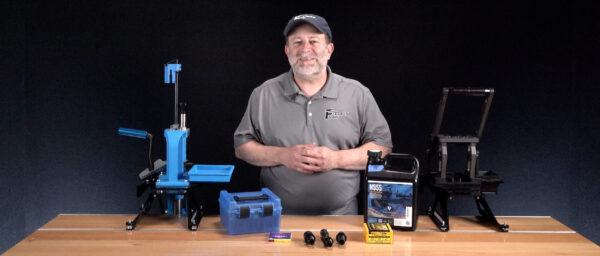
To make the test as fair as possible, I loaded my proven F-Class competition load with the same components and most of the dies I typically use. (I generally seat bullets using an arbor die.)
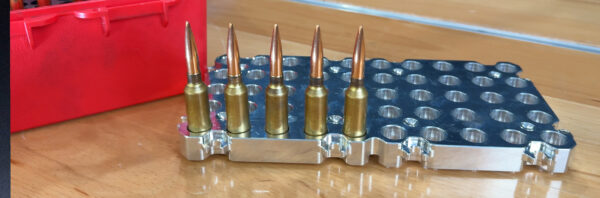
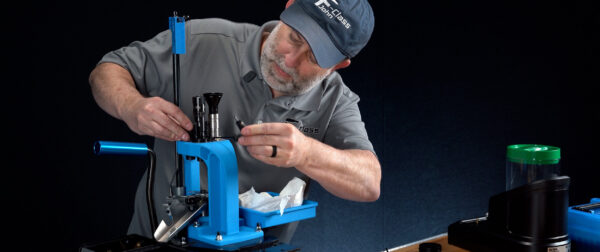
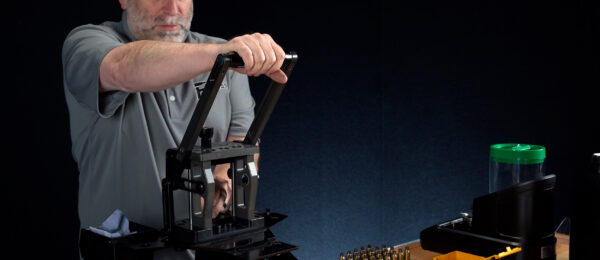
The Dillon 550 is my favorite progressive press and one I have used successfully for some time. I selected the Short Action Customs Nexus single-stage for this comparison as I wanted to compare two top-of-the-line systems.
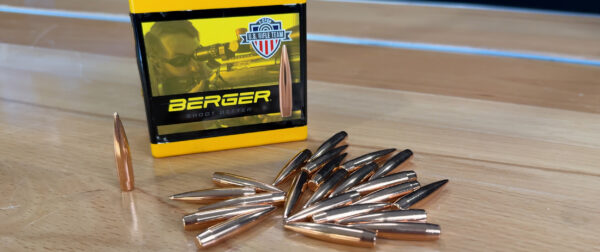
My rifle is chambered for 7LBB, which is a 6.5mm necked up to 7mm with a few case modifications. My competition load combines Berger 180-Grain Hybrid Target Bullets, Lapua brass, Vihtavuori N555, and CCI large rifle primers.
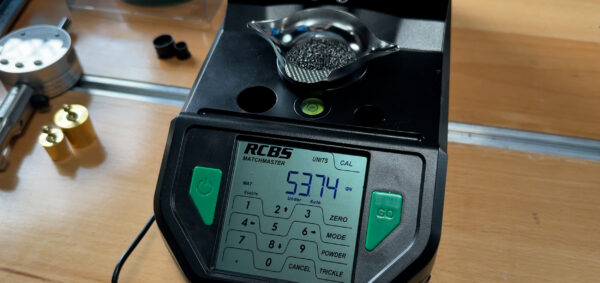
To eliminate confounding variables, I dispensed all powder charges for both presses using the same RCBS MatchMaster powder dispenser. This tool goes down to 0.04 grains.
I did employ two different priming methods – priming on the Dillon 550 versus priming off-press for rounds loaded on the Nexus.
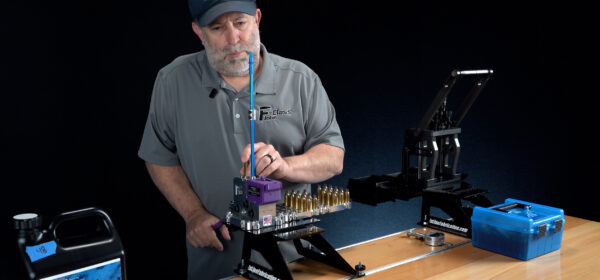
This difference did not concern me as priming on-press with the Dillon demonstrates just one of the time-saving features of the press that make it attractive.
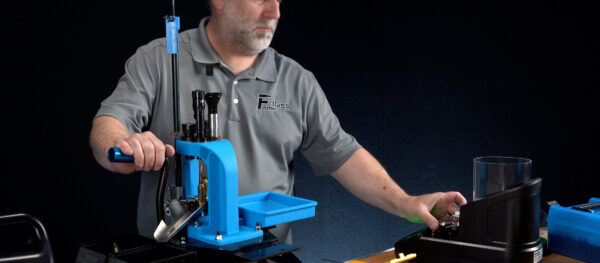
I’ve had extremely consistent shoulder bump across all of the progressive presses I have used and the 550 is no exception.
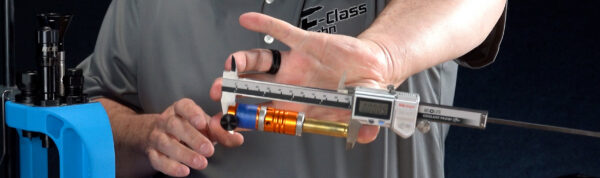
The brass sized on the Nexus press had very similar results.
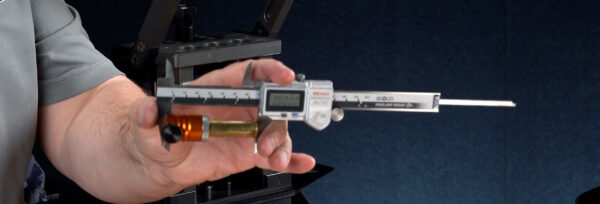
Watch the video to see the full loading process on both presses!
Range Results
I fired both batches through my competition rifle at my home range at 600 yards. Environmental conditions were the same for both batches of ammunition.
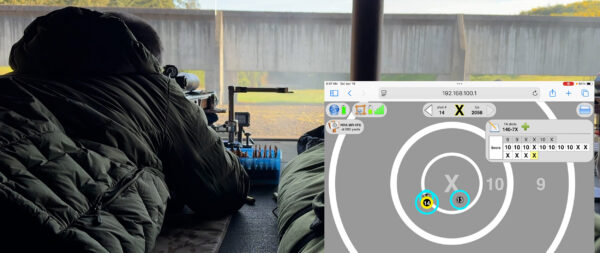
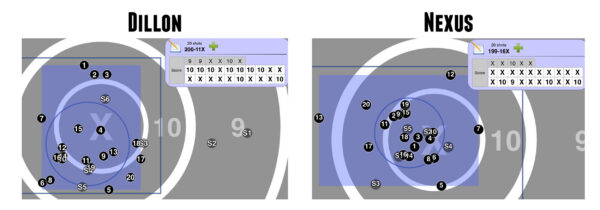
The results were similar, but while at the range I realized that I had made a mistake in my test— the mandrel was in the incorrect position on the 550. To correct this error, I returned home, loaded more ammunition on the Dillon 550 with the mandrel in the correct position and the same components/equipment and fired these rounds. Just as I expected, the ammunition loaded on the single-stage did not outperform the ammunition loaded on the 550.
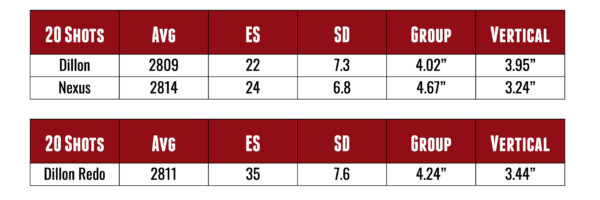
I actually had very similar results with the ammunition loaded on the Dillon with the mandrel in the incorrect position compared to the Nexus ammo which was loaded in the proper sequence. The small observable difference came in at about ⅛ minute of vertical group size, but both batches of ammunition were comparable without one clear winner.
The “Dillon redo” ammunition I loaded returned very similar results as well with a group size right between that of the two original batches.
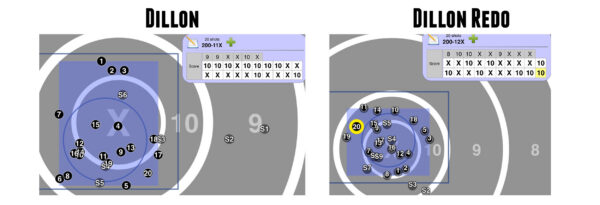
These 20-shot strings are not enough to be statistically significant, but do provide some very interesting data and prove that incredibly consistent, accurate ammunition can be loaded on a progressive press.
Conclusion
This experiment shows exactly what I’ve known all along – accurate, consistent ammunition can be loaded on a progressive press.
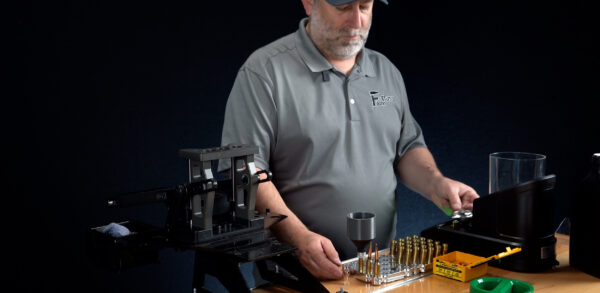
The choice is truly personal, including your process and how you choose to charge cases, etc. Like anything, there is a learning curve. It takes time to develop a consistent rhythm using a progressive press and a bit more experience to be able to understand how all of the stations interact.
Get the Gear
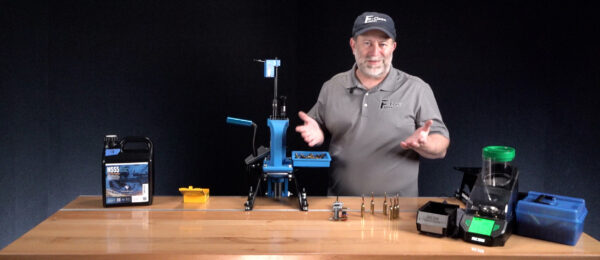
Dillon RL550C at Creedmoor Sports and Midsouth Shooters Supply
Berger Bullets at Creedmoor Sports and Midsouth Shooters Supply
Lapua Brass at Creedmoor Sports and Midsouth Shooters Supply
Vihtavuori Powder at Creedmoor Sports and Midsouth Shooters Supply
Primers at Midsouth Shooters Supply
RCBS MatchMaster Powder Dispenser
Don’t miss out on Ultimate Reloader updates, make sure you’re subscribed!
Thanks,
John Masek
About the author