
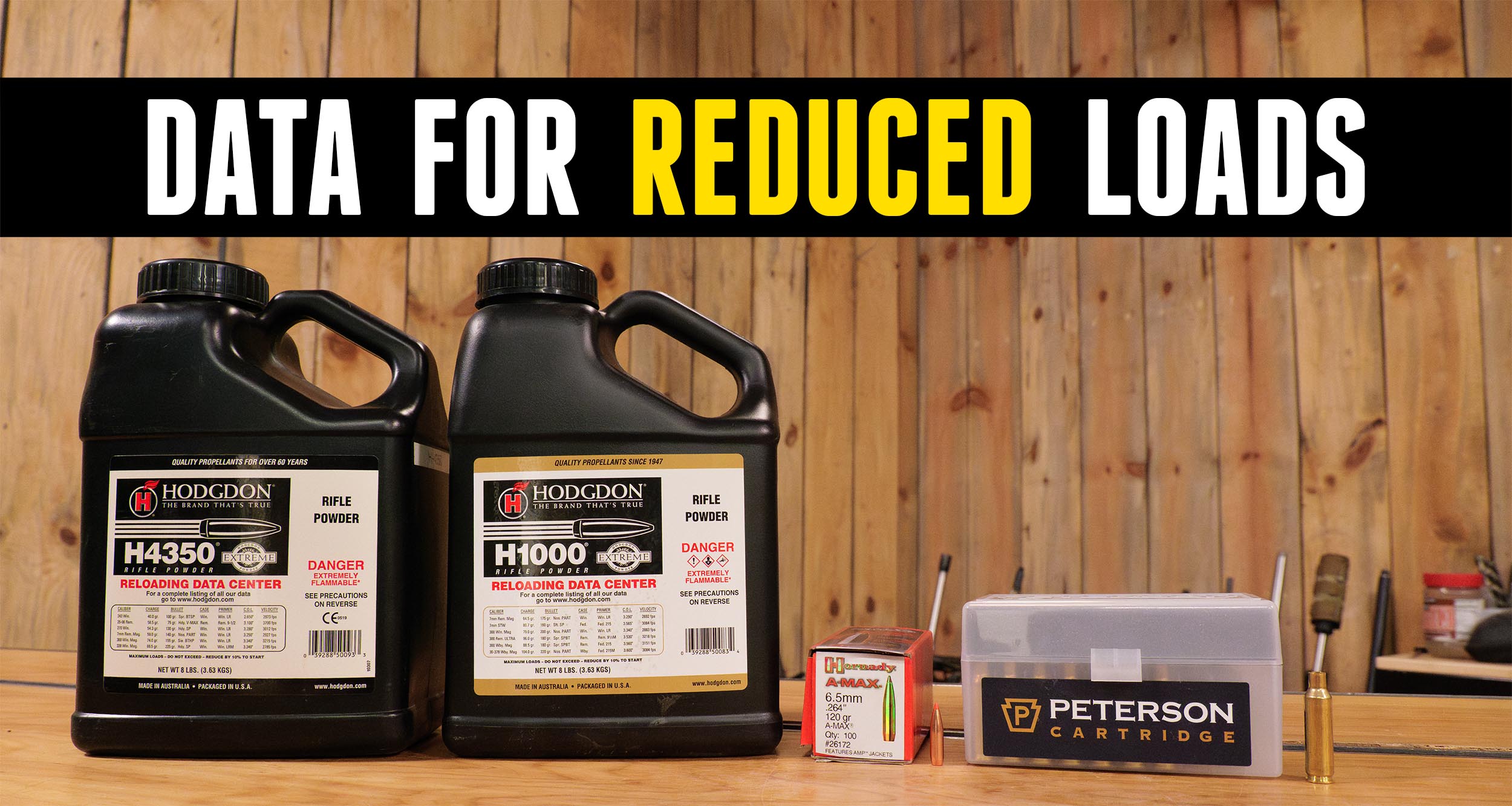
Reduced recoil offers a more enjoyable shooting experience, particularly for smaller-framed shooters. It also allows for faster follow-up shots. Hodgdon’s Online Reloading Data Center includes a library of special Reduced Loads data to help shooters reduce recoil via their ammunition!
Disclaimer
Ultimate Reloader LLC / Making with Metal Disclaimer: (by reading this article and/or watching video content you accept these terms). The content on this website (including videos, articles, ammunition reloading data, technical articles, gunsmithing and other information) is for demonstration purposes only. Do not attempt any of the processes or procedures shown or described on this website. All gunsmithing procedures should be carried out by a qualified and licensed gunsmith at their own risk. Do not attempt to repair or modify any firearms based on information on this website. Ultimate Reloader, LLC and Making With Metal can not be held liable for property or personal damage due to viewers/readers of this website performing activities, procedures, techniques, or practices described in whole or part on this website. By accepting these terms, you agree that you alone are solely responsible for your own safety and property as it pertains to activities, procedures, techniques, or practices described in whole or part on this website.
Why Run Reduced Loads?
Reduced loads offer less recoil, which is particularly advantageous for smaller-framed and youth shooters, as well as prolonged barrel life. They also equate to less meat damage for hunting and create less pressure than full loads, allowing use in older, historic firearms that can’t handle the pressure of today’s regular loads.

There are several things to consider when loading reduced loads. It’s imperative that the powder charge used is burned completely and is enough to propel the bullet out of the barrel. There is greater potential for squib loads with reduced loads. Stuck bullets which can create a safety hazard.
Some semi-automatics, like the AR-10, may not cycle reliably with reduced-loads. They need to have enough energy to send the bolt back. Reduced loads can also have inconsistent velocities if the powder charge isn’t in the “sweet spot” for its burn potential. This can contribute to decreased accuracy.
About Hodgdon’s Reduced Load Data
Hodgdon’s library offers a reliable source of reduced-recoil data that eliminates hours of trial and error! Open the Hodgdon Online Reloading Data Center and select “Reduced Recoil” below the cartridge filter.
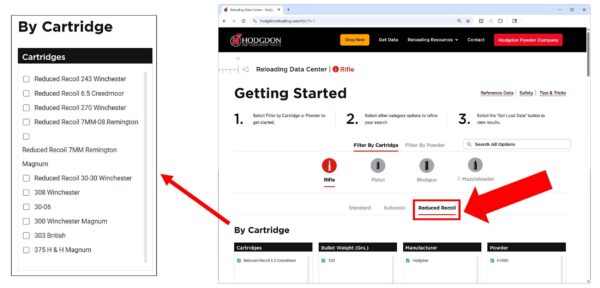
From this point, you can select the cartridges, bullet weights, and powders you are interested in data for.
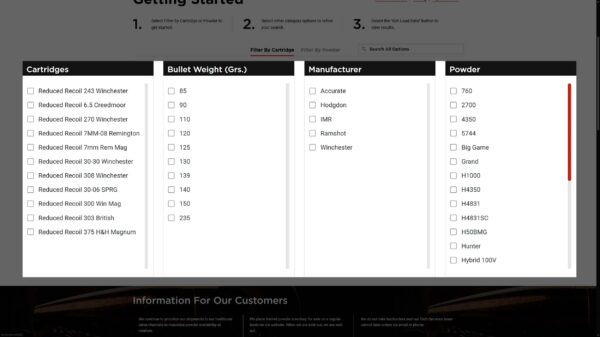
Hodgdon currently offers reduced data for 243 Winchester, 6.5 Creedmoor, 270 Winchester, 7mm-08 Remington, 7mm Rem Mag, 30-30 Winchester, 308 Winchester, 30-06 Springfield, 300 Win Mag, 303 British, and 375 H&H Magnum.
Loads and Recoil Rig Testing
I wanted to run a direct comparison between Hodgdon reduced load data and Hodgdon conventional load data, using the same bullet weight, rifle, and recoil rig.
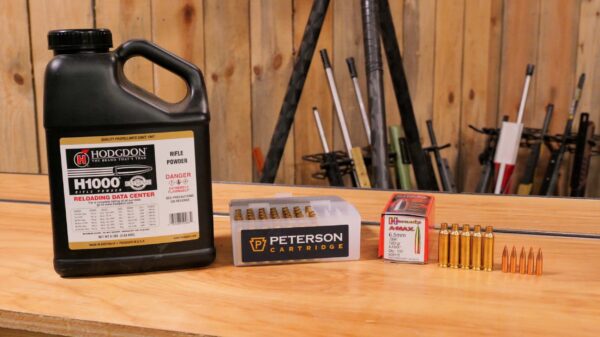
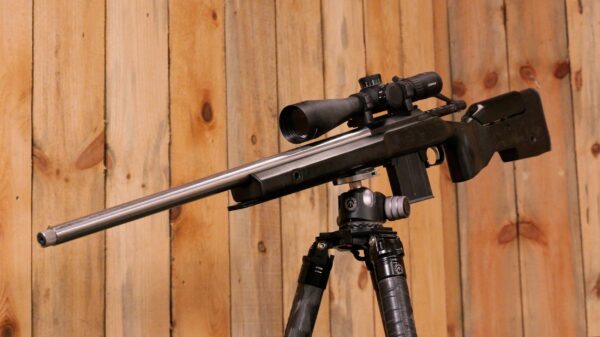
I decided to use my custom-built 6.5 Creedmoor, Peterson Brass, and the Hornady 120-grain A-Max, using 41.3 grains of H1000 for the reduced load and 45.0 grains of H4350 for a max conventional load.

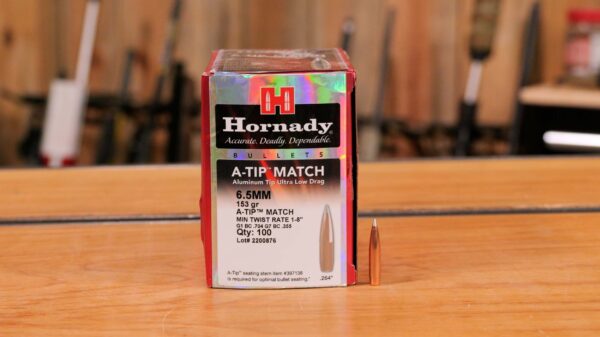
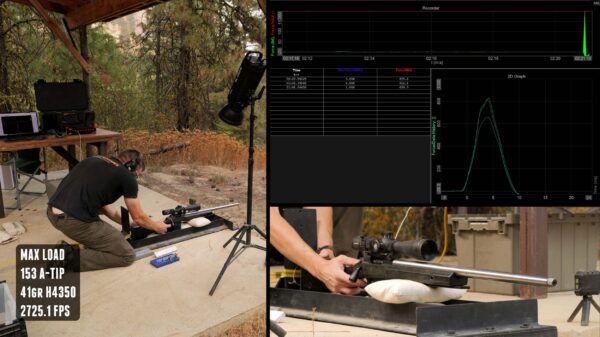
I also decided to add a max load for a heavy bullet to include as a comparison, selecting the Hornady 153-Grain A-Tip Match bullet.
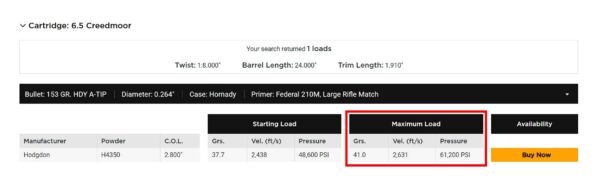
Hodgdon’s data cited a 2,631 fps velocity with 61,200 PSI of pressure from a maximum load of 41.0 grains of H4350.
Our recoil rig is based off of a design from Cal Zant from the Precision Rifle Blog and measures forces at the buttstock at up to 200,000 samples per second. It utilizes the DEWEsoft Sirius 8-Channel DAC and a PCB Piezoelectronics load cell to capture directly comparable results.
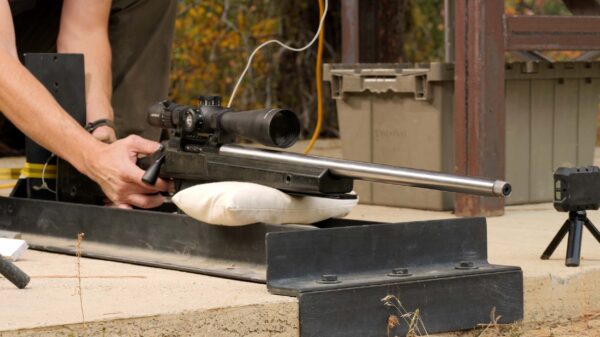
Keep in mind that the recoil rig measures the forces as if against a wall. The shooter will NOT feel the full peak forces captured as the forces will be spread out over a short period of time due to the compressibility of the human body.
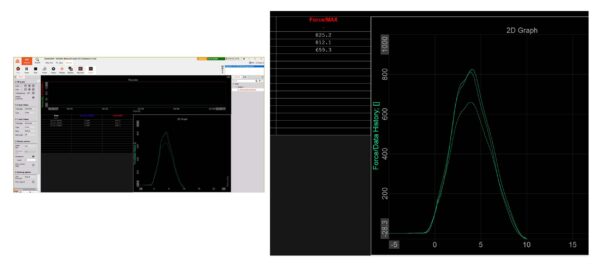
DEWEsoftX software helps us to quickly evaluate our data using graphs created in real-time. Both conventional max loads had approximately the same amount of recoil, while the reduced load was considerably lower.
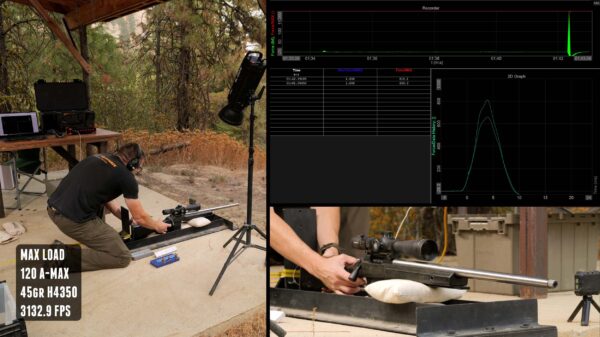
This suggests that simply moving to a lighter weight bullet doesn’t necessarily decrease felt recoil. Hodgdon’s reduced recoil data is also downloaded and doesn’t just use a lighter bullet.
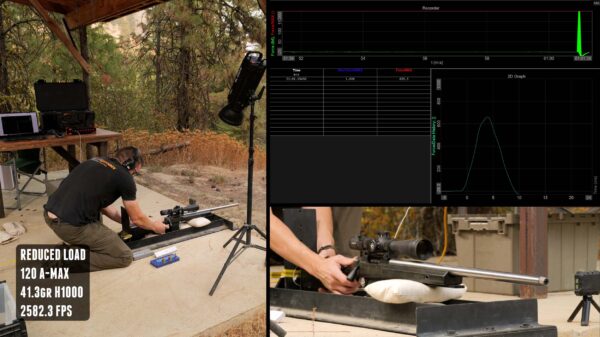
The reduced load had a peak force of 659.3 lb. with a velocity of 2,582.3 fps.

The max 120-grain load had a 23% greater peak force than the reduced load and a velocity of 3,132.9 fps. The 153-grain load had a 25% greater peak force over the reduced loads with a velocity of 2,725.1 fps.
Conclusion
Reduced loads are incredibly versatile and I love the flexibility they offer to allow more comfortable shooting of heavier-recoiling rifles. They require some extra care and attention, but solve specific problems. Kudos to Hodgdon for their extensive testing and providing such data for the public to use! (They also offer subsonic loads.)
Get the Gear
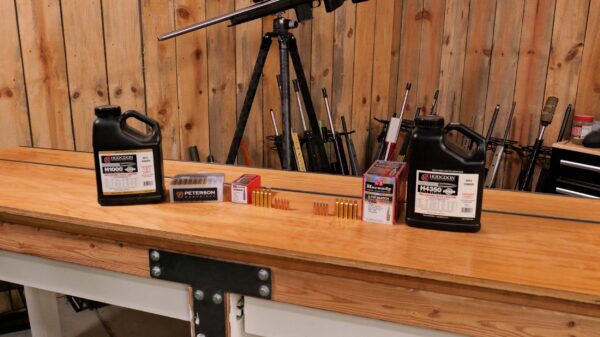
Hodgdon Online Reloading Data Center
Hodgdon H1000 at Midsouth Shooters Supply
Hodgdon H4350 at Midsouth Shooters Supply
Hornady 6.5mm 153-Grain A-Tip Match Bullets at Midsouth Shooters Supply
Peterson 6.5 Creedmoor Brass at Creedmoor Sports
Don’t miss out on Ultimate Reloader updates, make sure you’re subscribed!
Thanks,
Gavin Gear
About the author