
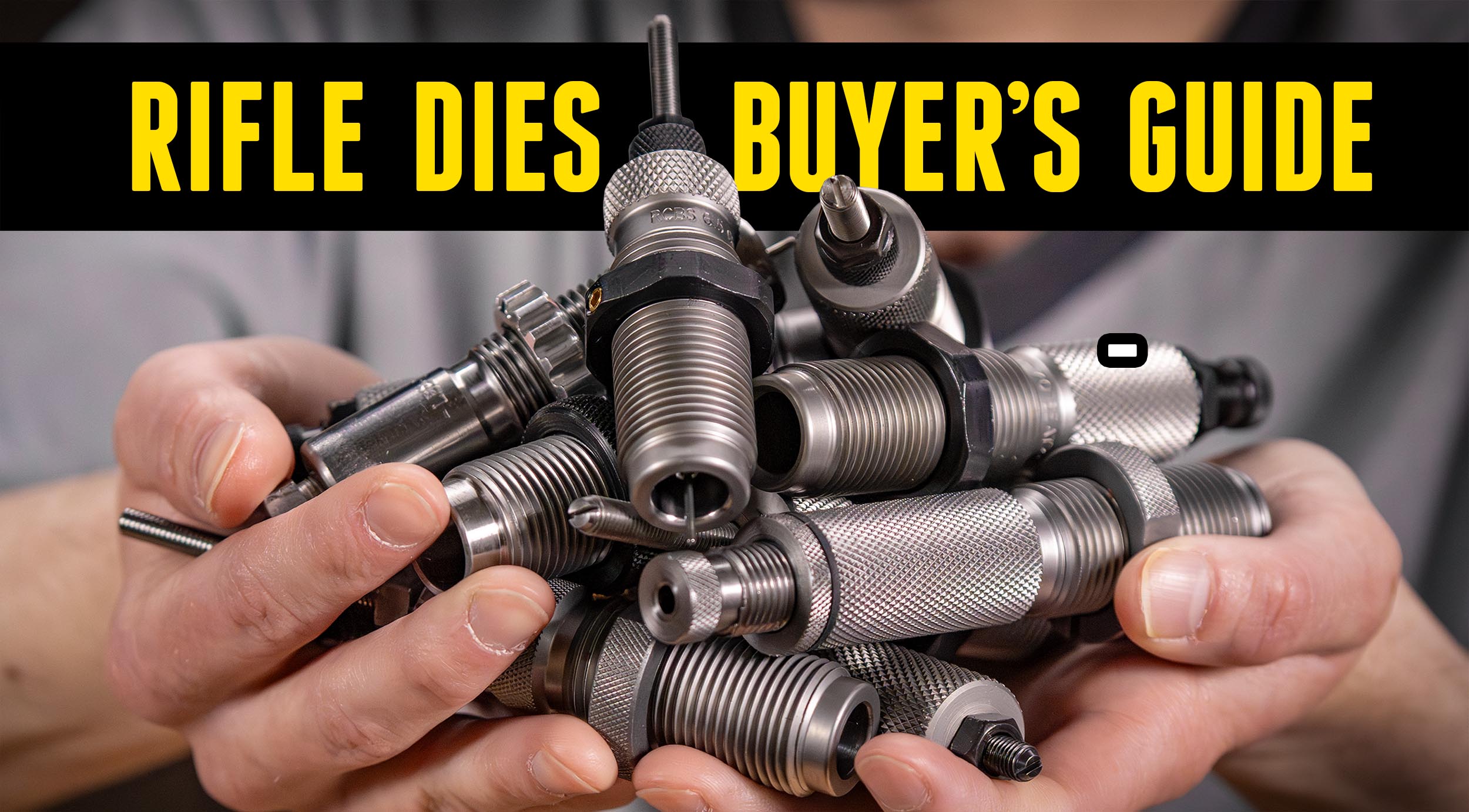
If you are new to rifle reloading, this is the guide for you. We recently teamed up with Midsouth Shooters Supply to bring you a comprehensive overview of pistol dies, and today, we are giving rifle dies the exact same treatment.
When it comes to rifle reloading, there are significantly more considerations and a much broader spectrum of equipment compared to pistol dies. You can really get into the weeds depending on your budget, your threading specifications, and your shooting application—whether you are hunting, plinking, or shooting precision benchrest. I will cover both common and less common rifle die types, their functions, and how to choose what is right for your bench.
Disclaimer
Ultimate Reloader LLC / Making with Metal Disclaimer: (by reading this article and/or watching video content you accept these terms). The content on this website (including videos, articles, ammunition reloading data, technical articles, gunsmithing and other information) is for demonstration purposes only. Do not attempt any of the processes or procedures shown or described on this website. All gunsmithing procedures should be carried out by a qualified and licensed gunsmith at their own risk. Do not attempt to repair or modify any firearms based on information on this website. Articles on this website are derived from original video content and may utilize artificial intelligence (AI) tools for initial drafting, transcript processing, and editorial refinement; no AI technology independently generates or verifies technical instructions or safety data. Ultimate Reloader, LLC and Making With Metal can not be held liable for property or personal damage due to viewers/readers of this website performing activities, procedures, techniques, or practices described in whole or part on this website. By accepting these terms, you agree that you alone are solely responsible for your own safety and property as it pertains to activities, procedures, techniques, or practices described in whole or part on this website.
The Common Rifle Die Types
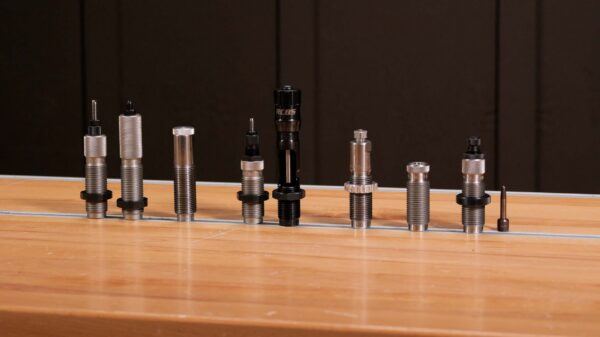
The reloading market offers everything from mild to wild. To understand what you need, you have to understand the specific functions of the tools available.
Basic Die Sets
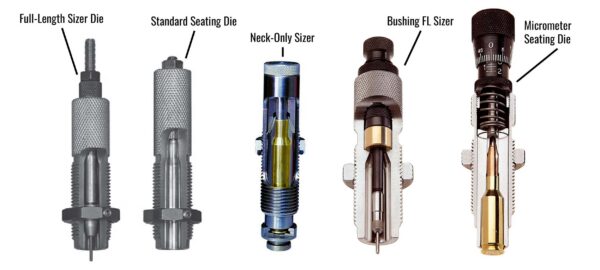
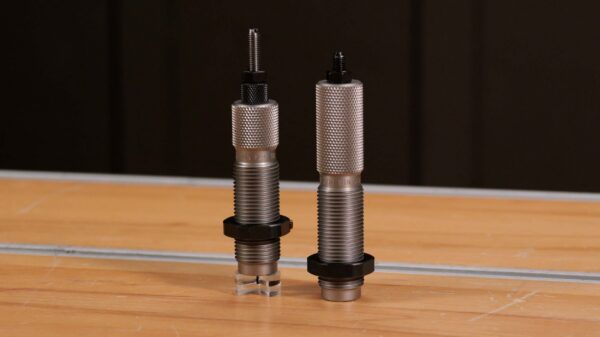
A basic set usually includes a standard full-length sizer and a simple seating die without a micrometer. These do exactly what they say on the tin. Honestly, I prefer dies like this for my less common cartridges, like the 30-30 Winchester. I like to set my equipment up, lock it down, and forget about it. They are simple, efficient, and get the job done.
Neck Sizing and Body Dies
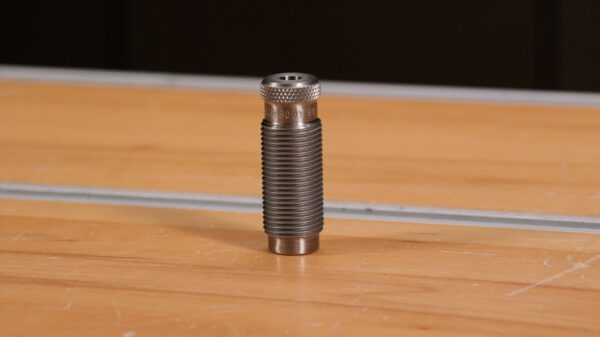
While full-length sizing is the standard for most modern reloaders, there are alternative processes. Body only dies size the body of the case and bumps the shoulder, but completely ignores the neck.
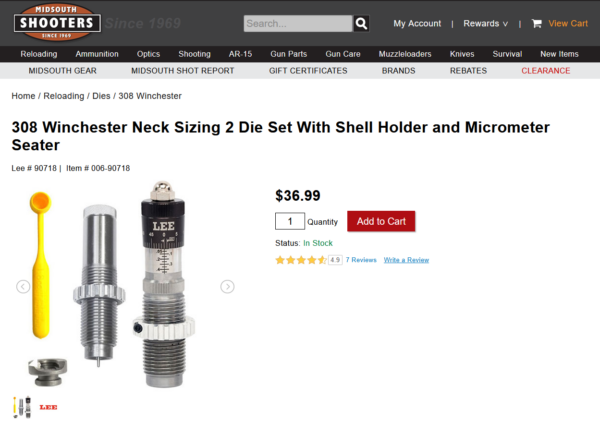
A popular example of a neck sizing only die is the Lee collet die. It squeezes the neck against a mandrel but leaves the body untouched.
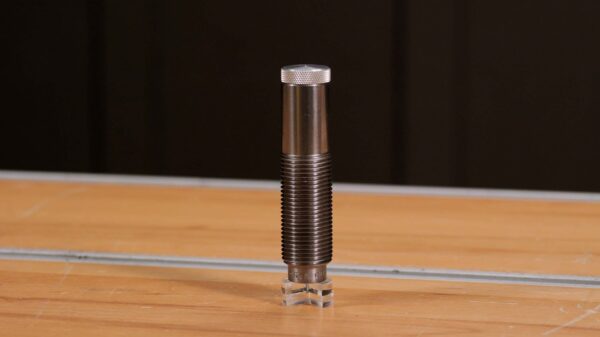
Years ago, I used this combination for my 6.5 Creedmoor. I would run the brass through the body die first, followed by the neck sizing die, to separate the operations. Today, I personally prefer the simplicity and speed of standard full-length sizing, but these dies offer total granular control if you want to experiment with your process.
Other Rifle Die Types
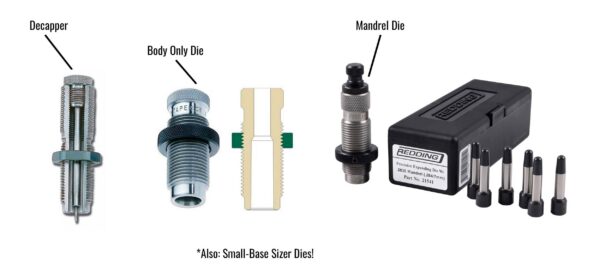
When shooters want absolute control over neck tension for precision applications, they turn to interchangeable parts.
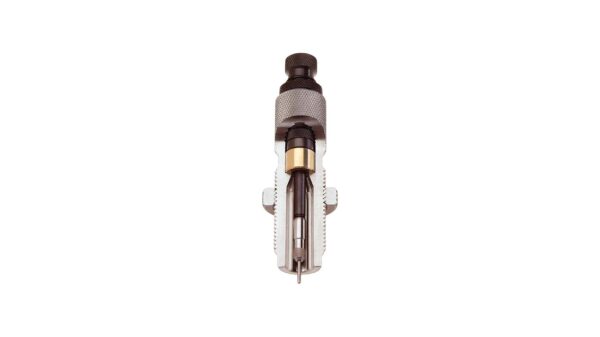
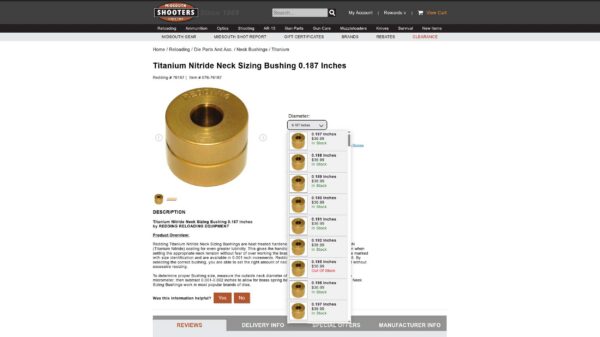
Bushing Full-Length Sizers: Inside the top of the die, you can drop in specific cylindrical bushings (e.g., .240″, .241″, .242″) to squeeze the outside of the case neck to an exact tension. While incredibly popular, keeping track of different bushings and the potential for inducing runout has kept me away from them.
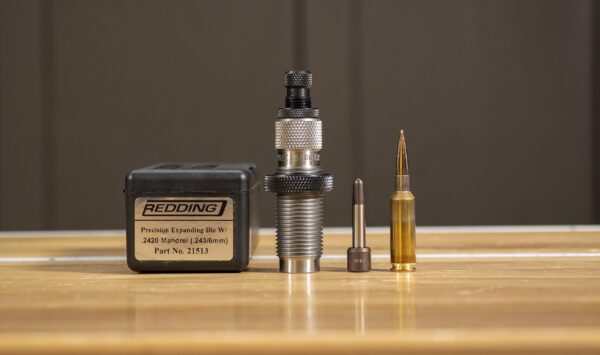
Mandrel Dies: Instead of squeezing the outside of the neck, a mandrel die uses an internal pin to push the inside of the case neck out to a precise diameter. This makes for an incredibly smooth process, especially on a progressive press, and pushes any brass imperfections to the outside of the case.
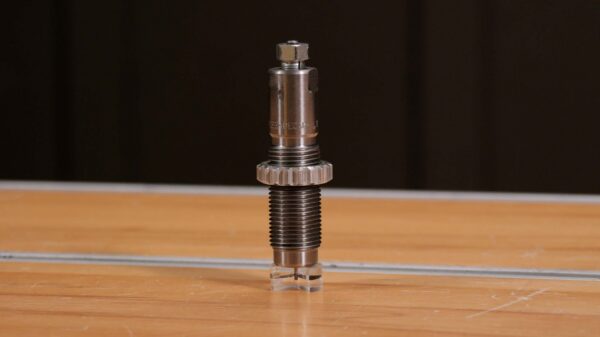
The Universal Decapping Die
This die does one thing: it punches out the spent primer without sizing the brass. If you like to decap your brass before throwing it into a wet tumbler to get your primer pockets spotless, or if you prefer to decap before running your brass through an annealing machine, a dedicated decapping die is a cheap and vital tool to have on the bench.
The Price and Quality Spectrum
Rifle dies scale drastically in price depending on the manufacturing tolerances and features provided.
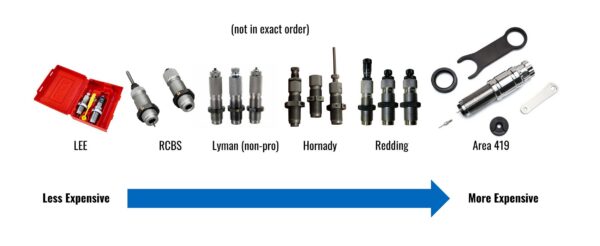
The Value Tier: LEE Precision makes fantastic, highly affordable dies. They are widely known for their value proposition, and my Lee 30-30 dies are still running strong. If you are a beginner, this is a great place to start.
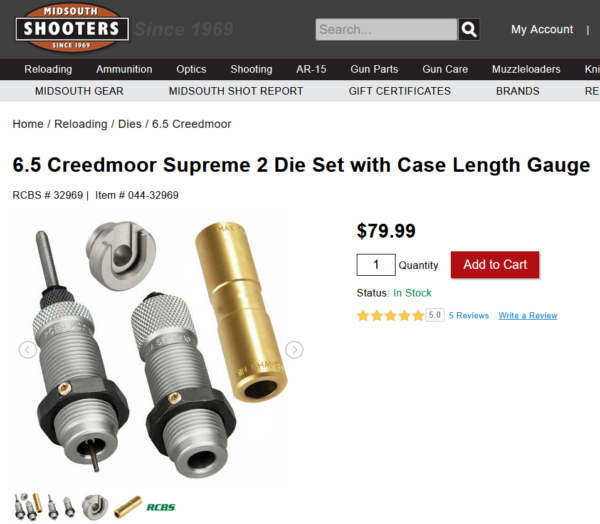
The Mid-Tier: Brands like RCBS, Lyman, Hornady, and Redding occupy the massive middle ground. These dies offer excellent internal surface finishes and durability. For instance, the RCBS Supreme die set I recently used for a 6mm Creedmoor build impressed me heavily—the seating die left absolutely no marks on the bullet ogive, and it shipped conveniently with a case gauge and shell holder in the box.
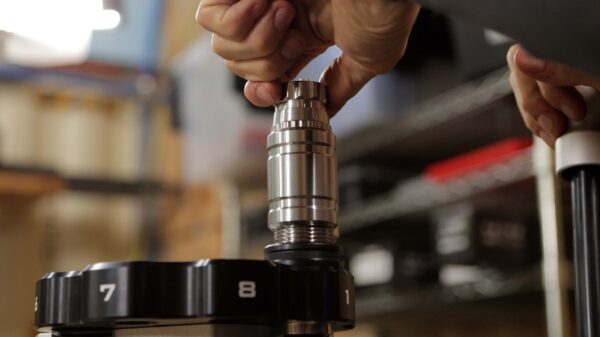
The Premium Tier: Companies like Area 419 produce ultra-premium dies. These high-end options often feature advanced capabilities, like micro-adjustable shoulder bump mechanics. You pay a premium, but you get uncompromising quality.
What to Look For
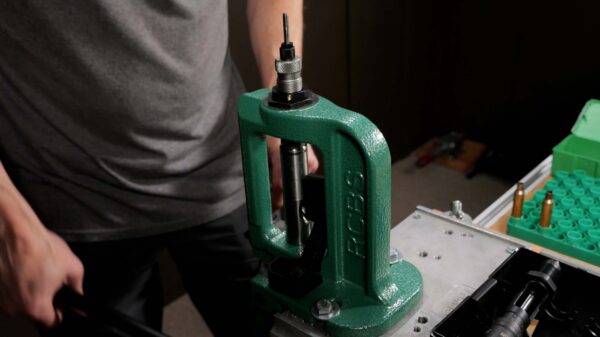
Regardless of what you pay, there are critical quality aspects to monitor on any die set:
- Interior Surface Finish: A rough interior will scratch and scuff your brass. Modern RCBS and Redding dies boast almost mirror-like internal finishes that treat brass beautifully.
- Thread Quality: Your dies should thread into your press smoothly, without sharp burrs or gritty resistance.
- Expander Ball Finish: The expander ball pulling back through the case neck can induce runout if it is rough. A highly polished expander ensures smooth extraction and consistent neck tension.
- Rust Resistance: Keep your dies oiled. While some manufacturers apply better rust-preventative coatings than others, any die can develop surface rust if left unprotected in a humid garage.
Conclusion
If I had to recommend a starting point for a brand-new user, I would advise picking up a simple, basic die set from any of the major brands. Learn the fundamentals, find out what you actually need, and then upgrade your setup as your experience grows.
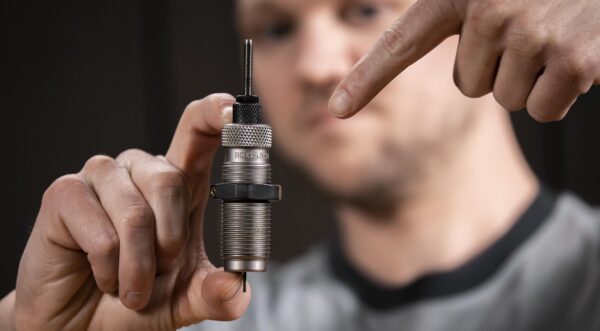
Get the Gear
Midsouth Shooters Supply offers a wide variety of dies and reloading equipment!
Don’t miss out on Ultimate Reloader updates, make sure you’re subscribed!
Thanks,
Kyle Shields
About the author