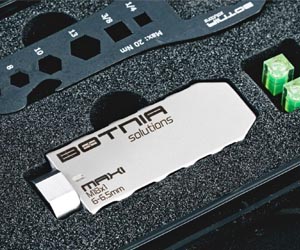

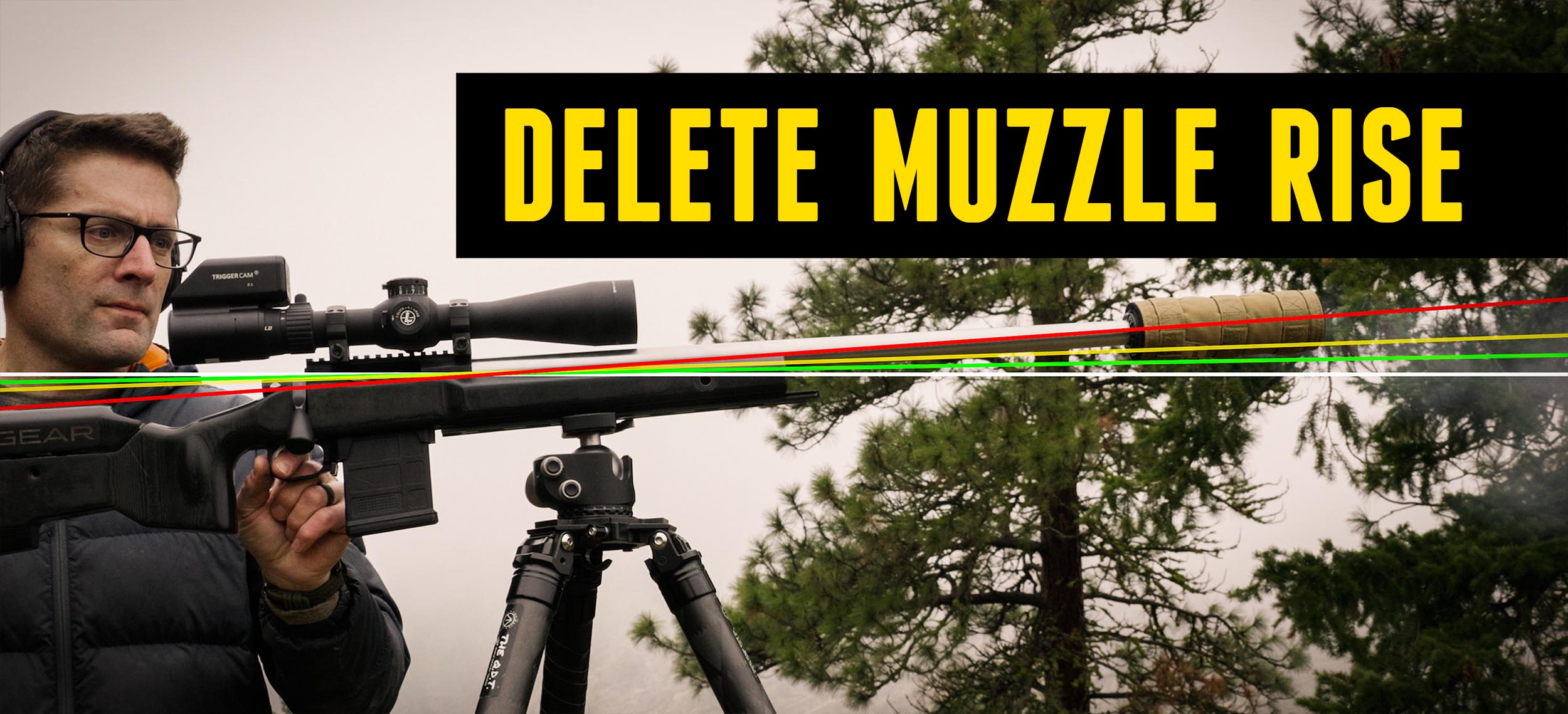
There has been a lot of talk about Area 419, suppressors, and high-performance muzzle brakes like the Botnia lineup—including the Mini, MIDI, and Maxi—and how effective they really are. In a previous test, we showed over an 80% reduction in peak recoil forces on our laboratory recoil rig. But what about practical, real-world results in the field? In this article, we’re going to correlate those lab numbers to actual bench, prone, and positional PRS shooting!
Disclaimer
Ultimate Reloader LLC / Making with Metal Disclaimer: (by reading this article and/or watching video content you accept these terms). The content on this website (including videos, articles, ammunition reloading data, technical articles, gunsmithing and other information) is for demonstration purposes only. Do not attempt any of the processes or procedures shown or described on this website. All gunsmithing procedures should be carried out by a qualified and licensed gunsmith at their own risk. Do not attempt to repair or modify any firearms based on information on this website. Articles on this website are derived from original video content and may utilize artificial intelligence (AI) tools for initial drafting, transcript processing, and editorial refinement; no AI technology independently generates or verifies technical instructions or safety data. Ultimate Reloader, LLC and Making With Metal can not be held liable for property or personal damage due to viewers/readers of this website performing activities, procedures, techniques, or practices described in whole or part on this website. By accepting these terms, you agree that you alone are solely responsible for your own safety and property as it pertains to activities, procedures, techniques, or practices described in whole or part on this website.
The Test Setup
To evaluate how these devices perform in the real world, we set up a classic PRS rifle representative of what many competitors run:
- Action: BAT TR
- Barrel: 26-inch 6.5 Creedmoor
- Stock: Foundation Centurion
- Optic: Leupold Mark 5HD 6-24×52 equipped with a Trigger Cam to capture through-the-scope footage.
We compared three distinct muzzle configurations: a quality suppressor (specifically a Southern Crows hybrid), the Area 419 Hellfire Match (a highly effective 4-port brake), and the Botnia Maxi. For each test, we aimed precisely at the same point of impact and observed how far the crosshairs were pushed off target after the shot broke.
Bench, Prone, and Tripod Results
We evaluated three practical shooting scenarios:
- Bench Testing (100 Yards): Shooting from the bench at a standard 8.5×11 paper target, the suppressor pushed the sight picture completely off the target page. The Area 419 Hellfire Match brought the settling point right to the edge of the paper. The Botnia Maxi, however, kept the post-shot view comfortably on the sheet of paper.
- Prone Long-Range Testing (670 Yards): Facing challenging conditions and some mirage, we aimed at a distinct triangular section of a rock. When firing with the suppressor, the recoil threw the view completely off the rock. The Hellfire Match stopped at the very edge of the rock. With the Botnia Maxi, there was barely any shift from the point of aim.
- Tripod Free-Recoil Testing: Simulating positional barricade shooting, we mounted the rifle on a tripod, pinched the trigger guard and trigger together, and allowed the rifle to free-recoil. The suppressor sent the view clear off the rock, and the Hellfire Match pushed to the edge. The Botnia Maxi exhibited almost zero movement from the point of aim.
Why Sight Picture Retention Matters
In practical competition (like PRS or NRL Hunter), managing recoil isn’t about tolerating discomfort in your shoulder—it’s entirely about retaining your sight picture.
Being able to immediately see your trace, your impacts, and your misses (e.g., recognizing whether you missed left or right so you can instantly hold-over for a follow-up shot) is the difference between winning and losing. While a suppressed 6.5 Creedmoor gives a long, heavy push and a standard 4-port brake helps significantly, the Botnia Maxi takes things to an entirely different level by keeping the muzzle completely planted.
Conclusion
The Botnia brakes prove that special internal geometry and extra muzzle weight can dramatically alter rifle dynamics, yielding over 80% reductions in peak forces that directly translate to rock-solid stability in the field.
What questions do you have about the Botnia muzzle brake lineup, and are you currently running a high-performance brake on your match or hunting rig? Drop a comment below!
Get the Gear
Don’t miss out on Ultimate Reloader updates, make sure you’re subscribed!
Thanks,
Gavin Gear
About the author