
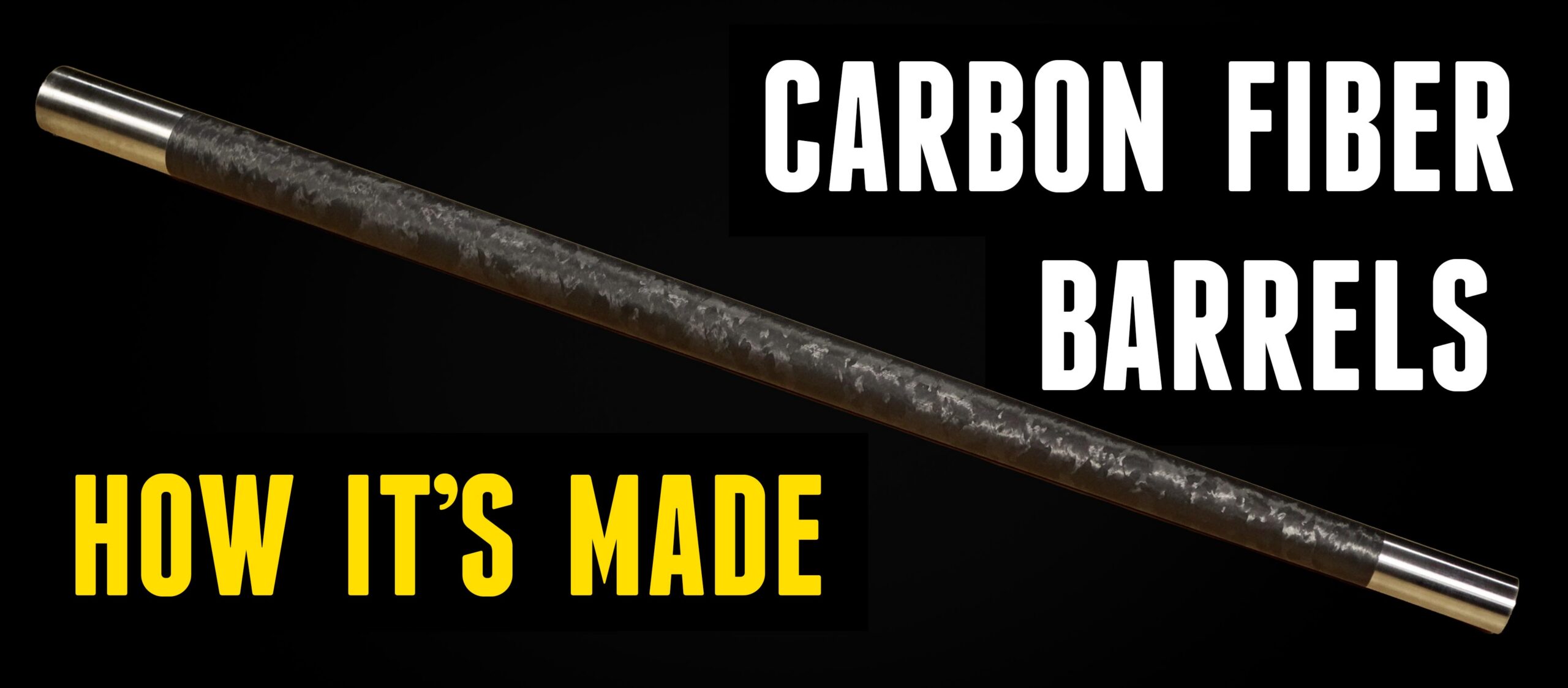
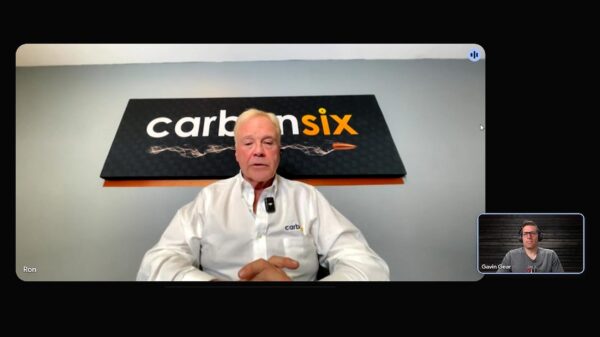
Carbon-wrapped rifle barrels have become increasingly popular for hunters and precision shooters looking to shed significant weight without sacrificing accuracy. But how are carbon barrels actually engineered, and what separates a well-built carbon barrel from the rest? To find out, I sat down with Ron Duplessis, owner of Carbon Six Barrels, to discuss the engineering, manufacturing physics, tensioning techniques, and performance behind modern carbon-wrapped barrels. Watch and read on for the full inside look!
Disclaimer
Ultimate Reloader LLC / Making with Metal Disclaimer: (by reading this article and/or watching video content you accept these terms). The content on this website (including videos, articles, ammunition reloading data, technical articles, gunsmithing and other information) is for demonstration purposes only. Do not attempt any of the processes or procedures shown or described on this website. All gunsmithing procedures should be carried out by a qualified and licensed gunsmith at their own risk. Do not attempt to repair or modify any firearms based on information on this website. Articles on this website are derived from original video content and may utilize artificial intelligence (AI) tools for initial drafting, transcript processing, and editorial refinement; no AI technology independently generates or verifies technical instructions or safety data. Ultimate Reloader, LLC and Making With Metal can not be held liable for property or personal damage due to viewers/readers of this website performing activities, procedures, techniques, or practices described in whole or part on this website. By accepting these terms, you agree that you alone are solely responsible for your own safety and property as it pertains to activities, procedures, techniques, or practices described in whole or part on this website.
Why Carbon? Beyond Weight Savings
While carbon barrels can remove up to 50% of specific barrel weight while maintaining or improving accuracy, Ron Duplessis explains that the true engineering advantages come down to two core principles: stiffness and the reduction of transmitted harmonic vibration.
Many early carbon barrel makers focused heavily on thermal conductivity. However, because carbon is a thermal insulator while steel conducts heat and expands differently, Carbon Six found that chasing conductivity was largely ineffective for bolt-action rifles. High-rate, rapid-fire platforms (like full-auto AR-15s cycling 600 rounds a minute) generate extreme heat quickly, but traditional bolt-action hunting and precision rifles rarely reach those thermal thresholds.
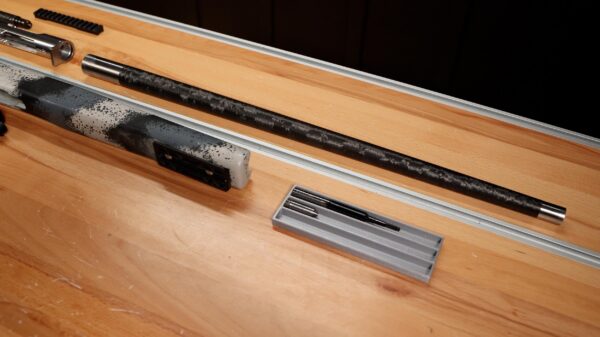
Instead, Carbon Six focused entirely on barrel tensioning and harmonic damping. By optimizing tension and design, Carbon Six barrels reduce transmitted harmonic vibration—running in the 78–80 range compared to 110+ on other setups. Less whip at the muzzle directly translates to consistent, highly accurate shot groups.
The Engineering & Manufacturing Process
Carbon Six rejects the common “wrap it like a tire” layering method used by some manufacturers, opting instead for a scientifically proven crosshatch pattern.
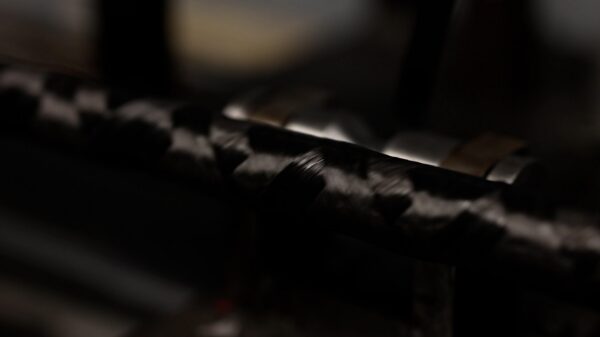
Carbon Six models their wrap angle after research from NASA, which determined that a 45-degree crosshatch wrap angle provides the ultimate configuration for burst strength and structural integrity in high-pressure vessels. Rather than running dry fibers through a messy resin bath and activator (which introduces inconsistent variables), Carbon Six utilizes a pre-impregnated (“pre-preg”) carbon fiber ribbon sourced from an aerospace supplier.
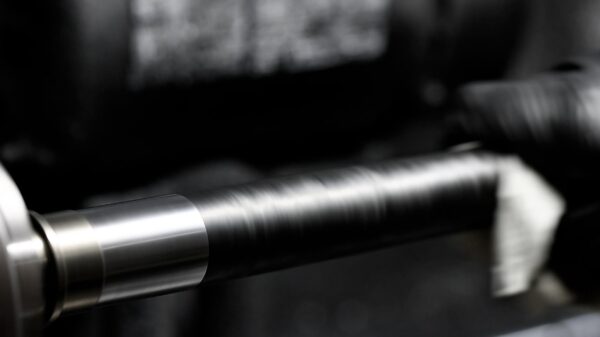
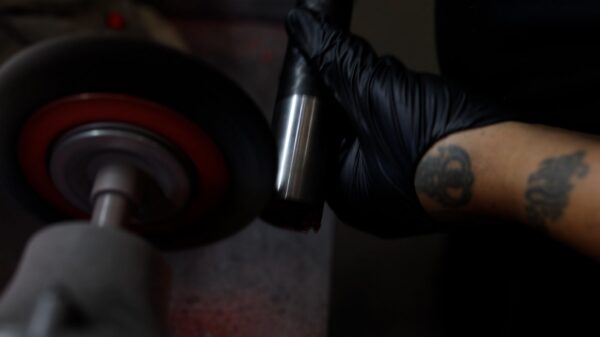
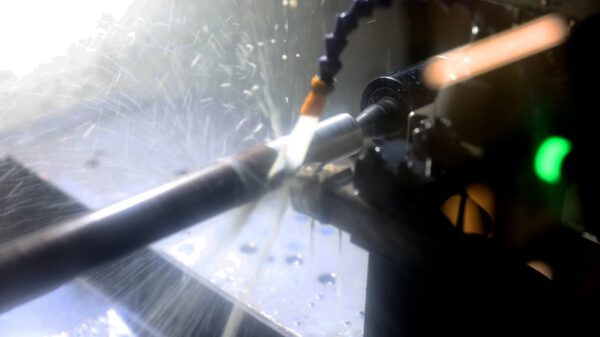
Unable to find commercial machines that met their precision needs, Carbon Six built their own proprietary wrapping machines using custom spring-loaded tensioning mechanisms. Once wrapped under precise tension, the barrels are cured in an oven where the resin liquefies and locks into the crosshatch matrix. Excess carbon is removed using specialized diamond cutting wheels, followed by a thin, technical top-coat and precision lathe sanding to achieve a flawless finish.
Precision Benchmarks & Real-World Results
So, what kind of precision can shooters expect from a Carbon Six barrel?
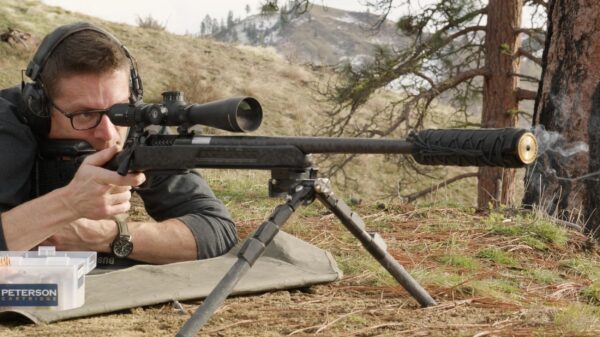
Button-rifled barrels consistently shoot 0.5-inch groups and under.
New ECM (Electrochemical Cut) barrels deliver even tighter performance, shooting under 0.25 inches (in the “twos”).

During extreme testing in Texas—firing 100 rounds straight through targets out to 1 mile across multiple shooters—Carbon Six barrels maintained an 81% hit rate at 1 mile without shifting POI.
Choosing the Right Contour for a Hunting Rifle
When pairing a carbon barrel with a popular baseline cartridge like the 6.5 Creedmoor or 7mm PRC, contour selection is crucial for balancing weight and rigidity.
Lightweight contours offer minimal actual weight savings over standard profiles and are generally less popular. Ron recommends the Cindereo contour as the sweet spot for a mobile hunting rifle, while the slightly heavier Magnum contour is ideal for fixed-position or bench hunting. While 26″ to 28″ barrels were once the norm, modern shooters are comfortably moving down to 20″ to 22″ lengths—especially when paired with a suppressor—without sacrificing the velocity or energy needed for ethical hunting.
Conclusion
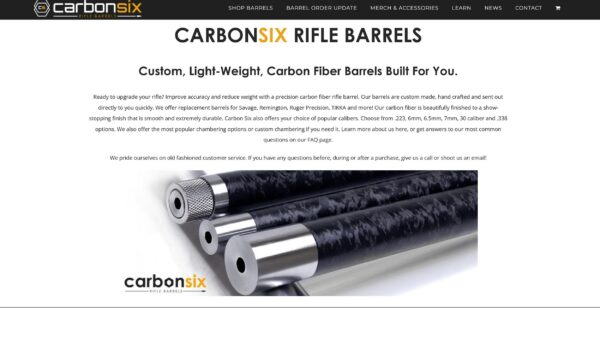
Learning more about Carbon Six was fascinating. I’ve included a recap of the conversion in this article, but I invite you to watch the full video for even more information!
Get the Gear
Don’t miss out on Ultimate Reloader updates, make sure you’re subscribed!
Thanks,
Gavin Gear
About the author