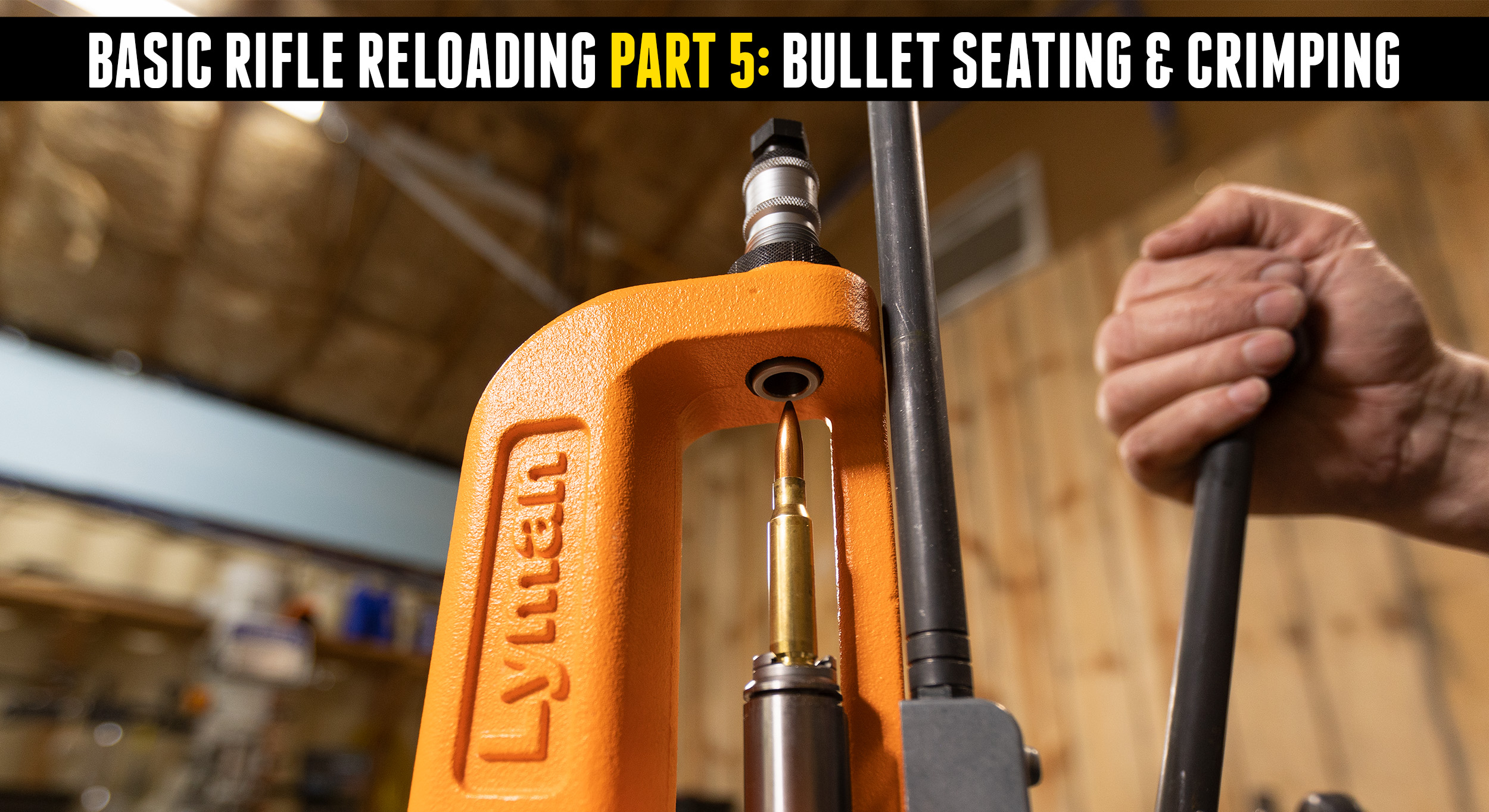
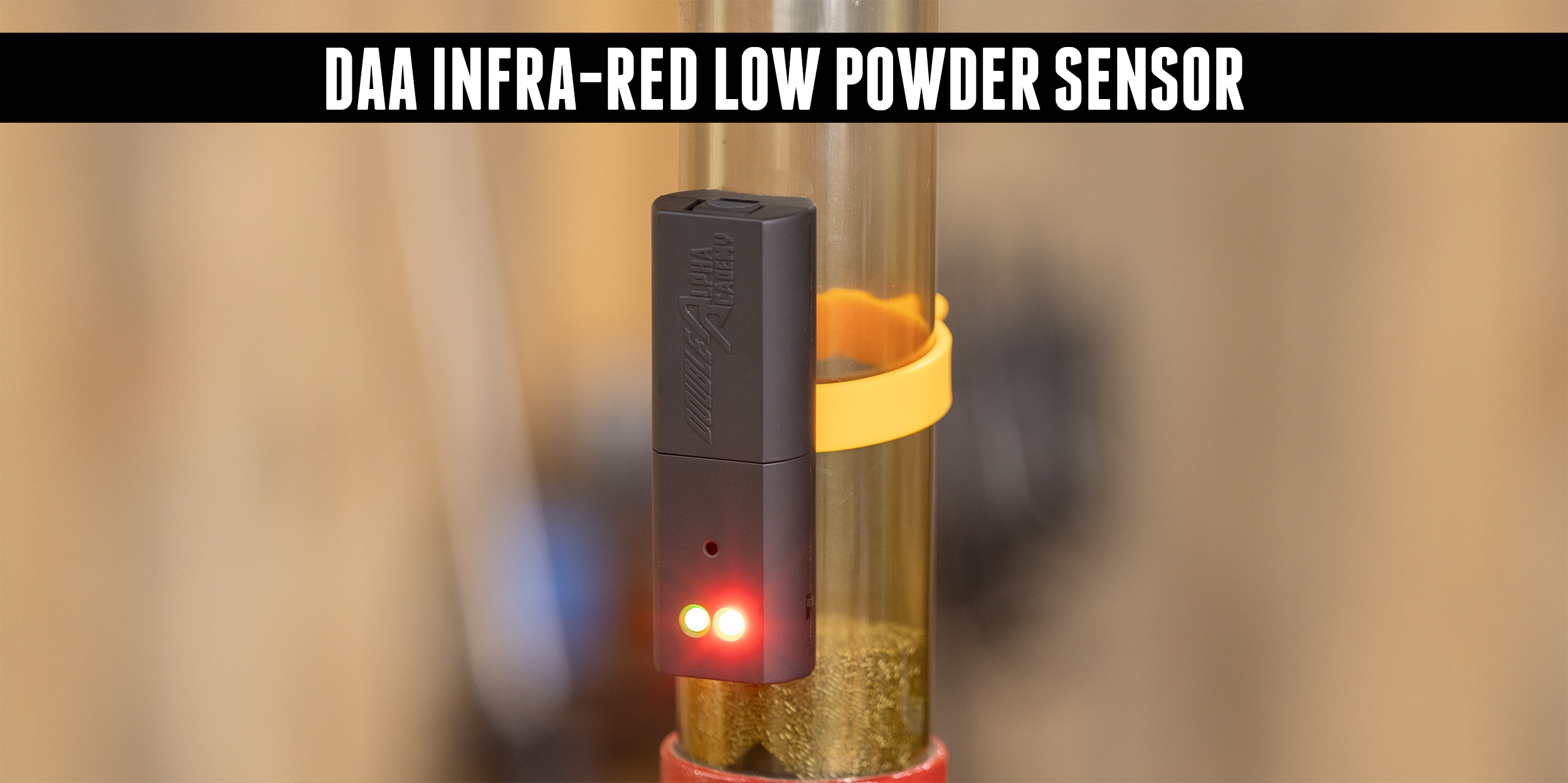
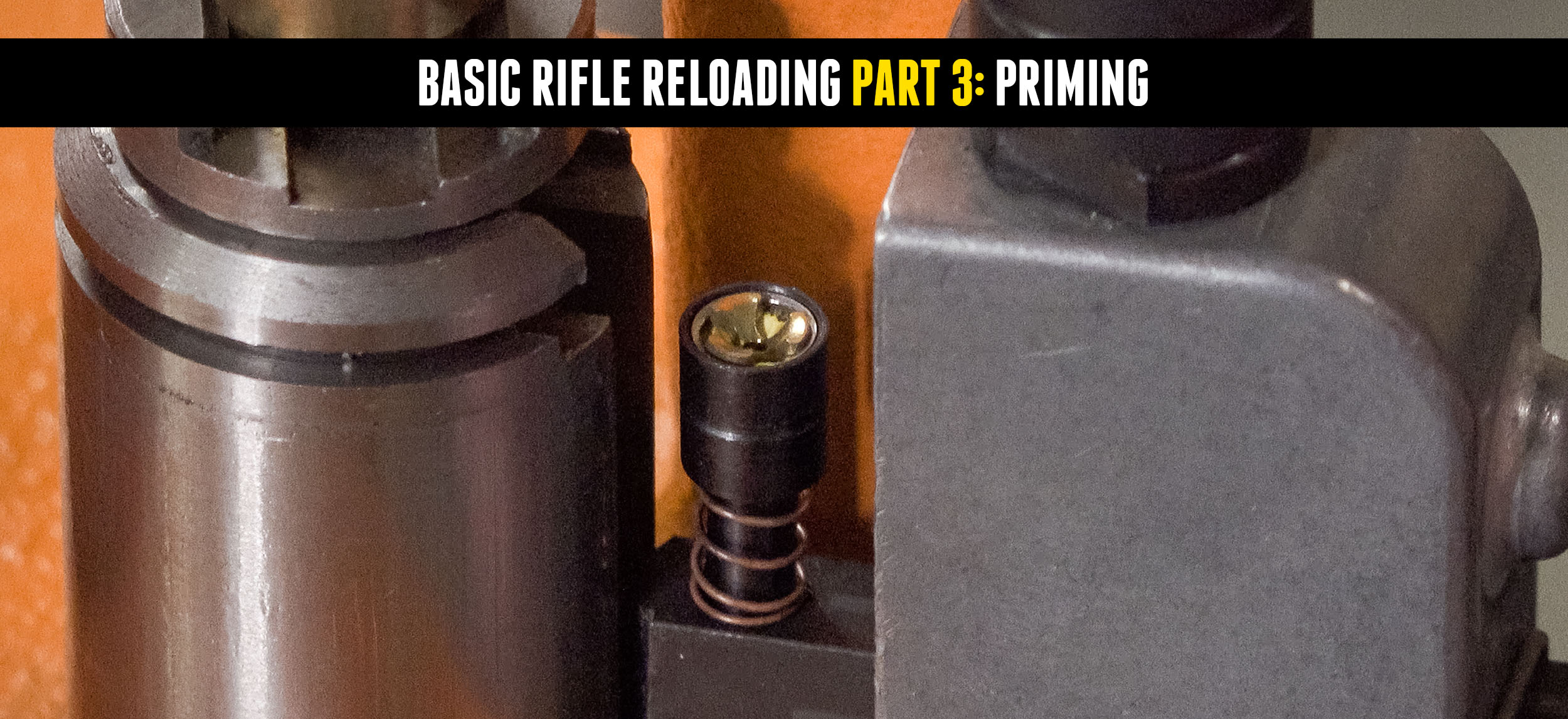
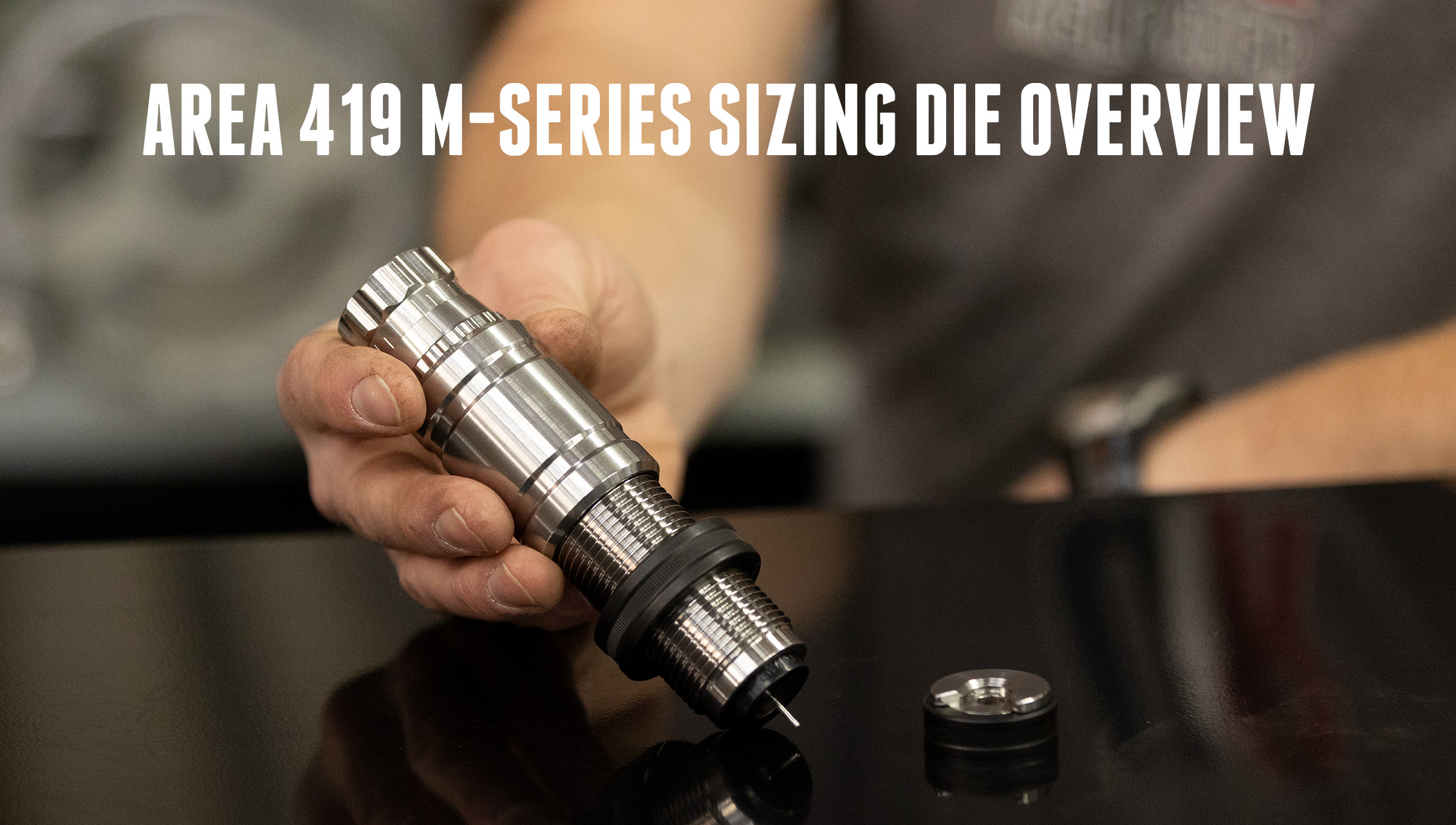
In my last video, I covered priming and charging cases, see AR-308 – Precision Loading Pt. 3 – Priming and Charging Cases. Now we need to seat bullets, and also check/correct for concentricity of the bullet. If we have a consistent charge, a benchrest primer, consistent case neck thickness, and a properly/optimally seated bullet, we’re […]
Tag: Tactical
AR-308 – Precision Loading Pt. 3 – Priming and Charging Cases
In my last post, I walked through the process of using the Redding Case Neck Gage to sort our 7.62×51 (Military 308 Winchester) brass into buckets based on both thickness and uniformity. Below is a picture showing the distribution. The numbers I’m using here (0.016″ +/- .0005″ for example) reference the total variation in thickness, […]
AR-308 – Precision Loading Pt. 2 – Case Neck Thickness and Uniformity
Now that we’ve cleaned, sized, trimmed, and finished the basis brass prep steps, it’s time to sort the brass that we’ve prepped so that we can uses batches of consistent brass for precision loads. We are now at the final stage of brass prep as covered in the brass prep overview post. For this stage, […]
AR-308 – Precision Loading Pt. 1 – Case sizing and trimming
It’s time to start loading some precision 308 Winchester ammo for the LR-308 project! Our rifle is all tuned up and tricked out, and now we need some capable ammunition to shoot. In this video, I’ll walk through the process of validating sizing die setup with the new Redding Instant Indicator, and we’ll see how […]
AR-308 – Millett TRS-1 Scope Install
Following up on the last post covering the Millett Tactical TRS-1 scope, in this video I’ll cover the mounting procedure for this scope using a pair of Millett tactical scope rings (medium height). I’ll also demonstrate the use of the Wheeler Engineering Firearms Accurizing Torque (FAT) wrench. This is a simple scope mounting procedure where […]
AR-308 – Millett TRS-1 Scope Specifications and Details
In my last post, we took a look at the features and overall fit/finish for the Millett TRS-1 tactical scope. In this post, we’ll get into more details and look at the specs for this scope. When you purchase the Millett TRS-1 scope, you get the following: Scope Dust caps (for objective and eyepiece) – […]
AR-308 – Millett TRS-1 4-16x50mm Scope Overview
One of the most important components of a good long range rifle is the scope. It goes without saying that a scope must hold zero in order for a rifle to shoot tight groups. The quality of the optics, the repeatability and accuracy of the windage/elevation adjustments, and other factors also play a key role […]
Loadmaster Loading .223 – 5.56 NATO
In this video, you’ll see how to load .223 / 5.56 NATO ammunition for your AR-15 or other rifle with the Lee Loadmaster progressive reloading press. You’ll see die placement, press setup overview, and progressive reloading operation. Stay tuned! We’re going to be covering more Lee Loadmaster reloading here on Ultimate Reloader!